
Last updated November 14, 2026
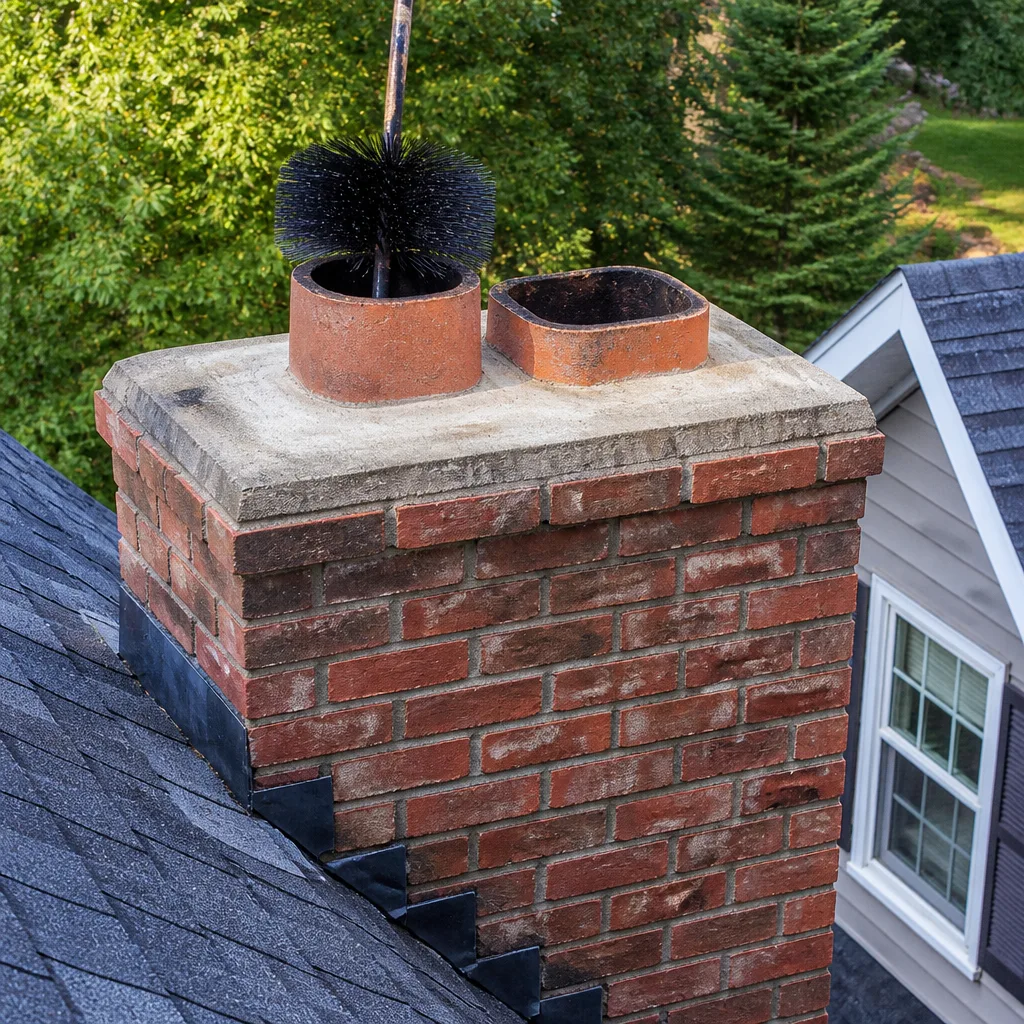 Sweep & inspection
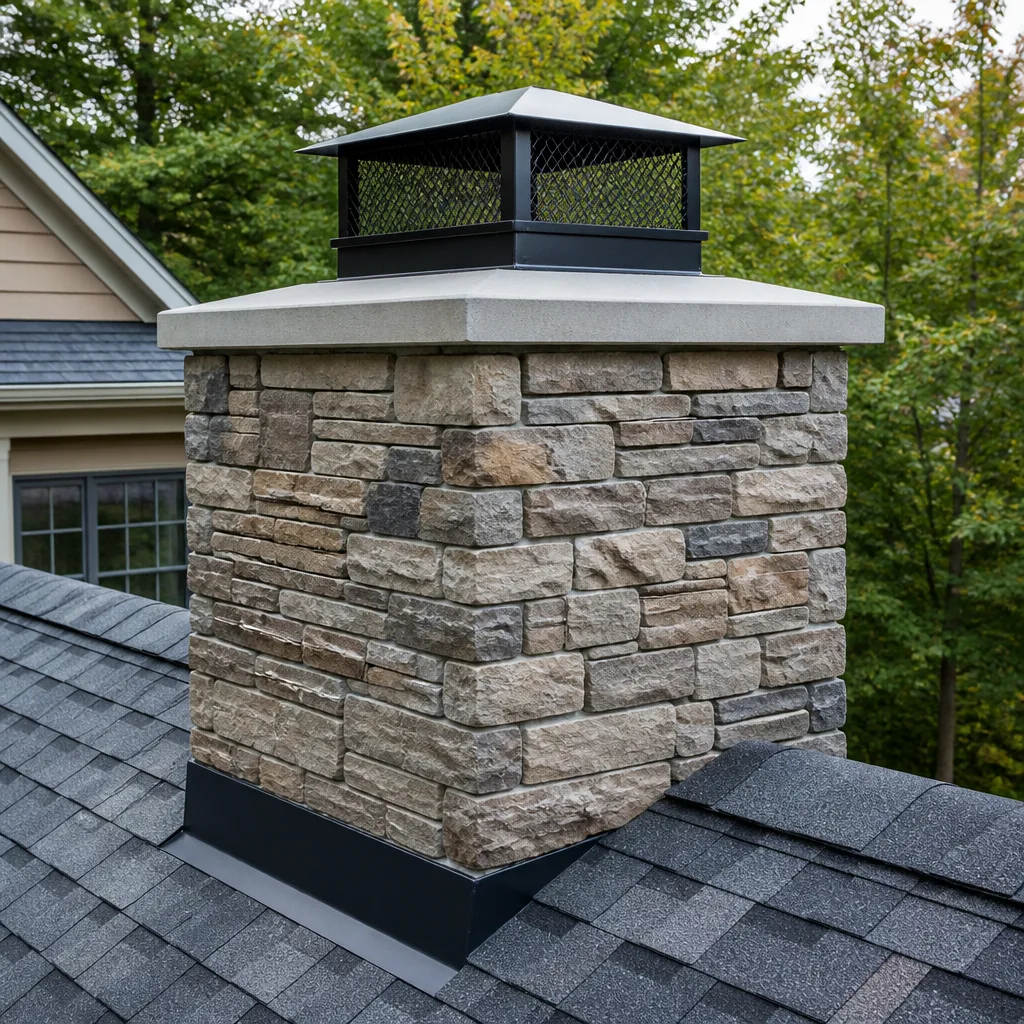 Caps & crowns
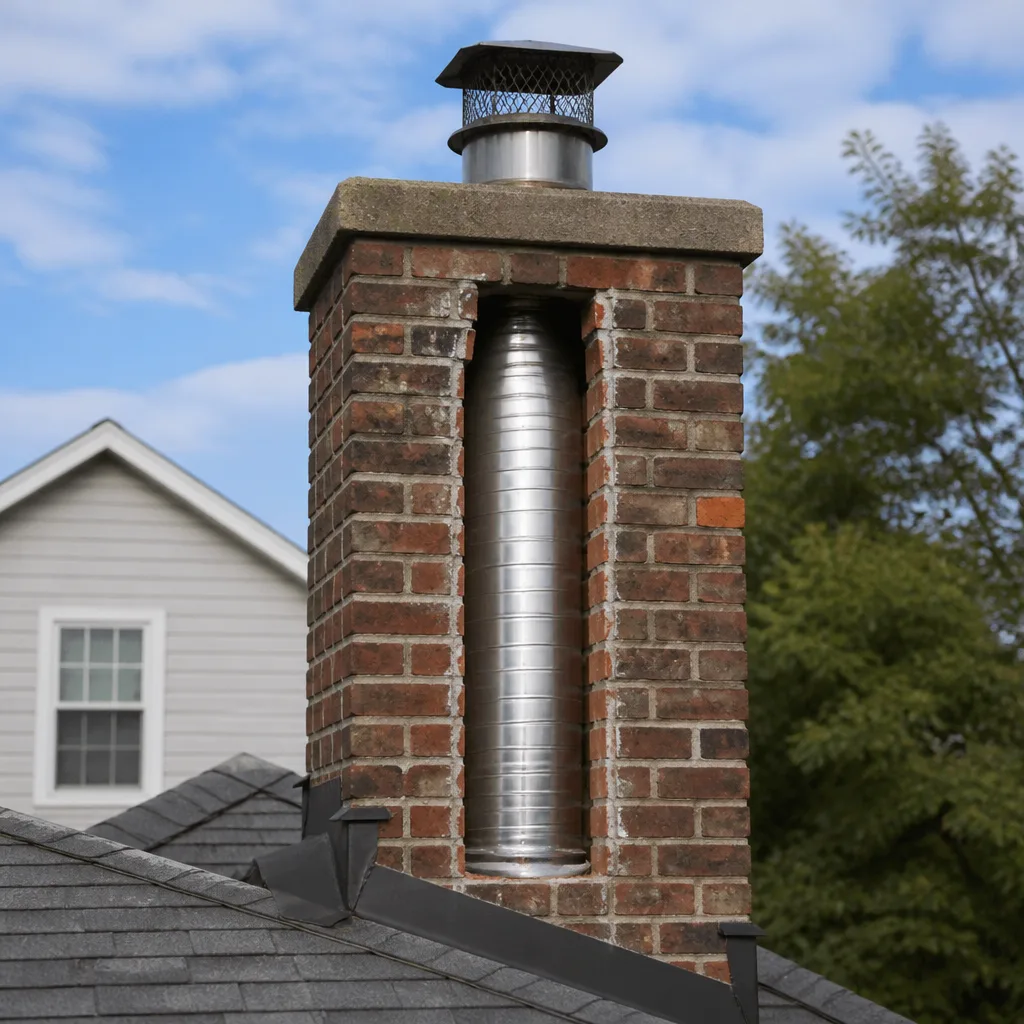 Flue relining
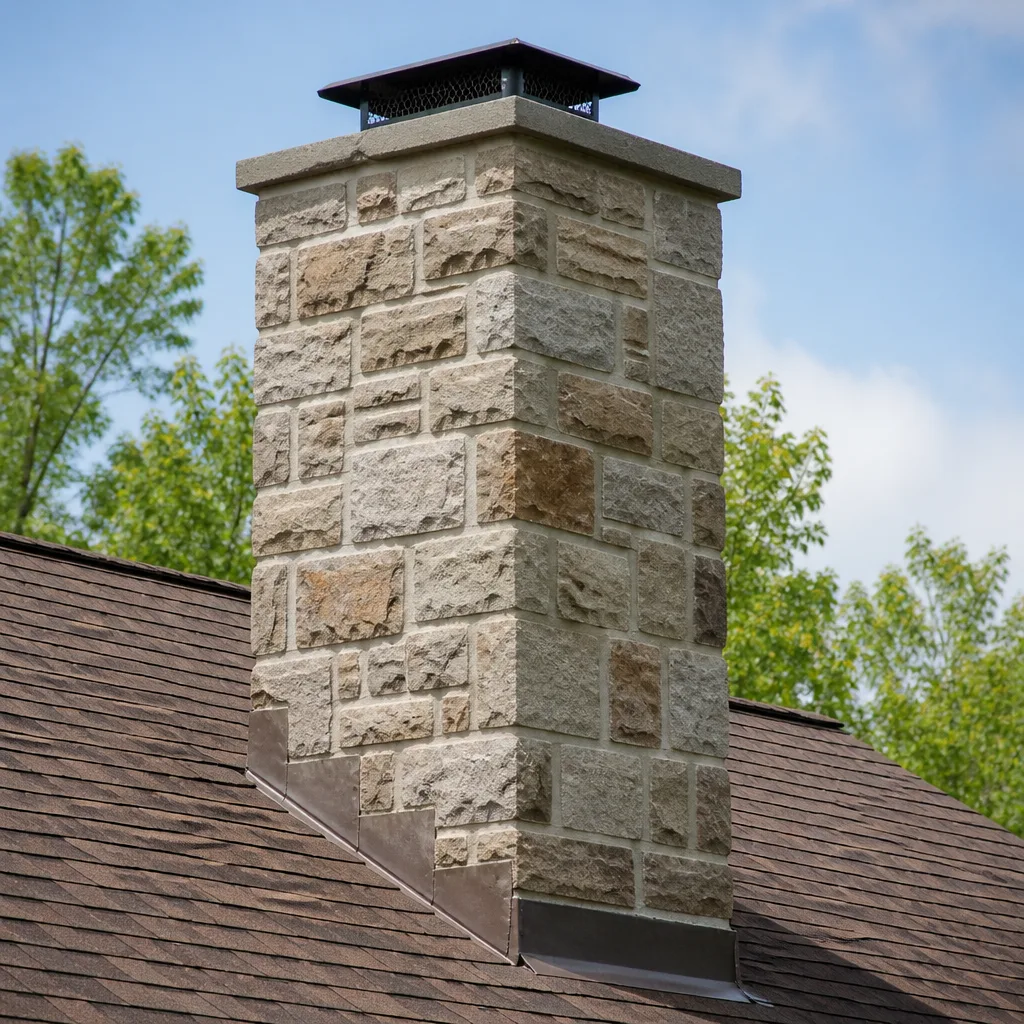 Masonry repair
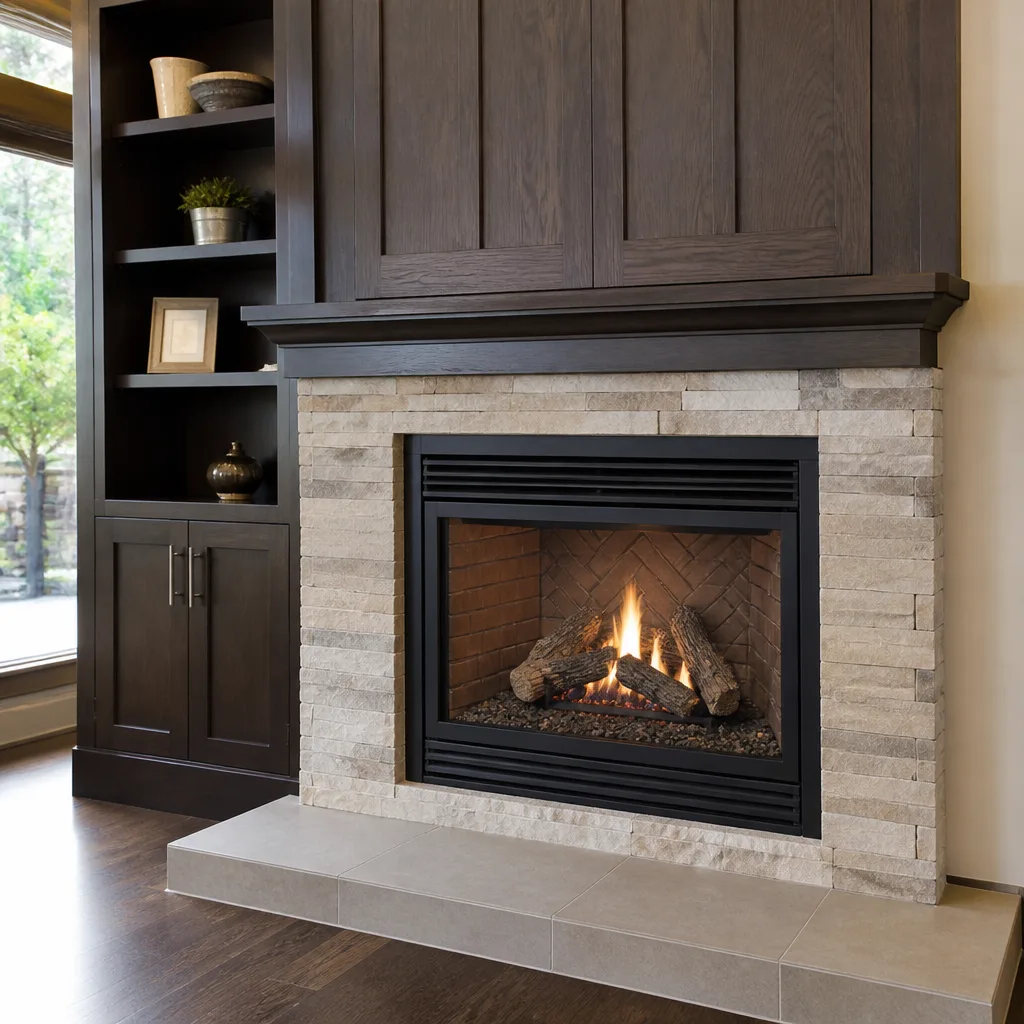 Gas fireplace service
Level 1 sweep and inspection to the NFPA 211 annual standard - flue, crown, cap, and flashing checked and photographed
Chimney sweep logs do not sweep chimneys. They loosen some creosote - which then falls where a brush and vacuum still have to collect it.
How to Hire a Chimney Cleaning Contractor in Garland: A Step-by-Step Guide
Most homeowners pick a chimney sweep the way they pick a pizza place: whoever shows up first on the search results or hands them the lowest coupon. That works fine until the sweep finds a cracked flue liner, tells you it’s urgent, and quietly admits he doesn’t do repairs. Now you’re booking a second company, hoping they see the same problem, and wondering if the first guy was right. Here’s the thing worth knowing before you dial anyone in Garland: a CSIA certification is earned by passing a written exam and documenting sweeps. It doesn’t prove a technician has ever installed a liner, rebuilt a crown, or resurfaced a flue with a product like HeatShield. What it proves is that someone studied. What you actually need to know is whether the person climbing onto your roof can fix what he finds. This guide walks you through the questions to ask, the estimate to demand, and the review patterns that separate a repair-capable sweep from a brush-and-run operation.
Quick Answer
To hire a chimney cleaning contractor in Garland, verify repair capability, not just cleaning credentials: ask whether the company installs flue liners itself, what brands it carries, and whether its insurance includes more than general liability. Demand a written estimate that lists scope and materials before anyone climbs on your roof. Then check reviews for complaints about aggressive upsells. The full vetting process takes about twenty minutes and saves you from booking a sweep who can’t finish the job.
Styles & brands we work with
- Sweep & inspection
- Caps & crowns
- Flue relining
- Masonry repair
- Gas fireplace service
Table of Contents
- What Separates a Full-Service Chimney Company From a Cleaning-Only Sweep
- The 7 Questions to Ask Before You Book
- What a Legitimate Estimate Includes in Garland
- How to Verify Insurance (And Why General Liability Isn’t Enough)
- Reading Reviews Like a Home Inspector
- Why the Cheapest Quote Often Costs More
- What Garland Chimneys Actually Face
- What a Proper Sweep Looks Like, Step by Step
What Separates a Full-Service Chimney Company From a Cleaning-Only Sweep
The chimney trade splits roughly in two. On one side are sweep-only operations: they arrive with brushes and a vacuum, clear creosote, hand you a receipt, and leave. On the other are full-service companies that carry the parts and material to actually resolve a problem the same visit or shortly after. The gap matters most in older Garland neighborhoods where homes have seen decades of fireplace use. A sweep who finds a deteriorating flue liner and has to refer you out is telling you, in effect, that the inspection stopped at the diagnosis. You’ll pay someone else to open the same access panel and confirm what the first guy saw.
Full-service capability looks like this in practice:
- Liner systems stocked and installed in-house, such as DuraFlex stainless steel liners sized to the appliance
- Resurfacing and crown restoration, including HeatShield application for flues that are cracked but not yet failing structurally
- Rebuild-level masonry and mortar repair alongside routine cleaning
- Professional-trade materials, not hardware-store components. Companies working at this level stock brands like Olympia Chimney and Gelco because the trade uses them on real installations, not just catalog pages
- Diagnosis and repair from the same crew, so nothing gets handed to an unknown subcontractor
That last point is where Dayspring Chimney Sweep sits. We carry the parts, not just the brushes, which means when we spot a problem, we can explain it, price it, and fix it without a referral. That’s the difference between a cleaning visit and a service call that leaves your chimney in safe operating condition. If you want a baseline read on what the standard service involves, our chimney sweep page covers the fundamentals.
The 7 Questions to Ask Before You Book
Ask these over the phone, before anyone puts a ladder on your roof. A company that can answer them clearly is telling you something about how it operates. A company that dodges or gives vague answers is telling you something too.
- “Do you install flue liners yourself, or do you subcontract?” You want to hear “we install” plus a brand name. If the answer is “we refer that out,” you’re hiring a cleaning company.
- “What repair work do you handle in-house?” Crown repair, mortar joints, firebox panels, damper work. If the answer is only cleaning, you know the scope.
- “Do you use a camera during the inspection?” A louvered or video inspection shows the flue interior from the top down. A sweep working blind from a flashlight is guessing.
- “What does your insurance cover?” Ask for the certificate. General liability alone isn’t sufficient for chimney work (more on this below).
- “Will I get a written estimate before any repair work begins?” Not a verbal range. A document with scope and materials listed.
- “Do you clean dryer vents as well?” This one catches people off guard, but lint accumulation is a real fire hazard, and a company that handles both systems in one visit saves you a booking.
- “Are you certified, and by whom?” This matters, just not the way most homeowners think. Certification confirms training in sweep practice. Combine it with the repair questions above to get the full picture.
To understand how a proper Garland appointment runs from the customer’s side, our Garland service overview explains what to expect. The right company should sound comfortable answering every one of these without hesitation.
What a Legitimate Estimate Includes in Garland
A real estimate is a document, not a number shouted from your roofline. Whether you’re getting a quote for a routine cleaning or a repair, the estimate should spell out what gets done and with what, and what circumstances would change the total.
For a cleaning appointment, you should see:
- Scope of work: chimney flue, fireplace box, damper, smoke chamber, as applicable
- Method: roto-brush and vacuum containment, camera inspection included or itemized
- Any additional charges explained up front, such as access needs or a creosote level that requires extra handling
For a repair estimate, demand more detail:
- Materials specified by brand. A liner quote should name the brand and type, like DuraFlex or Olympia Chimney. Resurfacing should reference HeatShield. “High-quality liner” tells you nothing
- Scope per component. A crown repair is a different line item than a flue resurfacing
- What triggers additional charges. Some jobs reveal hidden damage once the flue is clean. A good company names the likely range and describes the condition in advance
- Photo documentation. Before and after photos, plus camera imagery of the flue interior, should come with the report
If a contractor won’t put the estimate in writing, that’s the first red flag. If the prices are given in round numbers from memory rather than a structured quote, that’s the second. When it comes to the cleaning itself, the honest estimate comes before the ladder goes up, and it matches what you’re actually being charged.
How to Verify Insurance (And Why General Liability Isn’t Enough)
This is the step most homeowners skip, and it’s the one that can matter most. A contractor’s insurance certificate should show two coverage types for chimney work: general liability and workers’ compensation. Why both? General liability covers damage to your home, like a dropped brush breaking tile or a breached flue causing water damage. It doesn’t cover injury to the technician on your roof or in your attic.
Workers’ compensation is what protects you from liability if someone is injured while working at your house. Without it, an injury on your property can come back to you. Here’s how to verify:
- Ask for a certificate of insurance before booking, not on the day of service
- Confirm general liability is active and the policy period covers the service date
- Confirm workers’ compensation is listed for chimney or general contracting classification
- Call the insurance carrier’s verification line printed on the certificate if you want to be thorough
- Ask whether the company uses subcontractors. If so, those subs should carry their own coverage, or the primary company’s policy should list them
This isn’t paranoia. It’s the same due diligence a responsible contractor would do before letting someone work on their own home. A company that keeps its paperwork straight and answers these questions plainly is signaling how it operates across the board.
Reading Reviews Like a Home Inspector
Online reviews are useful, just not for their star averages. Averages get gamed. The content of the reviews and the pattern of the complaints are what tell you who you’re dealing with. Read them the way an inspector reads a foundation: looking for patterns, not single impressions.
Red flags pointing to a sweep who cleans fast and upsells hard:
- Reviews mentioning a repair recommendation that “came out of nowhere” on a house that passed inspection recently
- Multiple complaints about a technician being on site for ten or fifteen minutes and leaving
- Reviews that mention “they tried to sell me” more than once
- Price complaints of the type that suggest the original quote was low and the bill was higher
- Reviews where the customer describes a recommendation with no photo or camera evidence attached
Patterns pointing to honest documentation:
- Reviews that describe being shown photos of the flue or the creosote buildup
- Complaints that the sweep recommended a fix but explained why it could safely wait
- Reviews from repeat customers across multiple years
- Mentions of specific brand materials or system components
- Descriptors like “thorough” and “showed me” rather than “quick” and “no mess”
Read the three-star reviews first. They usually sit closest to the truth. If the company responds thoughtfully, that’s a useful signal too.
Why the Cheapest Quote Often Costs More
You’ve probably seen the coupon. Fifty-nine dollars for a chimney sweep looks like a steal. Here’s what happens on those calls more often than anyone likes to admit: the sweep arrives, runs a brush through fast, and then comes down the ladder with a concerned face and a recommendation for three hundred or a thousand dollars of repair work. The low cleaning price isn’t the price of the service. It’s the price of getting someone onto your roof to walk you into a repair conversation you weren’t ready for.
Some of those repair recommendations are legitimate. Many aren’t. The honest version of a pricing conversation goes like this:
- A fair cleaning price reflects the scope, the method, and the inspection included
- Any repair recommendation comes with camera imagery or photo evidence you can look at yourself
- A written estimate specifies exactly what gets done, with what materials, before any work begins
- You’re told when a repair can safely wait, and what to watch for in the meantime
When you’re comparing quotes, ask each company to name the materials they’d use on a repair. A company that can only clean will not have names for you. A company like Dayspring Chimney Sweep stocks and installs professional-brand liners and resurfacing materials, which means the price you’re quoted reflects an actual line-item cost, not an opening offer. Our team has worked in Garland since 2016, and we’ve seen this pattern play out often enough that we walk customers through it before booking.
If drying vent cleaning is on your list too, the same logic applies. The dryer vent cleaning service should be quoted as the fire-safety maintenance it is, not as an add-on upsell once the technician is already on site.
What Garland Chimneys Actually Face
Garland sits in North Texas where winters are mild. That shapes how chimneys here age, and it’s worth understanding before you book a service. A mild winter means most households burn less total wood than they would up north, but it also means the fireplaces can sit idle for long stretches and then get heavy use during the cold snaps. Creosote builds unevenly in that pattern. Some flues will look fine after a season; others accumulate glazed, hardened creosote that’s harder to brush out cleanly and more flammable when it ignites.
Other factors specific to the Garland area:
- Homes in established neighborhoods like Duck Creek, Club Hill, and the areas around the downtown square were often built mid-century. Masonry chimneys of that era commonly show mortar joint wear and crown cracking as they age
- Clay tile liners, standard in past decades, crack over time. A cracked tile liner leaves the surrounding masonry exposed to corrosive gases from flue exhaust
- Drought cycles and heavy rain seasons alternate, stressing masonry through moisture cycling rather than a hard freeze
- Attic and exterior dryer vent runs are often long or heavily elbowed, which traps lint faster than short straight runs
This is why the inspection matters as much as the cleaning. When we visit a home in Garland, we’re looking at the flue interior, the crown, the firebox, and the dryer vent in one visit where possible, so you don’t have to piece together separate reports from separate tradespeople. Dayspring Chimney Sweep is a full-service venting specialist, not a cleaning-only sweep. That’s the difference between getting the brush and getting the whole system checked.
What a Proper Sweep Looks Like, Step by Step
Knowing the sequence helps you spot when something is missing. A legitimate chimney service in Garland follows roughly these stages:
- Pre-appointment questions. You should be asked about the fireplace type (wood, gas, insert, wood stove), last cleaning date, and any current issues like smoke backdraft or odors
- Protect the work area. Drop cloths, vacuum containment, and shoe covers around the fireplace opening
- Inspect before cleaning. A flashlight or camera inspection of the firebox, damper, smoke chamber, and flue before the brush goes up
- Sweep the flue. Roto-brush or traditional brush method, sized to the flue interior, with vacuum running throughout
- Clean the firebox, damper, and smoke shelf. The firebreak components get attention independently
- Camera inspection of the full flue. Video or louvered inspection from the top down, with imagery you get to keep
- Dryer vent check if requested. A company that handles both systems can clean and inspect the dryer vent in the same appointment
- Written report with findings and photos. Any repair recommendation accompanied by visual evidence
- Written estimate for any recommended repairs. Scope, materials by brand, and the line-item price
- Explanation of what can wait. The sweep should tell you plainly when a repair is not urgent
If a company skips steps three, six, or eight, ask why. Those are the ones that produce documentation you can hold onto, and they’re the ones a sweep-only operation is most likely to skip. When you call (855) 974-6812 to book with us, the sequence above is what you’re getting. We answer 24/7, and dispatch runs from 7am to 7pm, Sunday through Friday.
Common Mistakes to Avoid
- Choosing on price alone. The lowest quote is often from someone who plans to recommend repairs once they’re on the roof. Get the written estimate from at least two companies before deciding.
- Skipping the insurance question. General liability only covers damage to your home. Workers’ comp covers the technician. Ask for both certificates before booking.
- Accepting a verbal repair recommendation. In Garland homes with older clay tile liners, a “cracked liner” call without camera imagery is a red flag. Ask to see the photo or video.
- Booking a sweep-only company on a house with an unknown chimney history. Older Garland homes especially benefit from a full inspection and repair-capable crew in one visit.
- Forgetting the dryer vent. Lint accumulation is one of the leading home fire hazards, and it’s just as important as creosote. If the company you’re booking doesn’t handle it, you’ll need a second appointment.
- Assuming certification guarantees repair skill. CSIA certification confirms sweep training. Combined with the questions in this guide, it becomes meaningful. On its own, it’s not enough.
- Ignoring what you’re told can wait. If a sweep tells you a repair isn’t urgent, note it and follow up next season. Honest companies say this; selling companies don’t.
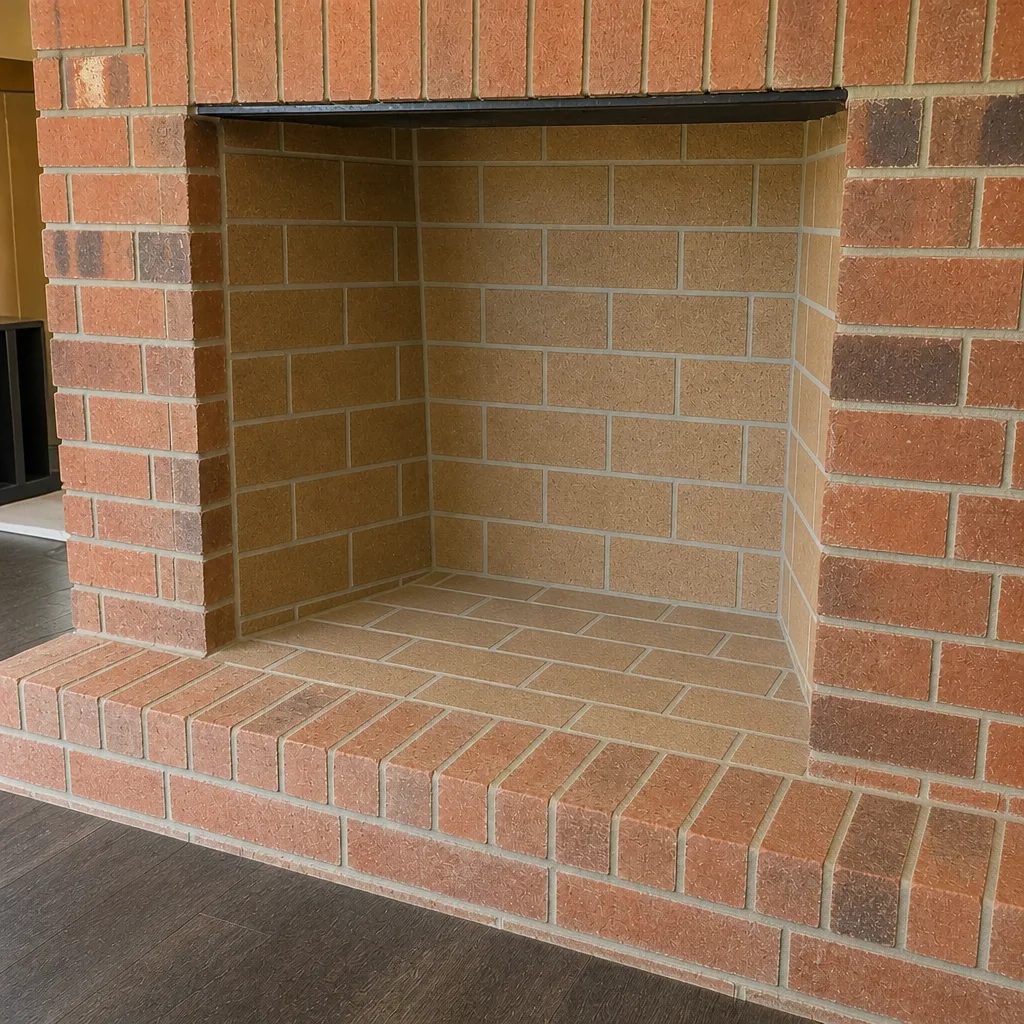
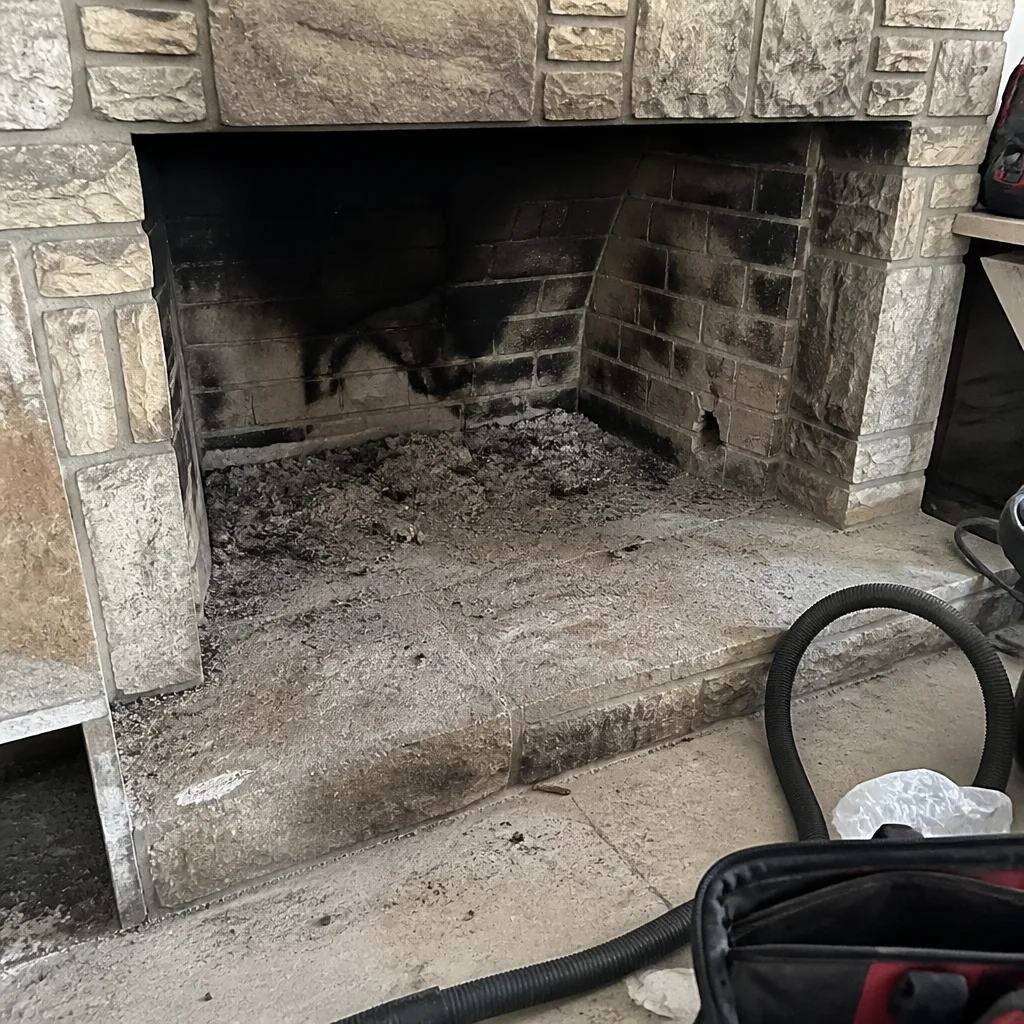
See the difference
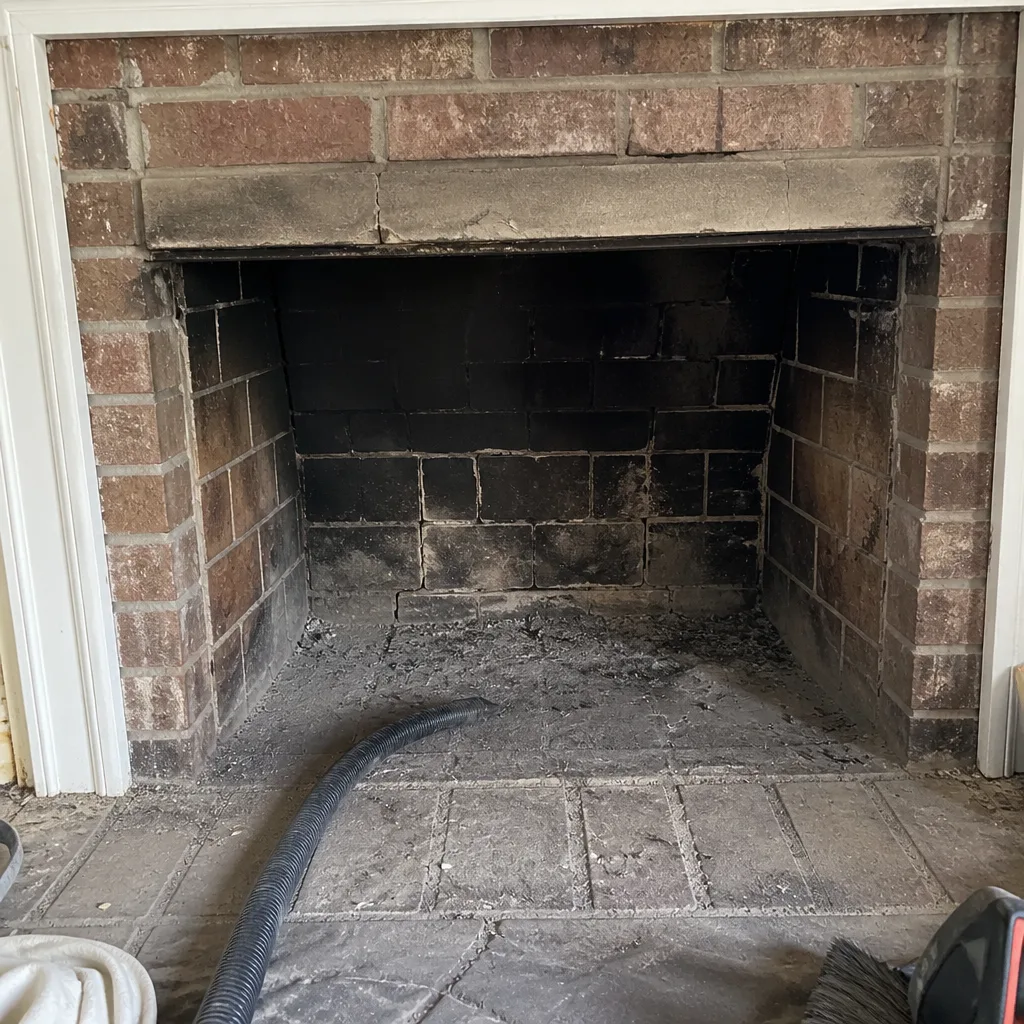 Before
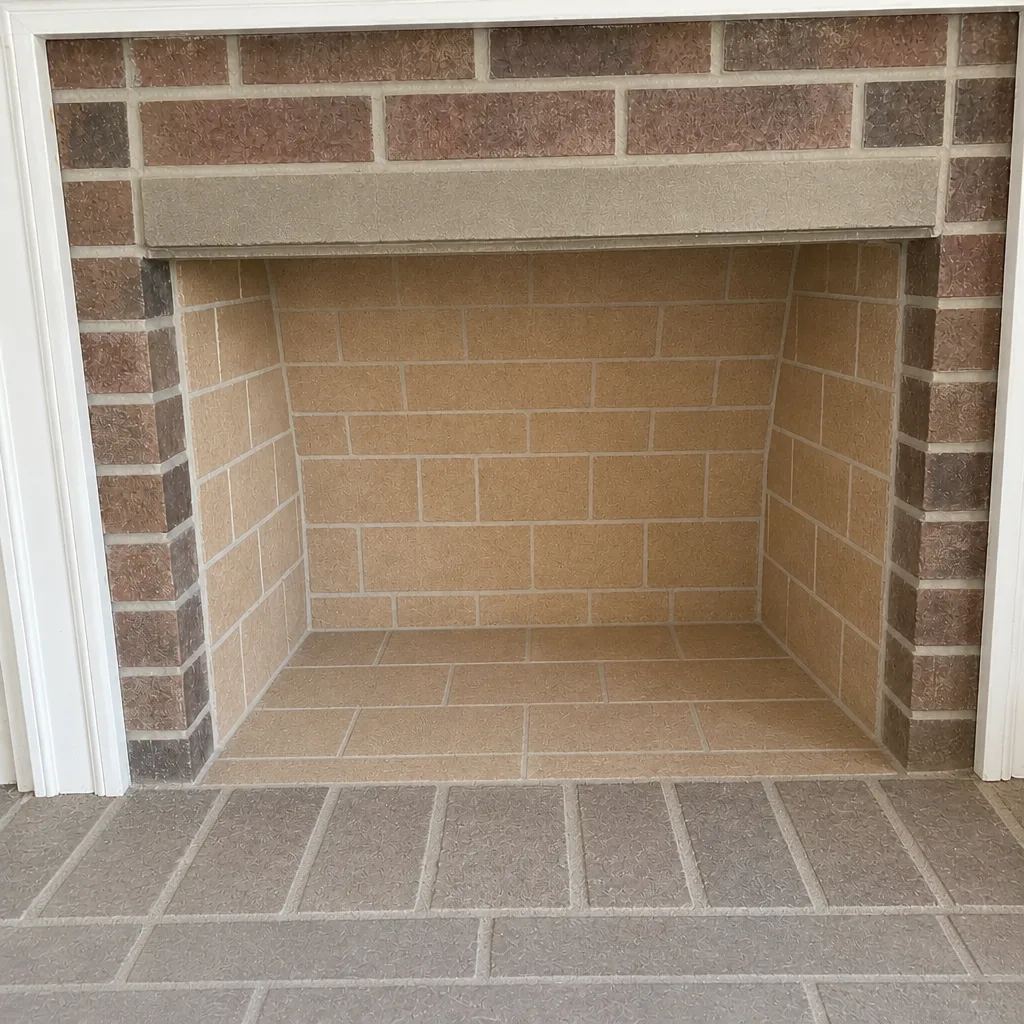 After
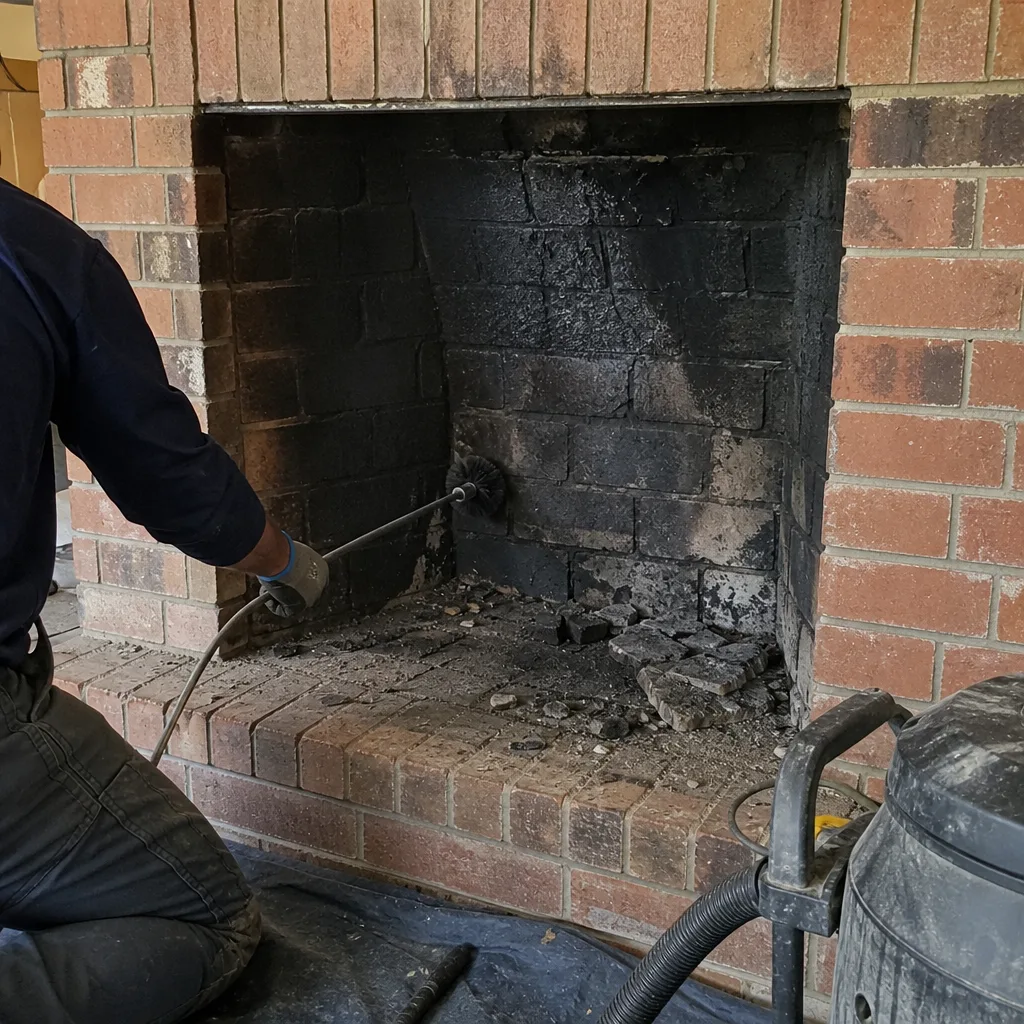 Before
 After
 Before
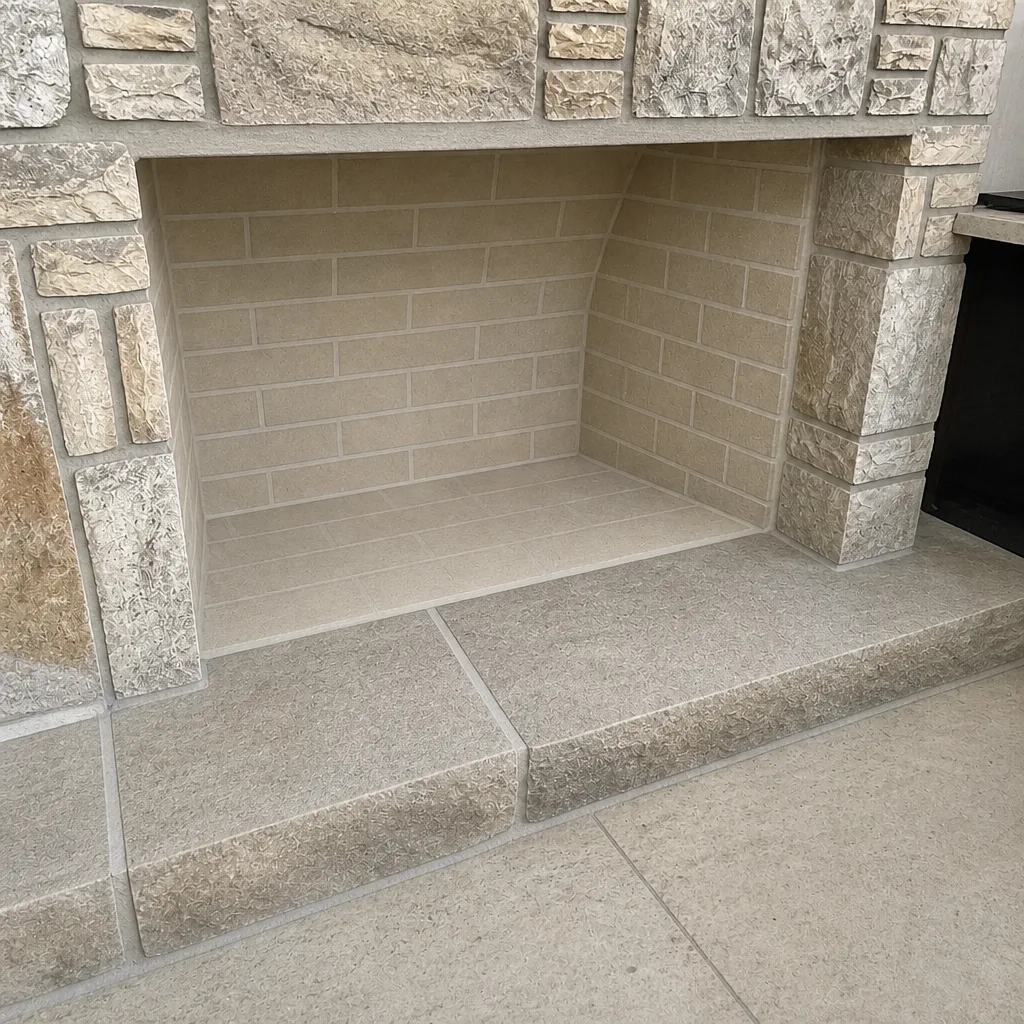 After
When to Call a Professional
Some signs are clearly “call a sweep now” and others are “watch for this.” The split matters because creosote and carbon monoxide are real hazards, but not every smell or puff of smoke means you need an emergency call.
Call us if any of these are true:
- You hear crackling in the flue during or after a fire, or smell a strong burned odor
- Smoke rolls back into the room when you light a fire, especially on a cold day
- You’re seeing visible creosote buildup on the flue walls above the firebox
- A carbon monoxide alarm sounds during or after fireplace use
- You hear birds, animals, or debris in the chimney
- You’ve just bought an older home and don’t know the service history
- It’s been more than a year since your last cleaning, or you’ve burned a full cord since the last one
For a carbon monoxide alarm or a fire already in progress, get out of the house and call 911 first. That’s not a chimney appointment; that’s an emergency.
Dayspring Chimney Sweep offers free estimates in Garland. Call (855) 974-6812 to schedule. We answer 24/7. Fast dispatch, 7am-7pm.
Frequently Asked Questions
Chimney sweeping in Garland is typically quoted per job, and a written estimate before the visit sets the final price. Pricing depends on the fireplace type, the creosote level, and whether an inspection is included. Call (855) 974-6812 for a free estimate. Estimates are free.
Certification matters, but it should be one part of your vetting, not the whole of it. CSIA certification confirms training in sweep practice, not in liner installation or Crown repair. Ask what repair work the company handles in-house and which brand materials they install before you book.
A crack should be documented with camera imagery or photos, and the company should walk you through what it saw. If the company can install its own liner, they quote the repair and schedule it. If they can’t, you’ll be handed a referral to another company. Ask about this in the pre-booking phone call.
Once a year is the general recommendation, and more often if you burn heavily or notice creosote accumulation. In North Texas where winters are mild, fires can sit idle for weeks and then get used heavily during cold snaps, which changes how creosote builds. If you’ve burned a full cord of wood since your last sweep, that’s the trigger regardless of the calendar.
Creosote accumulates on the flue walls with every fire. Once it reaches a certain thickness, it can ignite and start a chimney fire that reaches high temperatures inside the flue. The flue liner cracks under that heat, and the surrounding masonry becomes vulnerable. Regular sweeping keeps the buildup clear and lets an inspection catch problems before they compound. Call (855) 974-6812 to schedule a cleaning and a free estimate.
A full-service venting specialist can handle both in one appointment. That matters because lint in the dryer vent and creosote in the chimney are the two leading home fire hazards that venting services address. If you’re booking with a chimney sweep only, you’ll need a separate booking for the dryer vent.
General liability covers damage to your home during the service. It doesn’t cover injury to the technician working on your roof or in your attic. Ask for both general liability and workers’ compensation certificates before booking.
The Bottom Line
Hiring a chimney contractor in Garland comes down to a handful of questions and a written estimate. Verify repair capability, not just cleaning credentials. Ask whether the company installs its own liners and which trade brands it carries. Confirm both insurance certificates. Demand camera evidence for any repair recommendation and a written estimate that specifies materials. Watch for reviews that describe upselling behavior or appointments that felt rushed. Skip the $59 coupon and get two written quotes from companies that can actually fix what they find. If you want a crew that carries the parts, not just the brushes, we’ve been at this in Garland since 2016, and we’d be glad to take a look.
Dayspring Chimney Sweep has served Garland for 10 years with three core services: chimney sweeping, dryer vent cleaning, and chimney repair. Reach us at (855) 974-6812 for a free estimate. We answer 24/7. Fast dispatch from 7am to 7pm, Sunday through Friday.
Written by the team at Dayspring Chimney Sweep, serving Garland since 2016.