
Last updated November 14, 2026
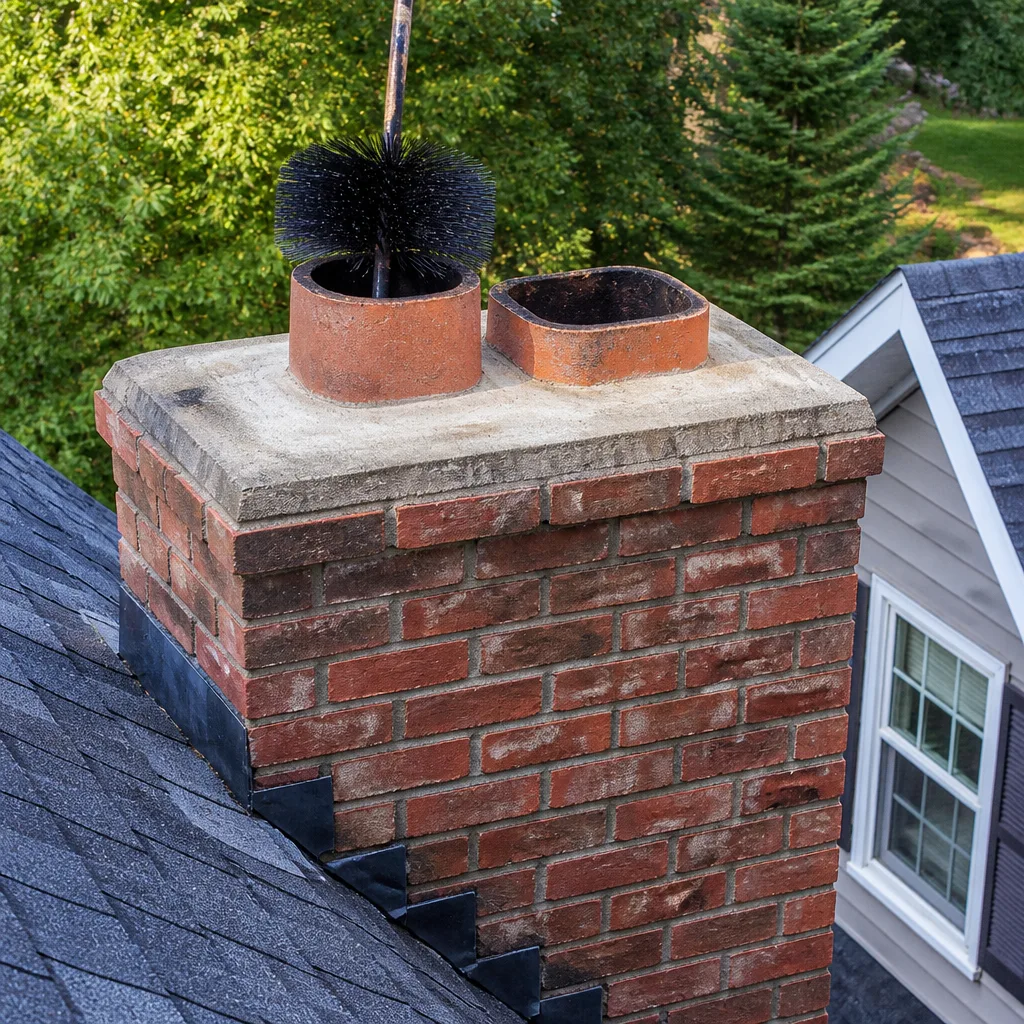 Sweep & inspection
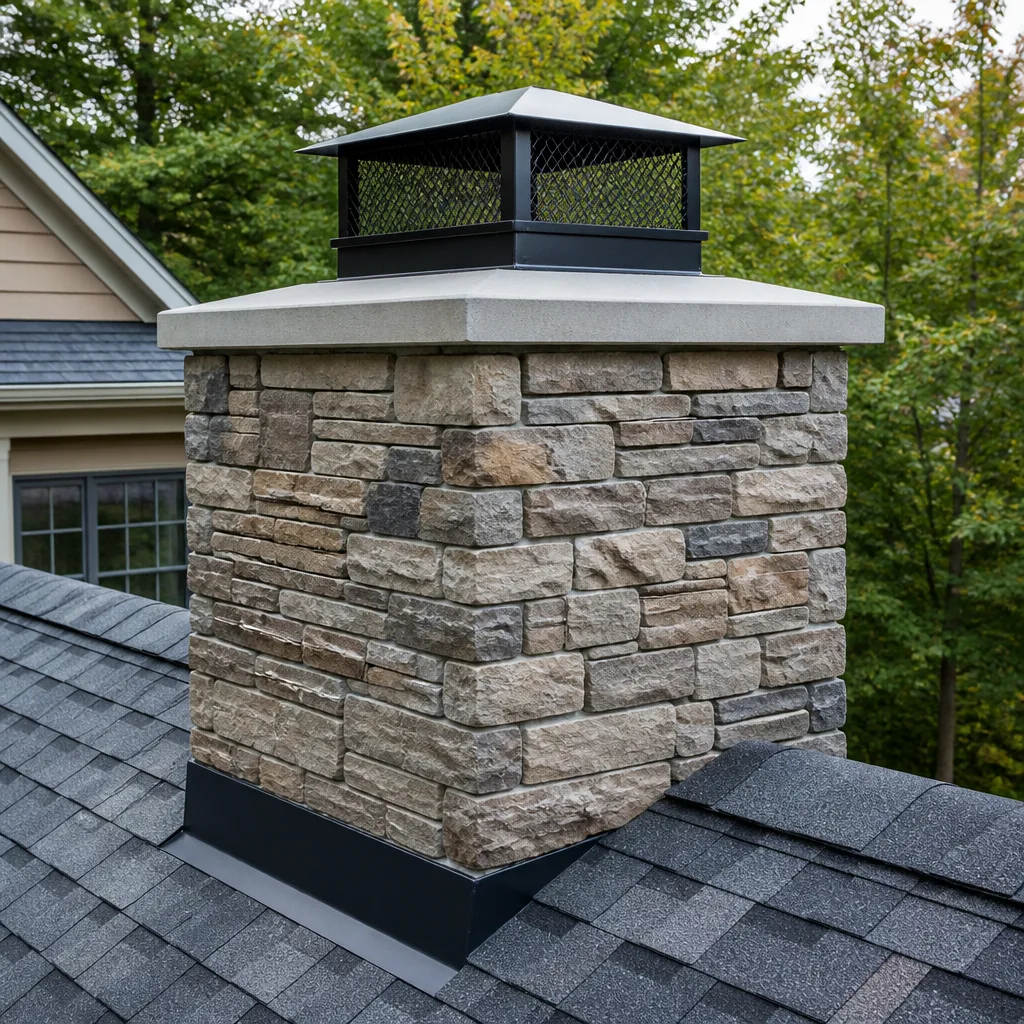 Caps & crowns
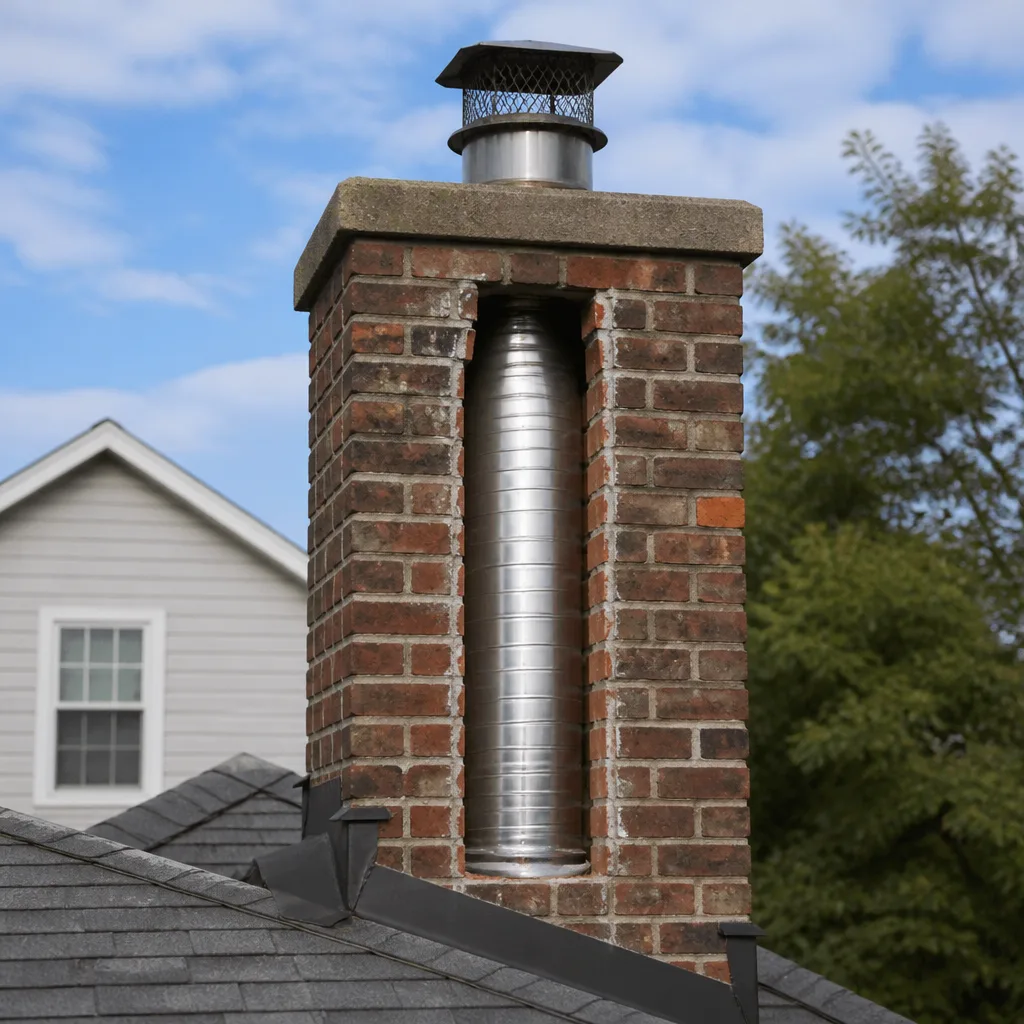 Flue relining
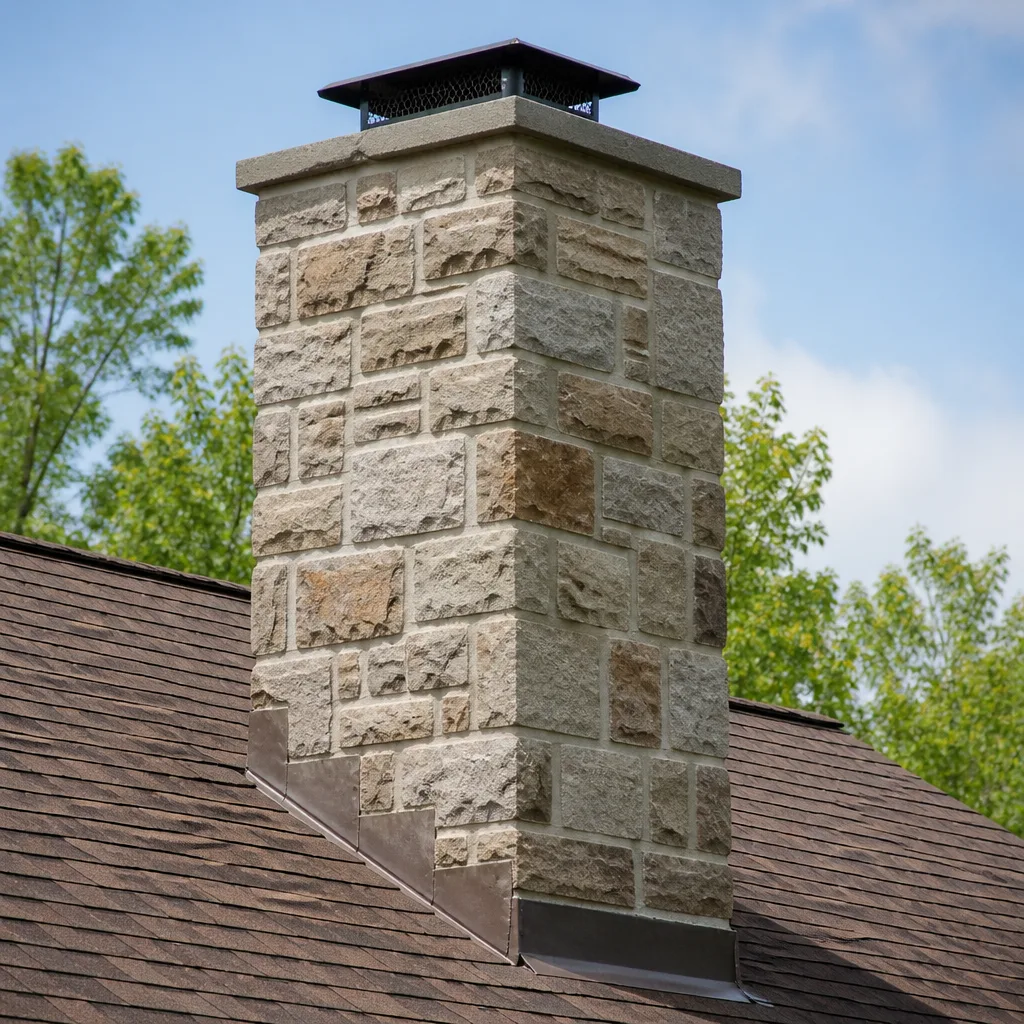 Masonry repair
 Gas fireplace service
Level 1 sweep and inspection to the NFPA 211 annual standard - flue, crown, cap, and flashing checked and photographed
Chimney sweep logs do not sweep chimneys. They loosen some creosote - which then falls where a brush and vacuum still have to collect it.
Chimney Cleaning Cost Breakdown: The Garland Homeowner’s Reference for 2026
The $99 chimney cleaning exists. It also excludes an inspection, doesn’t include a written report, and is performed by someone who doesn’t carry liner repair materials. That’s not a deal – it’s a different product. Most homeowners who feel overcharged after a sweep are comparing two things that were never the same service. In Garland, a real chimney cleaning runs a range because the work itself runs a range: flue height, creosote stage, liner type, and whether anyone actually looks at the inside of your chimney with a camera all move the number. This guide breaks down where every dollar goes so you can read a quote and know what you’re buying.
Quick Answer
Chimney cleaning in Garland typically costs $180 to $350 for a standard sweep with a Level 1 inspection, and $250 to $450 when a Level 2 camera inspection and written report are included. Heavy creosote removal, tall flues, and second-story rooflines push the top of that range, and repair add-ons like a cap or crown coat are quoted separately from the cleaning itself. The written estimate you receive on-site sets the final price.
Styles & brands we work with
- Sweep & inspection
- Caps & crowns
- Flue relining
- Masonry repair
- Gas fireplace service
Table of Contents
- What you’re actually paying for in a chimney cleaning
- The three scopes of work: cleaning only, cleaning plus Level 1, cleaning plus Level 2
- What drives price variation in Garland
- The three stages of creosote and how they change the price
- Repair add-ons that commonly follow a cleaning
- How to read a chimney quote
- Why we don’t recommend DIY chimney cleaning
- When to schedule in Garland
What you’re actually paying for in a chimney cleaning
A chimney cleaning price is really four prices bundled together, and most advertised numbers only cover the first one. When you understand the four pieces, the spread between quotes stops looking like markup and starts looking like a scope difference.
- Labor and setup. Protecting floors, laying drop cloths, running the brush from the roof or from the firebox, and containing the dust so it doesn’t end up in your living room.
- The sweep itself. Removing creosote and soot from the flue, smoke chamber, and firebox. This is the part every quote includes.
- Inspection. Looking at the flue, damper, cap, crown, and firebox to see whether the system is safe to use. A Level 1 inspection is visual; a Level 2 adds a camera run through the flue.
- Documentation. A written report with photos of what was found. This is what separates a professional visit from a brush-and-go.
The gap between a bargain quote and a thorough one is almost always items three and four. A sweep who cleans, glances up the flue, and leaves hasn’t inspected your chimney. They’ve cleaned it. Those are different jobs, and only one of them tells you whether your liner has a crack that could let heat reach framing.
At Dayspring Chimney Sweep, we carry the parts, not just the brushes. That matters at the moment a sweep finds something wrong. If a technician can only clean, the visit ends with a note on a report and a referral to a contractor you’ve never met. If the technician is repair-capable, the same company that spotted the problem can fix it, and the liner materials come from professional-trade names like DuraFlex rather than whatever the nearest hardware store stocks. That continuity is worth factoring into how you compare quotes. A cheap cleaning that requires a second company to come back and diagnose is rarely the cheaper path.
Ask any sweep you’re considering one question before you book: does the price include a written inspection report? The answer tells you which of the four items above you’re actually paying for.
The three scopes of work: cleaning only, cleaning plus Level 1, cleaning plus Level 2
Almost every chimney quote you’ll receive in Garland falls into one of three scopes, and the price difference between them tracks the amount of information you walk away with. Here’s how they break down.
Scope 1: Cleaning only
A sweep brushes the flue, removes soot and creosote, vacuums the firebox, and leaves. No written inspection, no camera, no report. This is the scope behind most very low advertised prices. It’s not dishonest, but it tells you nothing about the condition of the system. If your chimney was inspected recently and you simply need the creosote removed, this can be the right call. For most homes it isn’t enough on its own.
Scope 2: Cleaning plus Level 1 inspection
The sweep cleans the flue, then performs a visual inspection of all accessible parts of the chimney and venting system: the firebox, damper, smoke chamber, flue, cap, and crown. The technician notes anything that needs attention and gives you a written summary. Most routine annual service in Garland falls here. A Level 1 inspection is the right scope when your chimney setup hasn’t changed and you haven’t had a problem.
Scope 3: Cleaning plus Level 2 inspection with camera documentation
A Level 2 inspection adds a camera run through the flue so the technician can see the inside of the liner from top to bottom, including offsets and areas a visual look from the roof can’t reach. Photos go into a written report. This scope is appropriate after a chimney fire, after a change in fuel type or appliance, when you’ve bought a home and don’t know the chimney’s history, or when you’ve noticed a problem like smoke rollback or a strong odor. If you’ve recently bought an older home in Garland, start here. You can’t evaluate a chimney you can’t see inside of.
The three scopes stack. You’re not choosing between cleaning and inspection. You’re choosing how far the inspection goes, and how much of what it finds you get in writing. If you’d like to understand where a basic service sits in that structure, our chimney sweep page walks through what a standard visit covers.
What drives price variation in Garland
Two Garland homes with the same square footage and the same fireplace can get quotes that differ by a hundred dollars, and the reason is almost never a pricing whim. These are the variables that move the number.
Flue height
A single-story ranch with a short flue is faster to service than a two-story home where the technician works from a taller roofline. Height means more brush time, more ladder work, and more careful setup. It’s the single biggest driver of price variation in Garland’s housing stock, which runs from mid-century single-story homes to newer two-story construction.
Number of stories and roofline accessibility
Pitch, roof material, and whether the chimney sits on a main roof plane or a hard-to-reach section all affect how the technician gets to the flue. A steep roof or a chimney tucked behind a dormer takes longer to access safely than one standing clear on a low pitch.
Liner type
A properly sized, intact clay tile liner brushes out cleanly. A damaged liner, an unlined flue, or an irregular liner from an older installation can require a different brush or a gentler approach so the cleaning doesn’t make existing damage worse. If the liner turns out to be failing, a camera inspection and a discussion about a properly sized replacement liner may follow.
Creosote stage
Light, flaky creosote sweeps out with standard tools. Glazed deposits are a different job entirely, and we cover that in detail below. This variable alone can double the labor on a cleaning.
Number of flues and appliances
A chimney serving one fireplace is one flue. A chimney also serving a furnace or water heater vent is more than one. Each flue needs its own cleaning and inspection, so the price reflects the count.
Whether the visit includes the dryer vent
The dryer exhaust is the other major venting fire hazard in a home, and it accumulates lint the way a flue accumulates creosote. Handling both in one appointment means one setup, one visit to your home, and one walkthrough of both systems. You can read more about that side of the service on our dryer vent cleaning page.
Because every one of these variables is visible only on-site, a responsible estimate has to be confirmed in person. We quote per job from a written estimate, not from a phone guess.
The three stages of creosote and how they change the price
Creosote is the tar-like residue left behind when wood burns incompletely, and it’s the reason chimney cleaning isn’t a fixed-price commodity. It builds up in three recognizable stages, and each stage requires a different method, a different amount of time, and a different price.
- Stage 1: Sooty, flaky creosote. This is the light dusting and flaky crust that accumulates with regular burning. It brushes away with standard sweeps. A normal cleaning handles it. This is the best-case scenario for price.
- Stage 2: Hard, shiny, crusty deposits. The creosote has baked onto the flue walls and no longer flakes off with a brush alone. Removal takes more aggressive tools and more time, and the technician has to work carefully so the liner isn’t damaged in the process. Stage 2 deposits are also more flammable than Stage 1, which is why they can’t be left for next year.
- Stage 3: Glazed, hardened creosote. The deposits have gone through enough heat cycles to fuse into a dense, glassy layer on the flue wall. Standard brushing won’t touch it. Glazed creosote is highly flammable and is a genuine fire risk, and removing it is a longer, specialist job. Depending on the condition of the liner underneath, the fix may involve resurfacing the flue. HeatShield is the resurfacing product we work with for this kind of restoration, and it’s a repair capability most basic sweep companies don’t carry.
Why does creosote stage vary so much from one Garland home to the next? Three reasons. First, what you burn. Unseasoned or wet wood produces far more creosote than dry, well-seasoned firewood. Second, how you burn. A fire that smolders and smokes deposits much more than a hot, clean burn with adequate airflow. Third, how often the chimney is cleaned. A homeowner who skips a year or two builds up a stage or two faster than one who books an annual visit.
Here’s the part that matters for cost. Stage 1 is routine maintenance. Stage 2 costs more because the removal takes longer. Stage 3 costs more still, and if the deposits are severe enough to have compromised the flue, the conversation moves from cleaning to repair. That progression is entirely predictable, and it’s the strongest financial reason to schedule annual cleaning rather than waiting until you notice a problem. A modest cleaning each year is the way to avoid paying for heavy removal later.
Repair add-ons that commonly follow a cleaning
A cleaning is also the moment when small problems get caught. Some of what turns up is cosmetic. Some of it needs attention before you light another fire. Here are the add-ons that most commonly follow a cleaning in Garland, with typical estimated ranges for 2026. Remember that these are ranges, not quotes, and your written estimate sets the final price.
- Chimney cap replacement: $120 to $350. A cap keeps out rain, birds, and debris, and a rusted or missing cap is one of the most common findings on an older chimney. It’s a small part with an outsized effect on how fast a flue deteriorates.
- Crown coat: $350 to $800. The crown is the concrete or mortar surface at the top of the chimney that sheds water away from the flue. A cracked crown lets water into the masonry, and a crown coat seals it. Many sweeps can only point out a failing crown. Resurfacing and sealing it takes a masonry-capable crew.
- Damper repair or replacement: $150 to $450. A damper that won’t close fully means you’re losing heat up the chimney all winter. A stuck-open damper is worth fixing the same day it’s found.
- Mortar joint repointing: $250 to $900, depending on extent. Crumbling mortar in the firebox or the chimney stack is common in older homes. Left alone, it worsens and eventually affects structural integrity.
- Flue relining: $1,800 to $4,500. The largest line item, and only warranted when the existing liner is actually damaged. This is where a camera inspection and photos earn their keep. No homeowner should agree to a reline without seeing the evidence. We use DuraFlex liner systems for this work because they’re sized to the flue and built for the appliance.
- Chimney resurfacing: $1,200 to $3,000. When the flue liner is sound but the interior surface needs restoration, HeatShield is applied to bring the liner back to safe operating condition without a full rebuild. This is specialized work, and we’re qualified to perform it in-house.
One thing worth saying plainly: not every one of these needs doing immediately. A crown with a hairline crack can wait a season. A deteriorated liner cannot. A good technician will tell you which is which. A repair-capable sweep can also resolve the urgent items in the same visit, which is the reason we carry professional-grade products like Gelco and Olympia Chimney components on the truck. We’d rather fix a thing than report it.
How to read a chimney quote
The trick to evaluating a chimney quote is to check whether the low number reflects efficiency or an exclusion that will cost you later. Here’s a numbered method that works on any quote you receive.
- Check the scope. Does the quote say “cleaning” or “cleaning and Level 1 inspection”? If the word inspection isn’t there, it isn’t included. Ask directly.
- Check for a written report. A professional visit ends with documentation. If there’s no report in the quote, ask whether one is included and what it will contain.
- Check whether the price is a firm estimate or a starting point. A quote that says “starting at” is a floor, and the actual price may rise once the technician is on the roof. A responsible company quotes per job from a written estimate after seeing the flue.
- Check who comes out. Is the technician an employee or a subcontractor? A subcontracted sweep may not be able to do repair work and has no stake in the long-term condition of your chimney.
- Check who handles repairs. If the quote says “cleaning only,” ask who does repair work when something is found. If the answer is “someone else,” you’re pricing a two-company job.
- Check the add-on prices before you agree. Reputable companies quote caps, crowns, and repairs separately and up front. Ask for those ranges before the visit so you can tell a fair add-on from an inflated one.
A quote that survives all six checks will almost never be the cheapest one on the list. It will, however, be the price of the job actually done. That distinction is the whole point of this guide.
Why we don’t recommend DIY chimney cleaning
We understand the appeal of a brush, a ladder, and a video tutorial. We also understand why we don’t recommend it, and the reason has nothing to do with protecting our business. It’s about two hazards: the roof and the flue itself.
Chimney cleaning involves working on a roof, often on a pitch, often with a brush being worked from the top of a flue. Falling from a roof is a serious injury risk, and it’s the kind of risk that doesn’t show up on a tutorial. Beyond the roof, the inside of the flue is where the real danger lives. Creosote at Stage 2 and Stage 3 is highly flammable, and a homeowner pushing a brush through a glazed flue without knowing the liner’s condition can dislodge deposits into places they can’t easily reach.
There’s also the question of what you can’t see. A do-it-yourselfer brushes the flue and moves on, without a camera or a trained eye on the liner, damper, crown, and smoke chamber. The cleaning may look fine. The problem underneath goes unaddressed. A trained technician knows what a sound liner looks like and what a failing one looks like, and will flag the difference. For the genuinely dangerous parts of this trade, we ask homeowners to let a professional handle it. There’s no DIY path to inspecting a flue from the inside without the camera equipment a professional uses.
When to schedule in Garland
Garland’s winters are mild, which means burning season is shorter and less predictable than it is up north. That changes the scheduling math. Fires happen on cool evenings from late fall into early spring, and people who don’t burn heavily can go a season without noticing a problem. The goal is to book your cleaning before burning season rather than in the middle of it, when the calendar gets tight.
If you’re newly settled in a Garland home and don’t know the chimney’s history, schedule a cleaning and inspection before you light the first fire. That first visit establishes a baseline you can compare against next year. If you burn regularly, an annual cleaning is the pattern that keeps creosote from reaching the stages that cost more to remove. For a look at the broader area we serve, the Garland page is a good place to start.
Common Mistakes to Avoid
- Choosing the lowest quote without checking scope. A $99 cleaning that excludes the inspection and the written report isn’t the same product as a $250 one. Compare what’s included, not just the number.
- Assuming a cleaning is an inspection. The sweep and the inspection are two jobs. If you haven’t been told what was found, the visit didn’t include an inspection.
- Skipping a camera inspection after a chimney fire or a home purchase. The inside of a flue can be damaged without any visible sign from outside. A moment on the roof won’t reveal a cracked liner.
- Burning wet or unseasoned wood to save on firewood. It deposits far more creosote and moves you up the creosote stages faster. The firewood saving rarely covers the extra cleaning cost.
- Agreeing to a full reline without seeing the evidence. Ask for the camera footage or photos. A liner replacement is a big-ticket item, and you’re entitled to see what prompted the recommendation.
- Forgetting the dryer vent. The dryer exhaust is a fire hazard that builds up lint every load, and in a Garland home it’s as deserving of annual attention as the chimney. Hiring one company for both keeps the schedule simple.
- Waiting until smoke or odor is obvious. A chimney rarely announces a problem early. Regular cleaning catches the issues that haven’t caused a symptom yet.
See the difference
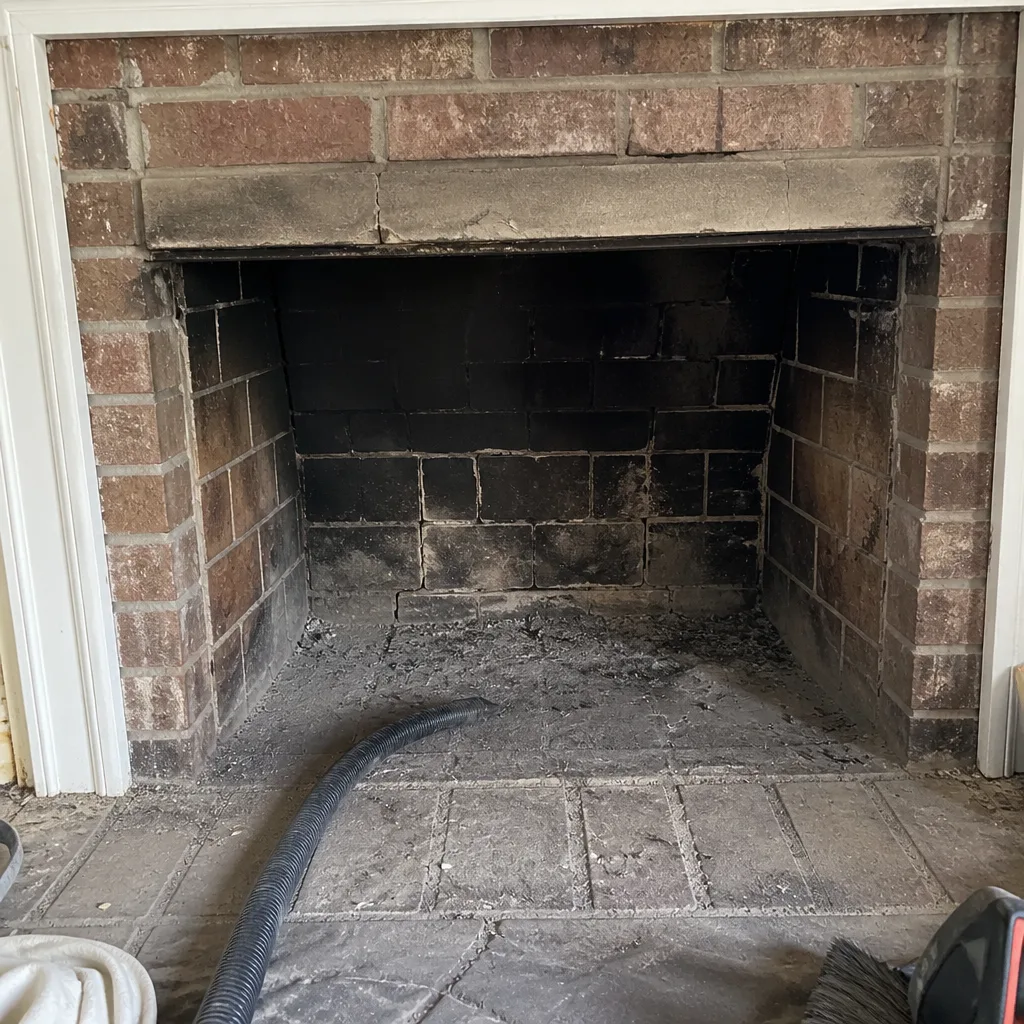 Before
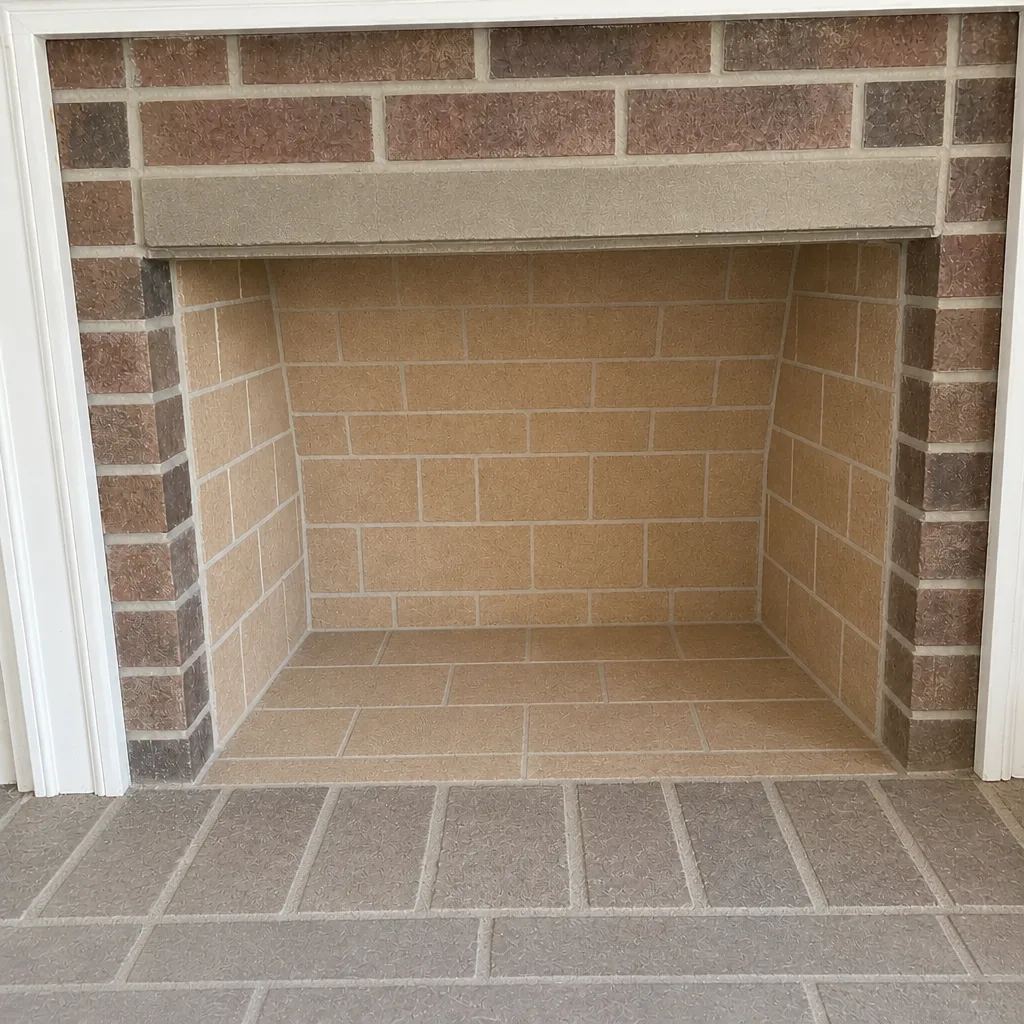 After
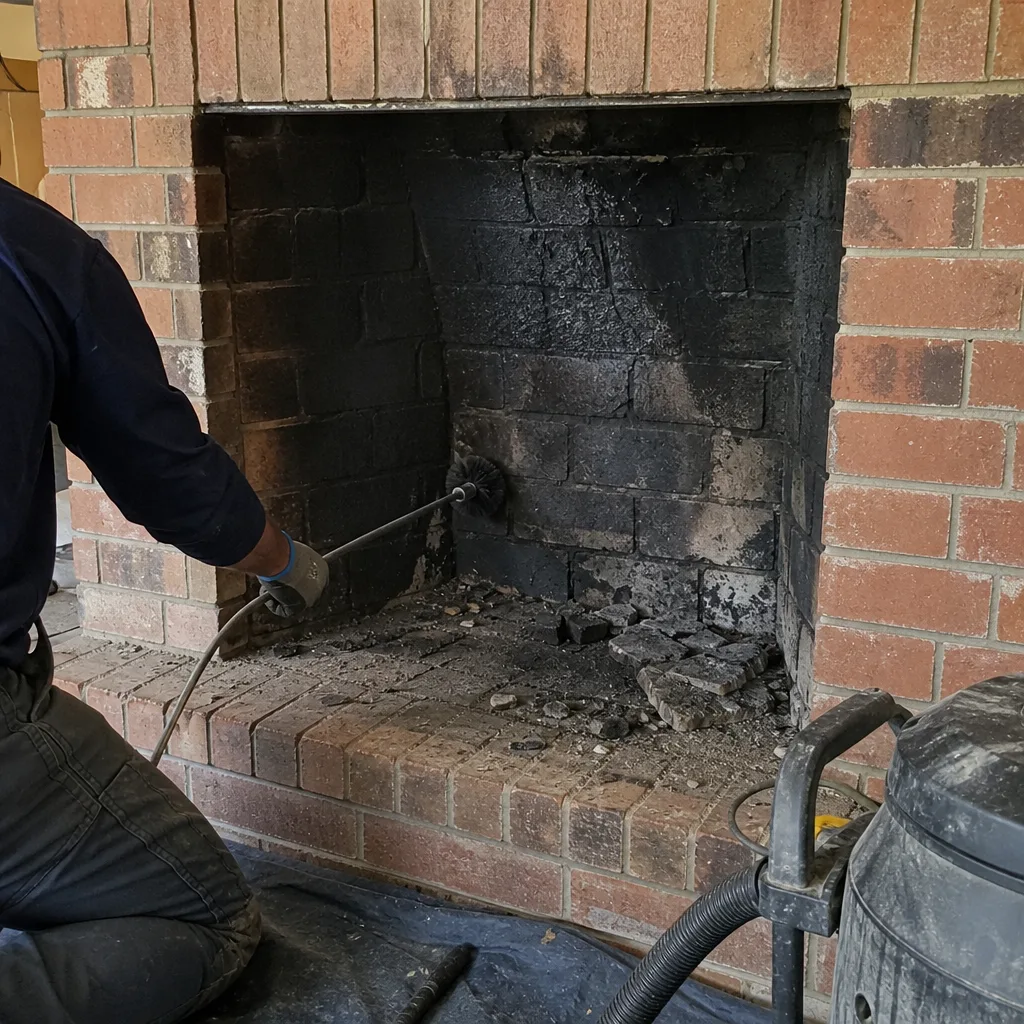 Before
 After
 Before
 After
When to Call a Professional
Call a professional if you haven’t had your chimney cleaned in the past year and you burn regularly. Call if you’ve just bought an older Garland home and don’t know when the chimney was last serviced. Call if you’ve had a chimney fire, even a small one, or if you’ve noticed smoke rolling back into the room, a persistent odor, or creosote flaking off the flue. Call if your damper doesn’t open or close smoothly, if the cap is missing or rusted, or if you’ve seen crumbling mortar in the firebox. And call if you’re not sure – a professional visit will tell you what you’re working with, and a written report lets you decide what to do next. Dayspring Chimney Sweep offers free estimates in Garland – call (855) 974-6812. We answer 24/7, with fast dispatch from 7am to 7pm, Sunday through Friday.
Frequently Asked Questions
A standard chimney cleaning with a Level 1 inspection in Garland typically runs $180 to $350, and a cleaning with a Level 2 camera inspection and written report runs $250 to $450. Heavy creosote, tall flues, and multiple flues push toward the top of that range, and repair add-ons are quoted separately. The written estimate you receive on-site sets the final price. Call (855) 974-6812 for an exact quote – estimates are free.
Only if the existing liner is genuinely damaged, and you should see the camera evidence before agreeing to one. A liner replacement typically runs $1,800 to $4,500 and is warranted when the flue can no longer safely contain the products of combustion, not as a routine upsell. Ask for the photos, ask what the existing liner looks like from the inside, and ask what happens if you wait. If a company can’t show you, don’t proceed. Call (855) 974-6812 to book an inspection with documentation – estimates are free.
Once a year if you burn regularly, and before your first fire if you’ve just moved into a home with unknown chimney history. The annual visit keeps creosote at the stage that brushes out cleanly rather than the stage that requires specialist removal. It also gives you a dated record of the chimney’s condition, which is useful when you sell the home. Call (855) 974-6812 to schedule – estimates are free.
Creosote builds up, and it gets more flammable as it moves from Stage 1 soot to Stage 2 crust to glazed Stage 3 deposits. At the same time, small problems like a cracked crown or failing mortar are left unaddressed, and they get more expensive to fix the longer they sit. A skipped season rarely causes a problem immediately. Several skipped seasons are how a routine cleaning turns into a repair job. Call (855) 974-6812 to get on the schedule – estimates are free.
Because the cheaper quote is almost always a different scope of work, not the same job at a lower price. A quote that excludes the inspection, the written report, and repair capability is pricing a brush-and-go visit. A quote that includes all three is pricing a full service. Compare the scope line by line before you compare the totals. If you’d like a quote that itemizes the scope, call (855) 974-6812 – estimates are free.
Yes. We clean and inspect the chimney and the dryer exhaust in the same visit, which covers the two venting systems most associated with home fires in a single appointment rather than two. That also means one setup, one technician, and one written record of both systems. Call (855) 974-6812 to book both together – estimates are free.
The Bottom Line
The price difference between a $99 chimney cleaning and a $299 one reflects scope, not markup. The lower number excludes the inspection, the written report, and the ability to fix what’s found. The higher number buys you all three, plus a technician who carries professional-trade liner and resurfacing materials rather than a brush and a clipboard. In Garland, the variables that move the number are flue height, stories, liner type, and creosote stage, and the best way to control them is to clean annually before creosote hardens. Read every quote against its scope. Ask what’s included, who does the repairs, and whether you’ll get the evidence in writing. Then decide. If you’d like a quote built that way, we’re ready to help.
Contact Dayspring Chimney Sweep
Dayspring Chimney Sweep handles chimney sweeping, dryer vent cleaning, and chimney repair in-house, using professional-grade products from names like DuraFlex, HeatShield, Gelco, and Olympia Chimney. We quote per job from a written estimate, and there’s nothing to agree to before you’ve seen what we’ve found. Call (855) 974-6812 for a free estimate. We answer 24/7. Fast dispatch from 7am to 7pm, Sunday through Friday. Dayspring has served Garland since 2016, and if you’d like to learn more about the company, start with the Dayspring Chimney Sweep home page.
Written by the team at Dayspring Chimney Sweep, serving Garland since 2016.