
Last updated November 14, 2026
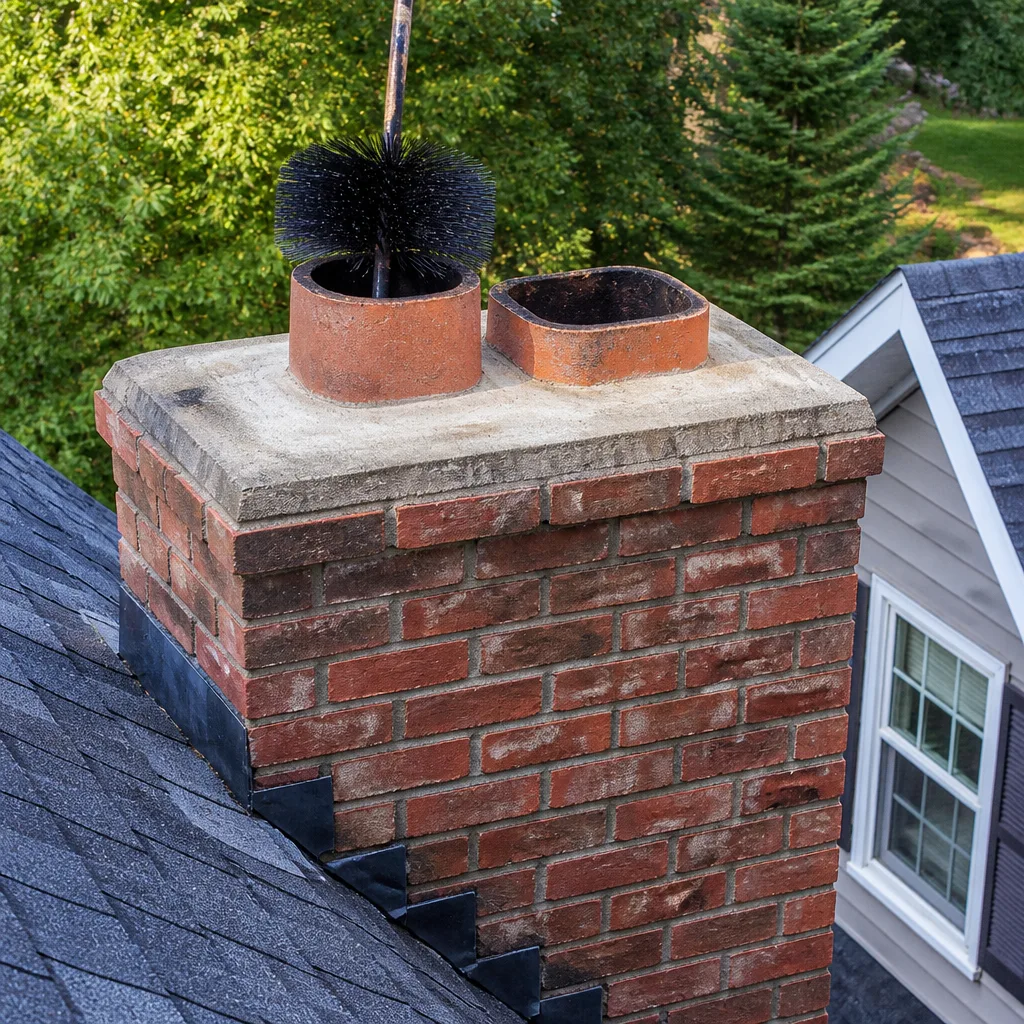 Sweep & inspection
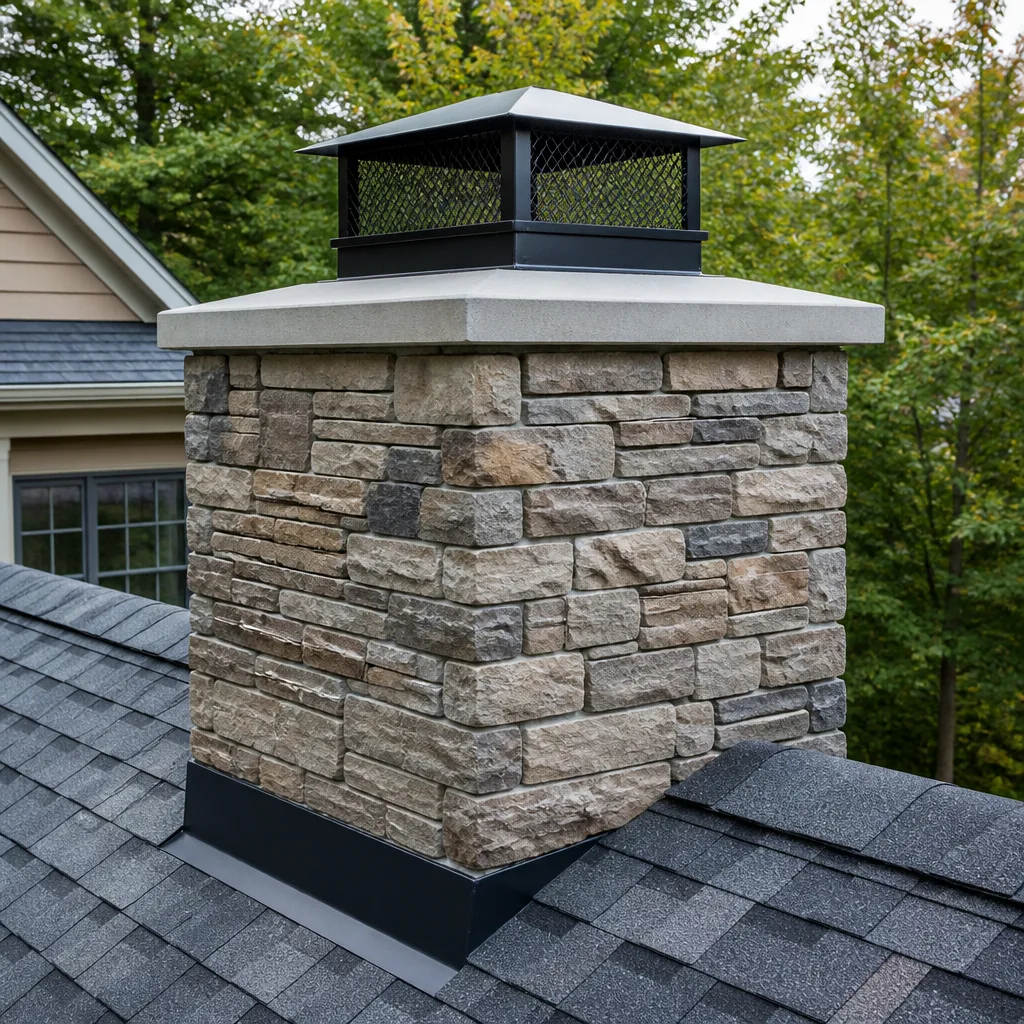 Caps & crowns
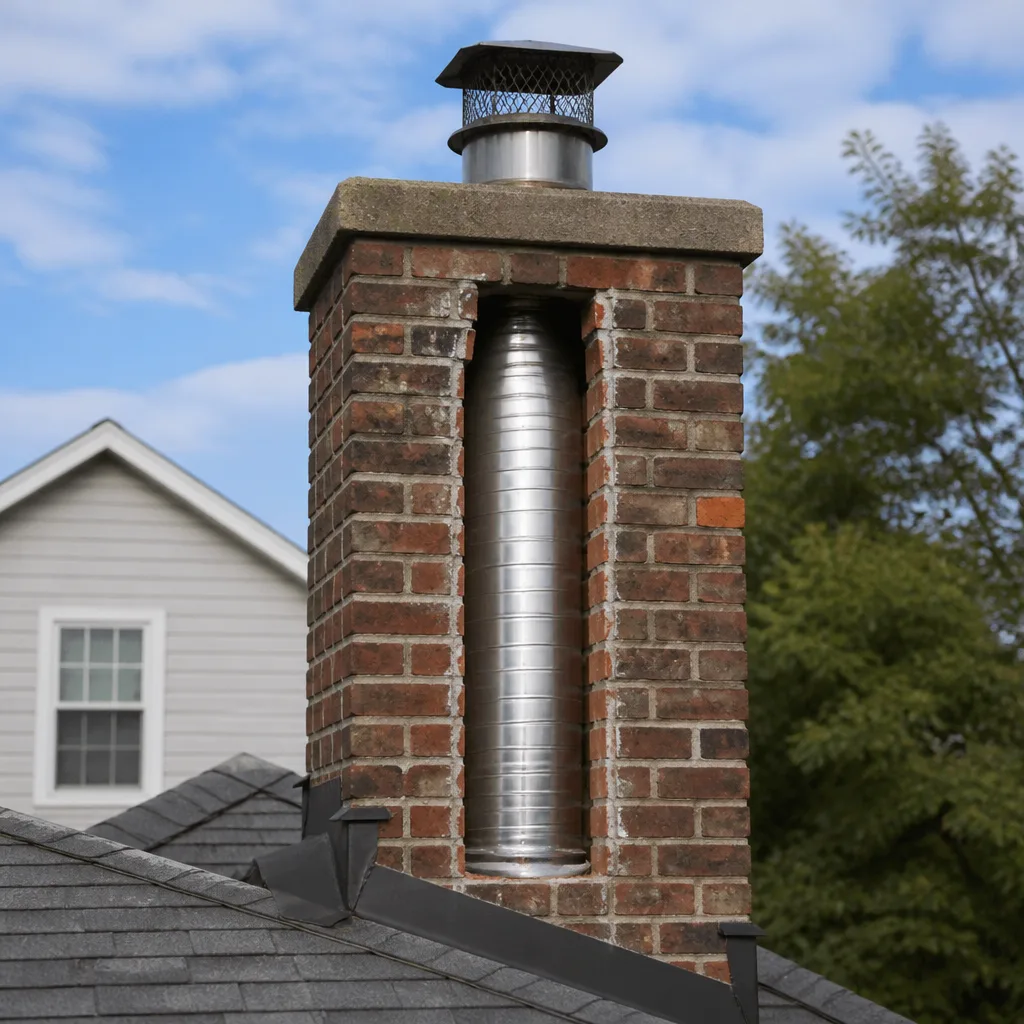 Flue relining
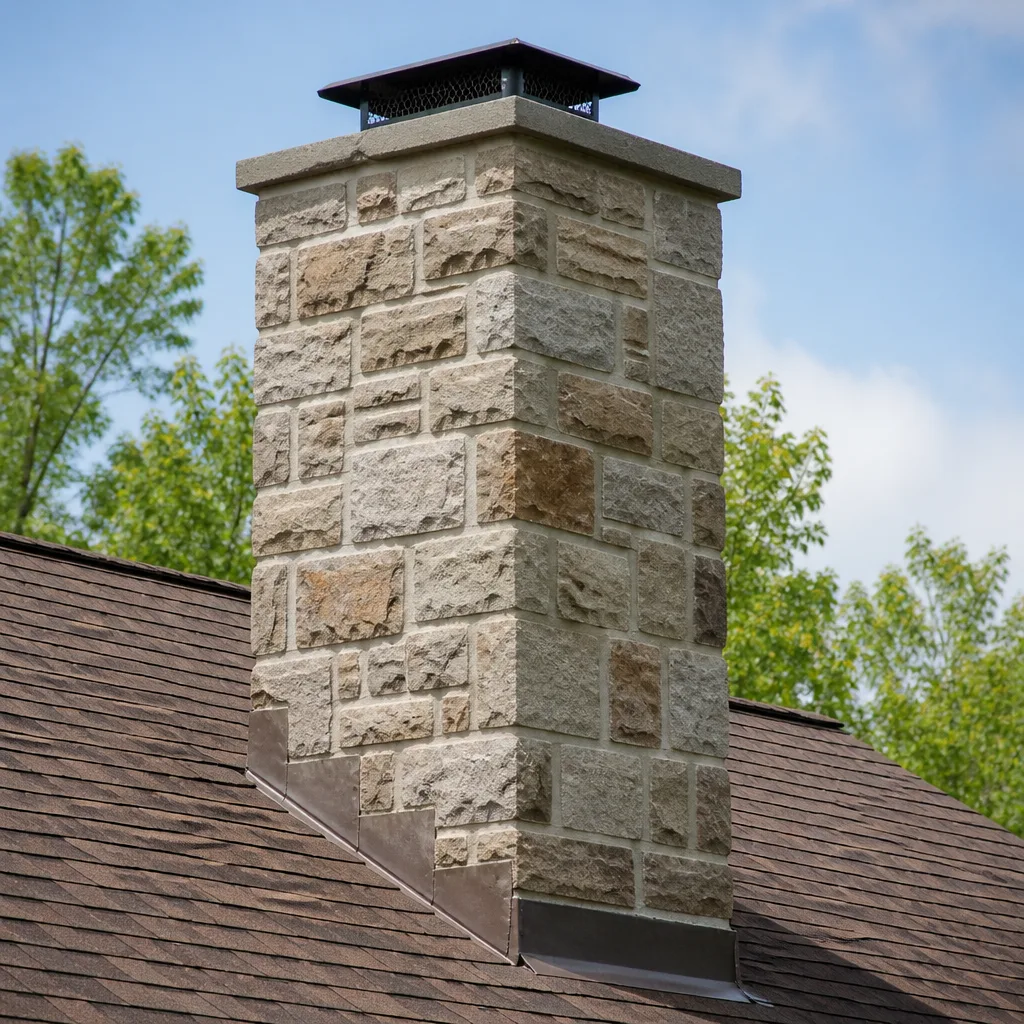 Masonry repair
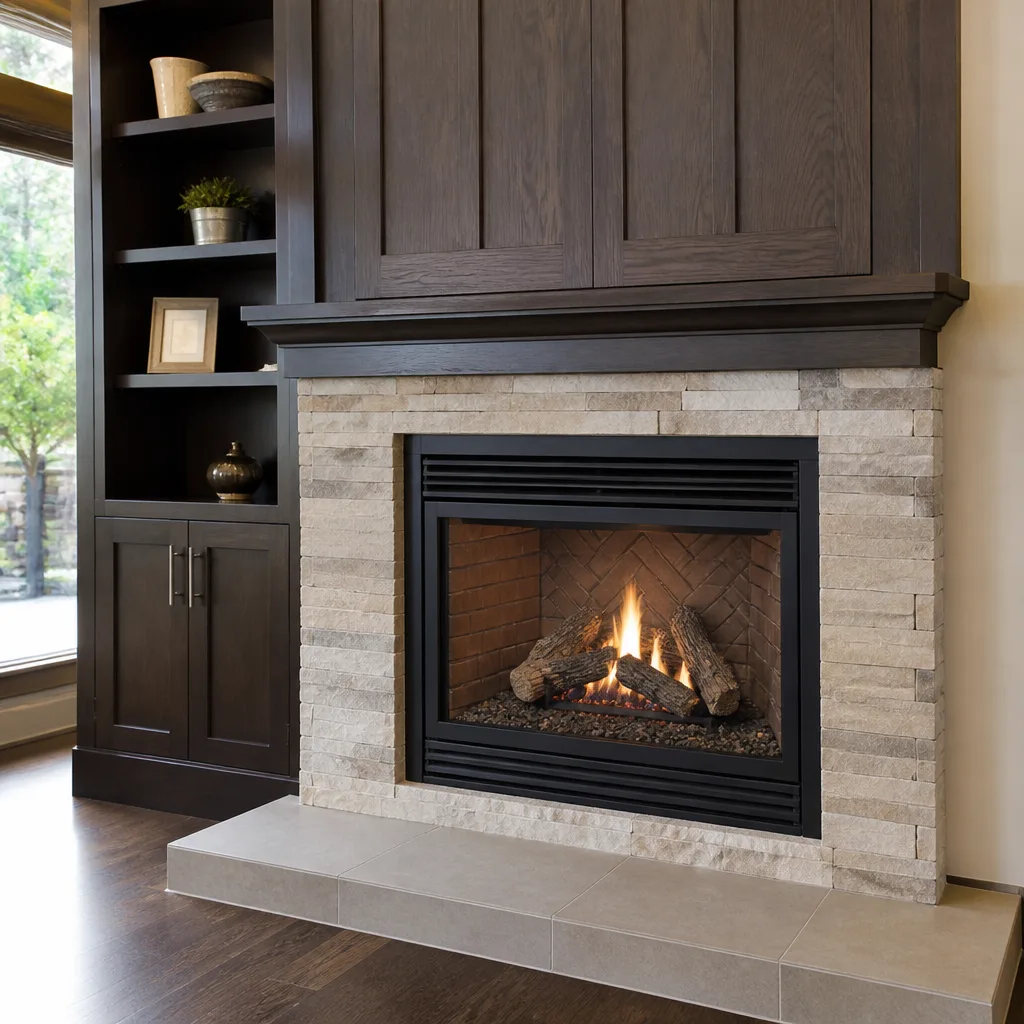 Gas fireplace service
Level 1 sweep and inspection to the NFPA 211 annual standard - flue, crown, cap, and flashing checked and photographed
Chimney sweep logs do not sweep chimneys. They loosen some creosote - which then falls where a brush and vacuum still have to collect it.
Choosing the Right Chimney Cleaning Brand: A Buyer’s Guide for Garland
Two technicians can pull into the same Garland driveway on the same morning, both holding a certification, both quoting roughly the same price. One is carrying a hardware-store brush, a tub of aerosol sealant, and no way to actually fix anything he finds. The other is carrying HeatShield resurfacing compound, DuraFlex stainless liner components, and commercial-grade crown coat. From the curb, the job looks identical. It isn’t. What a sweep carries determines whether a repair lasts two seasons or twenty, and it’s the single most overlooked question in this trade. This guide shows you how to tell the two apart before they show up, what to ask about materials and brands, and how to read a repair portfolio instead of a coupon.
Quick Answer
The right chimney cleaning company in Garland is one that carries professional-grade repair materials, not just brushes – which usually means it buys from trade suppliers and stocks brands like HeatShield and DuraFlex rather than retail substitutes. Ask directly what liner, crown, and waterproofing products they use, whether they handle repairs in-house or refer them out, and whether they can produce before-and-after documentation. A sweep who only cleans has no reason to stock repair materials, so his findings will always get logged and handed off rather than fixed.
Styles & brands we work with
- Sweep & inspection
- Caps & crowns
- Flue relining
- Masonry repair
- Gas fireplace service
Table of Contents
- The Product Quality Divide in Chimney Service
- What Professional-Grade Materials Actually Look Like
- How to Ask a Sweep About Materials Directly
- The Four Product Categories That Matter Most
- Why Cleaning-Only Companies Report Differently
- How to Evaluate a Repair Portfolio
- Cleaning-Only vs. Full-Service Venting Specialist
- What Makes Garland Chimneys Different
The Product Quality Divide in Chimney Service
Chimney sweeping looks like a low-tech trade, and that’s part of the problem. Anyone can buy a brush. Anyone can print a business card. The industry has no single national licensing body that forces a company to demonstrate what it stocks, so the market fills with operators who sweep and nothing else.
Here’s the gap most homeowners never see. A cleaning-only company buys from the same channels a homeowner would – retail, or a general hardware distributor. A company built around repair buys from professional supply distributors that serve certified restoration contractors. Those are two different supply chains with two different standards for materials, and the materials are the part of the job that lives in your chimney for decades.
We’ve watched this play out in Garland for years. A homeowner hires a cheap sweep, gets a written report that says “crown deterioration – recommend repair,” and then discovers the company that wrote the report can’t do the repair. It has to hand the work to someone it doesn’t employ, at a price the homeowner never agreed to. The report wasn’t wrong. The company just wasn’t equipped.
What separates the two models isn’t attitude or effort. It’s inventory. A full-service venting specialist carries the parts because it does the work. That one distinction shapes everything downstream: the quality of the repair, the accountability when something fails, and whether the person who diagnosed the problem is the same person who fixes it.
What Professional-Grade Materials Actually Look Like
Professional-grade chimney materials are the ones rated for direct contact with combustion byproducts, high heat, and decades of weather. They’re specified by trade distributors and named in manufacturer installation requirements – not sold off an endcap at a home improvement store. When you know the categories, the difference becomes easy to spot.
Liner systems
Liner work is where quality divides hardest. DuraFlex is a stainless steel liner system that professional chimney contractors install to reline a flue, and the components are cut and fitted to the specific chimney rather than trimmed on site from a generic coil. Insist on a named system and ask what makes it appropriate for your flue’s dimensions, fuel type, and condition.
Resurfacing systems
HeatShield is a resurfacing process used to restore a damaged clay flue liner from the inside, applied as a compound that cures into a smooth, heat-resistant surface. Most basic sweep companies cannot perform it at all. It requires qualification and the correct material, which is exactly why its presence in a company’s lineup is a useful signal about trade-level capability.
Crown and masonry products
The crown is the concrete cap at the top of the chimney that sheds water away from the masonry. A failing crown lets water into the structure, and the fix is a proper crown coat or rebuild, not a smear of caulk. Professional crown products are flexible, bonded, and rated for exterior exposure. An aerosol sealant is not the same product family, no matter what the label implies.
Waterproofing
Masonry waterproofing is a vapor-permeable treatment that keeps rainwater out while letting the brick dry from within. The wrong product traps moisture and accelerates spalling. A sweep who carries a trade-grade waterproofing agent can tell you which one belongs on your masonry and why.
How to Ask a Sweep About Materials Directly
The materials question is simple enough to ask on the phone, and a company that works with professional products will answer without hesitation. A company that doesn’t will tell you it depends, or that they’ll look at it when they arrive. Use these questions in order and listen to the shape of the answer, not just the words.
- Ask what brand of liner system they install if a reline is needed. A clear answer names a system. A vague answer describes a “stainless liner” with no manufacturer attached.
- Ask whether they can perform resurfacing on a cracked clay flue, or whether that always means a full reline. HeatShield qualification changes the answer.
- Ask what they use to seal a crown and whether it’s a coating or a rebuild. A real product has a product family behind it.
- Ask whether repairs are done by their own technicians or subcontracted. One answer keeps accountability in one place.
- Ask for a sample report and a couple of before-and-after photo sets from past repair work. Photos are the cheapest proof in the trade.
- Ask what happens if the repair fails inside the material warranty period. The answer tells you who stands behind the labor.
If a company can answer all six without a callback, you’re dealing with the repair-capable model. If the answers stall after the second question, you’re probably hiring a sweep, not a venting specialist. Here in Garland, that phone call takes four minutes and saves you a season of guessing.
The Four Product Categories That Matter Most
Most chimney findings fall into four repair categories. Knowing what good looks like in each one lets you judge whether a company is built to fix what it finds or only to describe it.
- Liner repair and relining. Insist on a named stainless system like DuraFlex, sized to your flue, with the installation method and insulation disclosed. A cracked or deteriorated flue liner is not a cosmetic issue – it’s the barrier between combustion gases and the framing of your home.
- Crown sealants and coatings. The crown is a concrete surface subjected to sun, rain, and thermal movement. It needs a flexible bonded coating or an actual rebuild, applied to a prepared surface. Ask how the crown will be cleaned and prepped before coating.
- Waterproofing agents. A vapor-permeable masonry treatment, applied to dry brick, with the product named. Anything that seals the surface shut is the wrong answer.
- Damper hardware. Dampers take a beating from heat and creosote, and a sticking or warped damper is a real operating problem. Ask whether replacement hardware is stocked or ordered, and whether the damper seat gets inspected at the same time.
Brands like Gelco and Copperfield belong in this conversation too – they’re the kind of professional-trade names that show up in a repair-ready company’s van and almost never in a cleaning-only operation. You don’t need to memorize a product catalog. You need to hear at least one or two named systems come back at you, with a reason attached.
Why Cleaning-Only Companies Report Differently
This is the part of the buyer’s guide that matters most, and it isn’t about dishonesty. It’s about incentive. A company that only cleans has no inventory to fix what it finds, so every finding has to leave the property as a recommendation. Over time, that shapes how the inspection gets conducted and how findings get described.
The effects are predictable. A hairline crack in a flue gets noted as “monitor,” because the company can’t perform a resurfacing and can’t quote a reline it doesn’t install. A deteriorated crown gets a cautionary line in the report, because crown work is outside the scope. The homeowner reads a list of concerns with no path forward, calls three companies to interpret the report, and ends up more confused than before the sweep.
Compare that with a repair-capable sweep. The technician who spots the issue is the one who can evaluate the fix, price it properly, and schedule it with the same company. When a liner is genuinely sound and only needs cleaning, he says so plainly – because he isn’t losing a repair sale he was never going to make. When a problem can safely wait a season, he can tell you that too, without worrying that the recommendation evaporates.
That’s why we describe Dayspring as a venting specialist rather than a sweep operation. Our chimney sweep service exists inside a company that also repairs, so the answer you get about your chimney isn’t limited by what’s in the van. It’s limited only by what the camera actually shows – and you see the footage yourself.
How to Evaluate a Repair Portfolio
A repair portfolio is the closest thing this trade has to a resume, and you can evaluate one in about ten minutes if you know what to look for. Ask any chimney company for three things: photographs, material specifications, and warranty terms. The quality of how they answer tells you as much as the content.
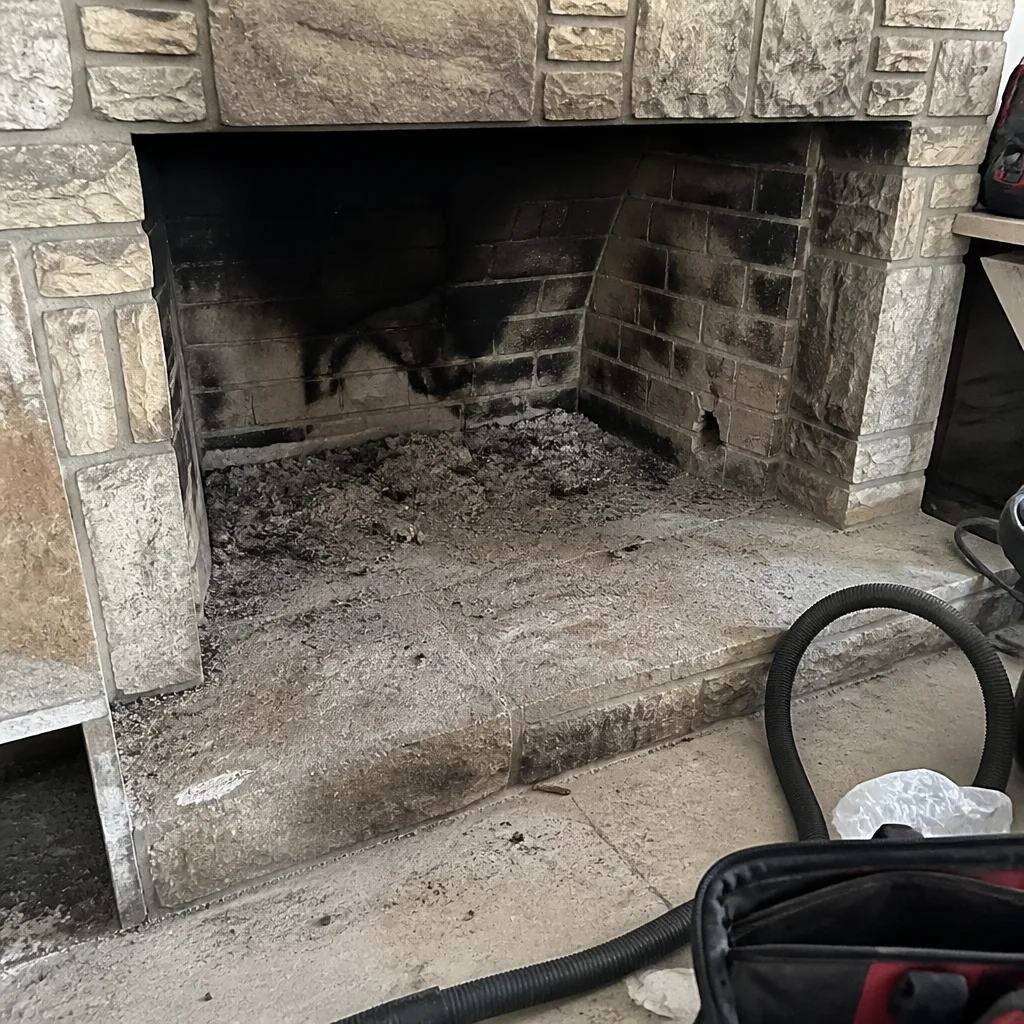
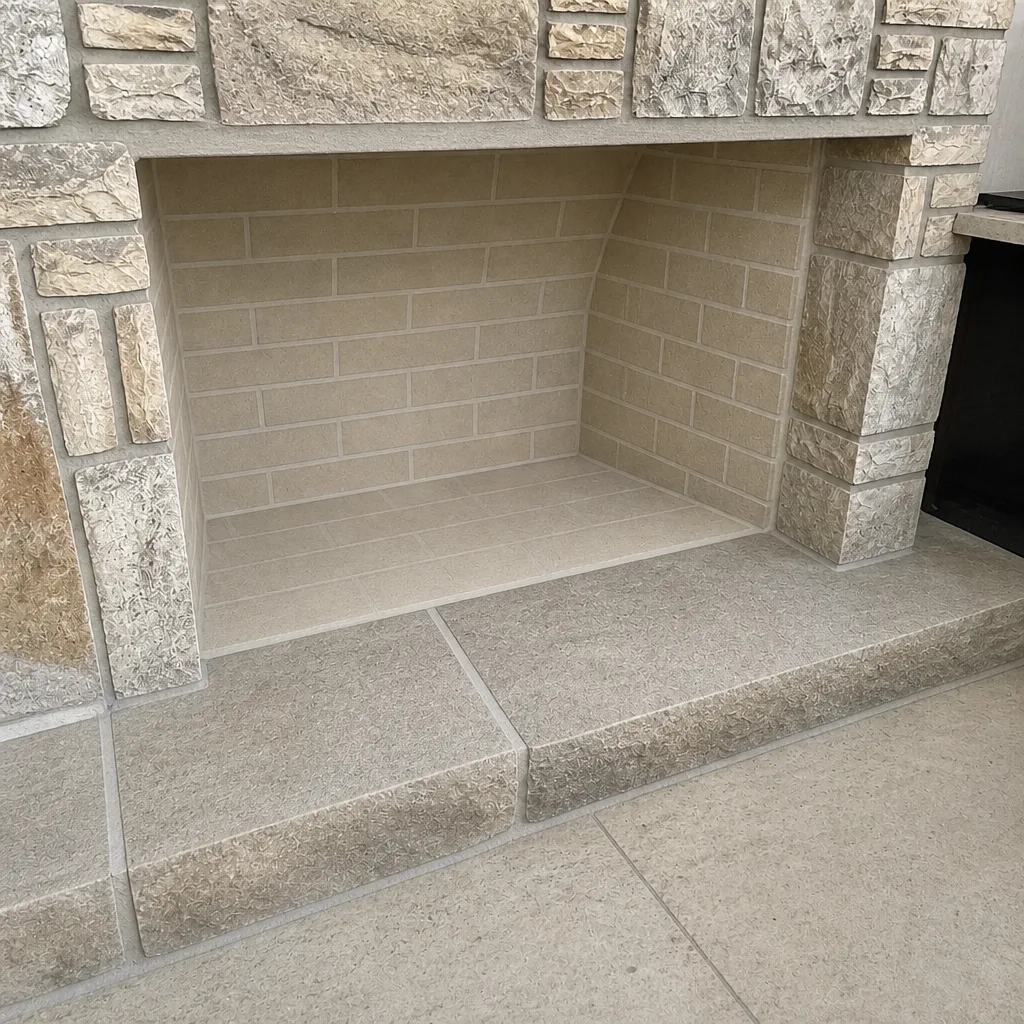
- Before-and-after documentation. Real repair work gets photographed at each stage: the damage, the preparation, the installed material, the finished surface. Vague interior shots of a flue before and after prove very little. Look for the same angle and the same lighting across both images.
- Material specifications disclosed. A portfolio should name the system – a DuraFlex reline, a HeatShield resurfacing, a specific crown coating – with the dimensions and application method. If a company can’t tell you what went in, it can’t stand behind it either.
- Warranty terms on labor and materials. Materials carry a manufacturer’s warranty and labor carries the company’s own. Ask both, in writing, and ask what happens if a repair fails and the cause is disputed. The good companies answer this without hedging.
- Camera evidence tied to the recommendation. A repair recommendation should follow a visible finding. Ask to see the footage that prompted it. You shouldn’t have to take anyone’s word about a structural problem you can’t see.
This is the practical reason homeowner hesitation about priced chimney work exists, and it’s a reasonable hesitation. Nothing should be recommended to you without visual evidence you can inspect yourself, and work that can safely wait should be described as exactly that. A portfolio that hands you the evidence is a portfolio you can trust.
Cleaning-Only vs. Full-Service Venting Specialist
The full-service venting specialist model and the cleaning-only model differ in what gets handled in a single visit, and you can usually identify which one you’re hiring before anyone shows up. Here’s a side-by-side.
- Scope. Cleaning-only handles the flue sweep and leaves findings as recommendations. Full-service handles the sweep, the inspection, the repair, and the documentation.
- Inventory. Cleaning-only carries brushes and a vacuum. Full-service carries brushes, liner components, resurfacing materials, crown products, and waterproofing.
- Second hazard. A venting specialist often covers the dryer vent too, which is the other leading home fire hazard involving a venting system and typically needs a separate vendor otherwise.
- Accountability. One company, one diagnosis, one repair, one warranty path. Cleaning-only splits responsibility between whoever found the problem and whoever fixes it.
- Reporting. Full-service reports with camera footage and a photo record. Cleaning-only reports with a written list, and the findings often stop there. For a deeper look at what a proper dryer vent cleaning adds to a single appointment, that second system is worth understanding well.
Neither model is a scam. Some homeowners genuinely only need a sweep and prefer to save the difference. The mistake is hiring the cleaning-only model while expecting the repair-capable one, then discovering the gap when a finding can’t be fixed by the person who found it. In Garland, where mature housing stock means more chimneys reaching the repair stage, that gap shows up more often than it should.
What Makes Garland Chimneys Different
Garland sits in the blackland and clay-influenced soils of the Dallas County area, and that has a real effect on masonry. Clay-heavy ground shifts with moisture, and that movement travels into the brickwork of older chimneys. We see more hairline mortar cracks and stepped foundation-adjacent joints here than you’d expect for a region with such mild winters. The settlement is slow and often invisible from the ground, which is why camera inspection matters more than the average homeowner realizes.
The climate itself is forgiving in one respect and harsh in another. Garland winters are mild, so freeze damage isn’t the seasonal threat it is up north. But summer heat is relentless, and it works on the crown, the mortar joints, and the masonry waterproofing season after season. A crown that lets water in during a heavy spring rain will show the damage months later in the flue. That’s a slow pattern, not a dramatic one, and it’s why we recommend a camera inspection even when there’s no obvious problem.
Housing stock matters too. Many Garland neighborhoods include homes from the mid-twentieth century, where a clay tile flue was the standard installation and no liner system was expected to last forever. A clay flue at that age often needs resurfacing or relining rather than just sweeping. A company that carries HeatShield and DuraFlex can evaluate both options; a cleaning-only outfit can only describe them.
None of this means every Garland chimney needs work. Most don’t. It means the answer has to come from evidence – footage, dimensions, material condition – and not from a sales sheet. That’s the standard we hold ourselves to, and it’s the standard worth holding any company to before you book a visit in Garland.
Common Mistakes to Avoid
- Booking on price alone. The cheapest sweep often buys retail-grade supplies and carries no repair materials. Two years later, the repair that got deferred costs more than the difference ever saved.
- Assuming a certification answers the materials question. Certification speaks to training and method, not inventory. A certified sweep can still show up with a hardware-store brush and nothing else, and that’s the gap this guide exists to close.
- Not asking who performs the repair. If a company refers repairs out, you’re hiring a coordinator, not a venting specialist. The subcontractor was chosen by someone else, at a price set by someone else.
- Accepting a written report with no footage. A finding you can’t see is a finding you can’t verify. Ask for the camera record before you approve any repair work on your Garland home.
- Skipping the dryer vent. Your chimney and dryer vent are the two primary fire-hazard venting systems in the home, and a venting specialist should be able to handle both on one visit rather than requiring two vendors.
- Treating a repair recommendation as pressure. It might be genuine, and it might be premature. Ask the technician plainly whether the work can wait a season. A good answer is specific and unafraid of the word “later.”
- Ignoring the crown because it’s out of sight. The crown is the chimney’s first defense against water in a heavy-rain climate. If a company never mentions it after an inspection, ask why.
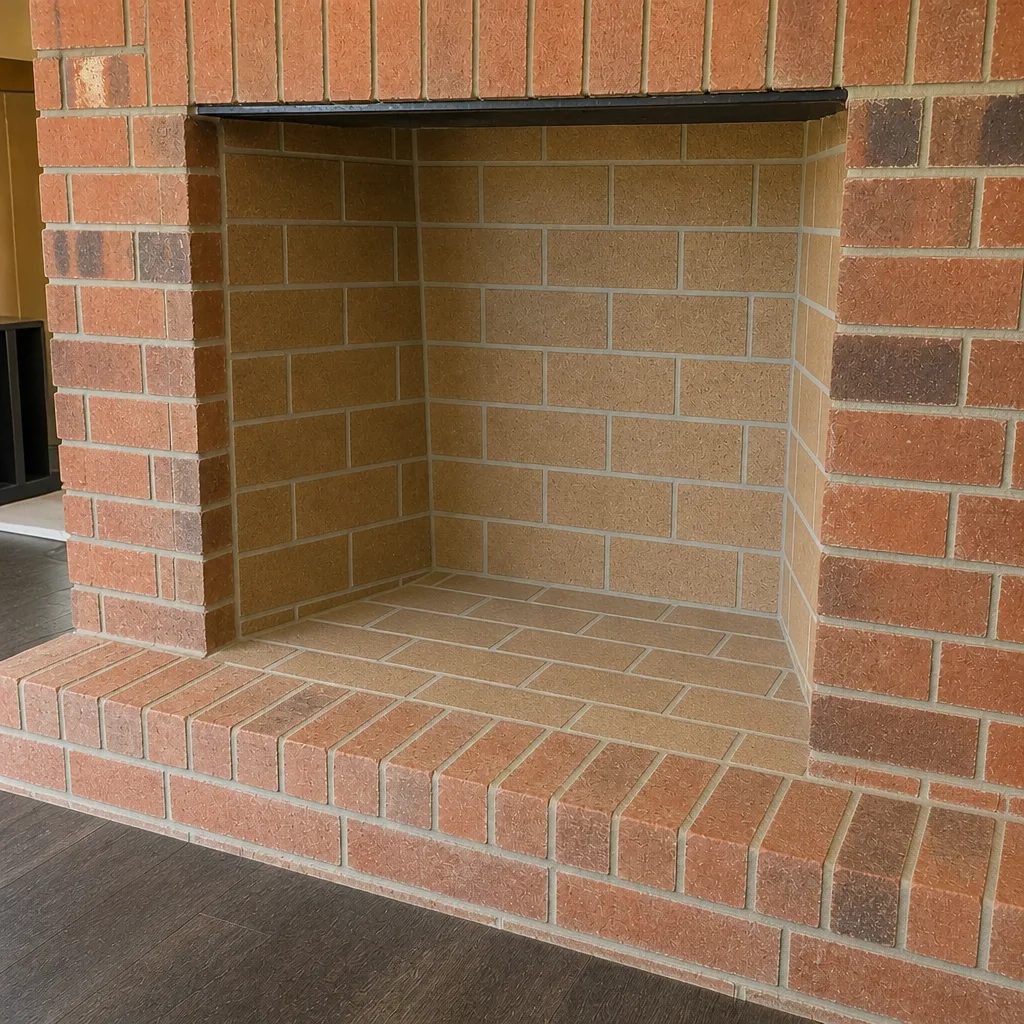
See the difference
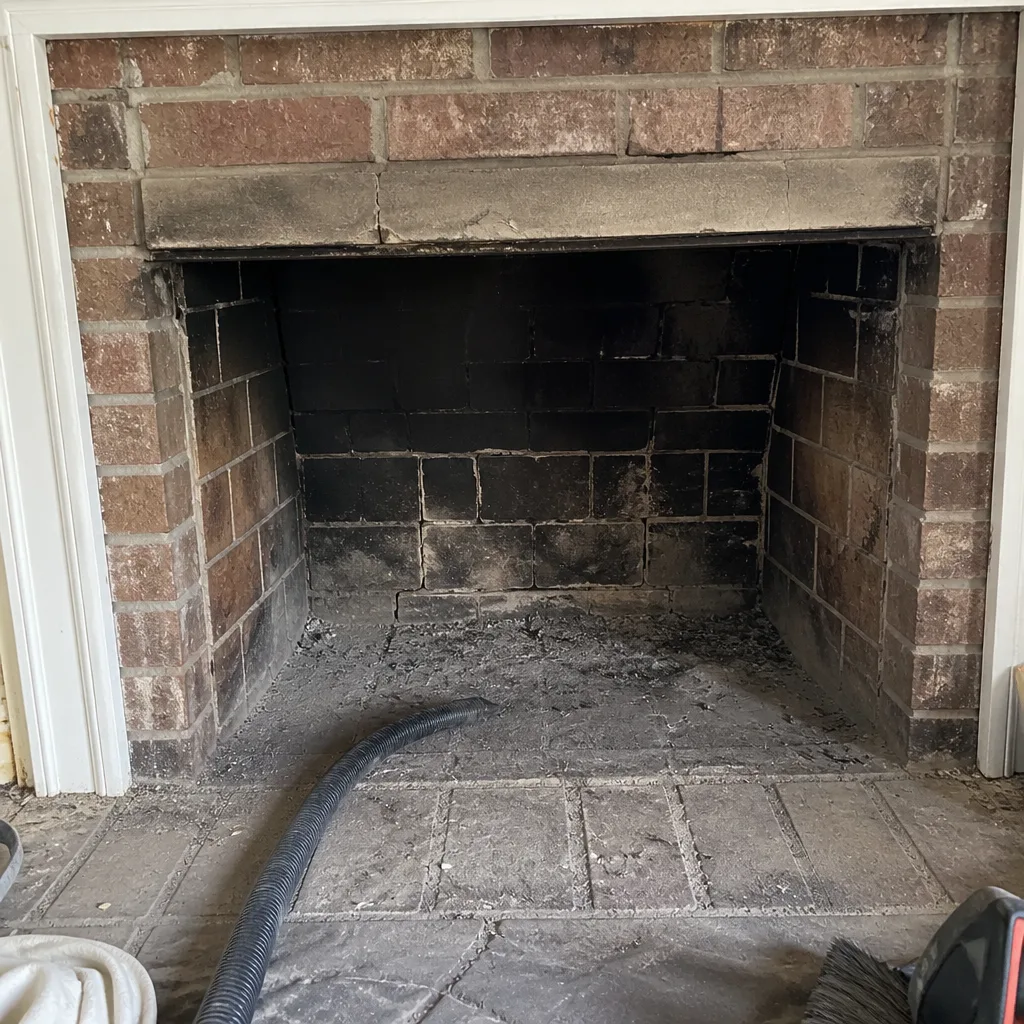 Before
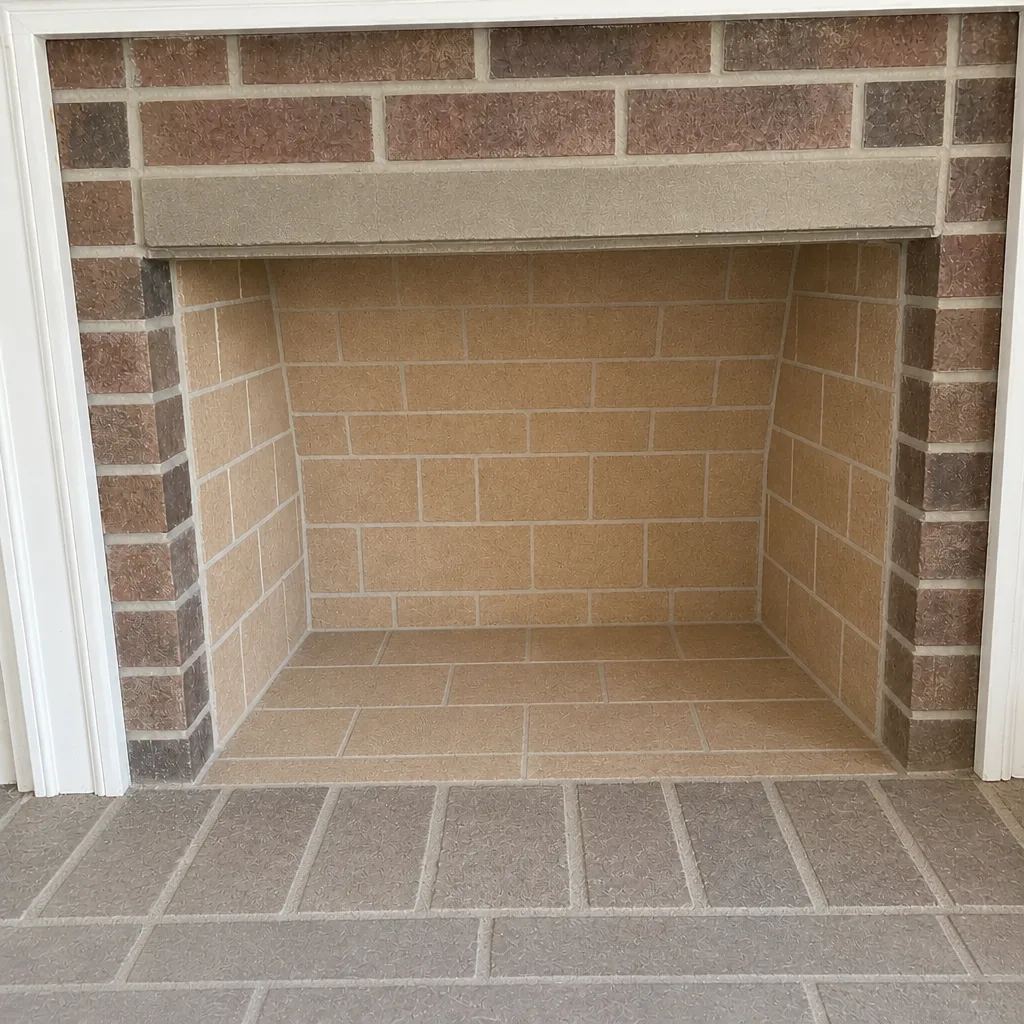 After
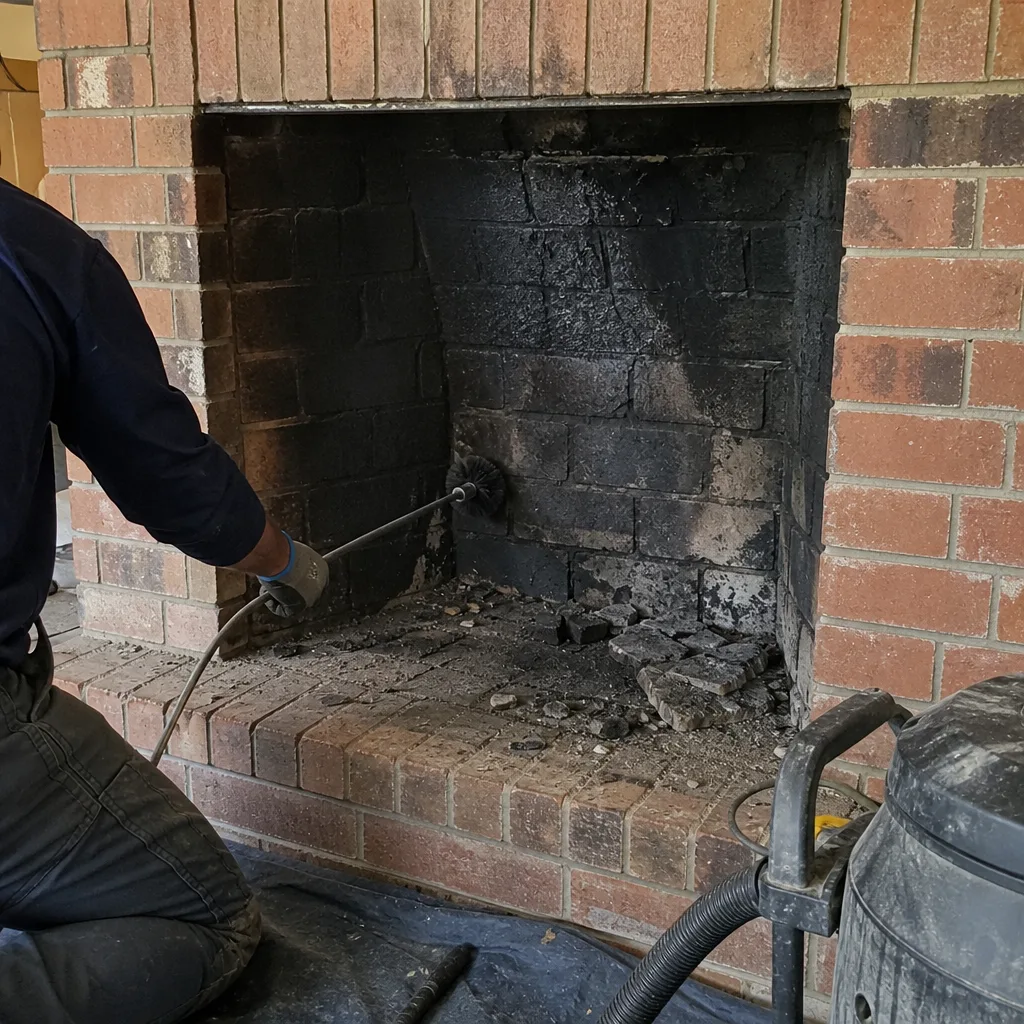 Before
 After
 Before
 After
When to Call a Professional
Call a professional when you’re seeing or smelling something you can’t explain, and call before the burning season starts rather than mid-winter. Specific triggers: a smoky smell in the house when the fireplace isn’t in use, a flue that drafts poorly or back-puffs when you light a fire, visible staining on the chimney exterior or interior ceiling near the chase, crumbling mortar joints on the stack, a damper that won’t open or close cleanly, or a dryer that takes noticeably longer than it used to. Any of those justify a camera inspection, and a chimney that hasn’t been inspected in a while justifies one regardless of symptoms.
The other trigger is a newly purchased older home. A pre-purchase or move-in inspection tells you what the flue actually is before you light the first fire, and it’s the cheapest information you’ll ever buy about the house’s venting. Dayspring Chimney Sweep offers free estimates in Garland: call (855) 974-6812. We answer 24/7. Fast dispatch from 7am to 7pm, Sunday through Friday. Nothing gets recommended without camera evidence you can see for yourself, and you’ll know plainly when work can wait.
Frequently Asked Questions
A sweep cleans the flue; a full-service venting specialist cleans, inspects with a camera, and repairs what it finds using the same trade-grade materials. The difference shows up when a problem is discovered: the sweep hands off a recommendation, the specialist fixes it in-house with one warranty path. In Garland, both exist, and the four questions in this guide will tell you which one you’re speaking with.
Ask which liner system, crown product, and waterproofing agent they use, and listen for named trade products rather than generic descriptions. Companies working with DuraFlex, HeatShield, Gelco, Olympia Chimney, Famco, or Copperfield will name them without prompting, because the brands are part of how they quote the work. A vague answer usually means retail sourcing. Call (855) 974-6812 for an exact quote – estimates are free.
Not more, but specific ones. The soil movement in this region opens mortar joints over time, and the hot summers work the crown and masonry waterproofing harder than a colder climate would. A mild winter doesn’t cancel either effect. The honest answer for any individual chimney comes from a camera inspection, not a regional generalization, which is why we show you the footage.
Yes, a full-service venting specialist typically handles both on the same appointment. That matters more than convenience suggests, since the chimney flue and the dryer exhaust are the two primary fire-hazard venting systems in a home and lint accumulation follows the same logic as creosote buildup. Separate vendors mean one of the two usually gets deferred. Call (855) 974-6812 to schedule both together.
A quote should name the system being installed, describe the preparation and application method, break out labor and materials, and state the warranty terms for both. It should also include the camera evidence that prompted the recommendation. If a quote is a single line item with no materials named, ask for a rewrite before you approve anything. We set every price per job by written estimate after a free assessment.
Sometimes, yes. If your flue was inspected recently, is documented as sound, and only needs a routine sweep, the cleaning-only model can be fine and cheaper. But if you don’t know the condition of your flue, or you’re in an older Garland home, hire the company that can act on what it finds. Call (855) 974-6812 and we’ll tell you honestly which situation you’re in.
The Bottom Line
The right chimney cleaning company in Garland is the one carrying professional-grade materials and the skill to apply them, not the one with the lowest number on a coupon. Ask about liner systems by name, ask what goes on a crown, ask who performs the repair and what the warranty covers. Then ask to see the footage behind any recommendation. A company built around the cleaning-only model will stall on those questions; a venting specialist will answer them without a callback. That’s the whole test, it costs you a phone call, and it tells you more than any review ever will. For a straight answer about your own chimney, reach us through our Garland page or call the number below.
Call (855) 974-6812 for a free estimate. We answer 24/7. Fast dispatch from 7am to 7pm, Sunday through Friday. Closed Saturday.
Written by the team at Dayspring Chimney Sweep, serving Garland since 2016.