
Last updated November 14, 2026
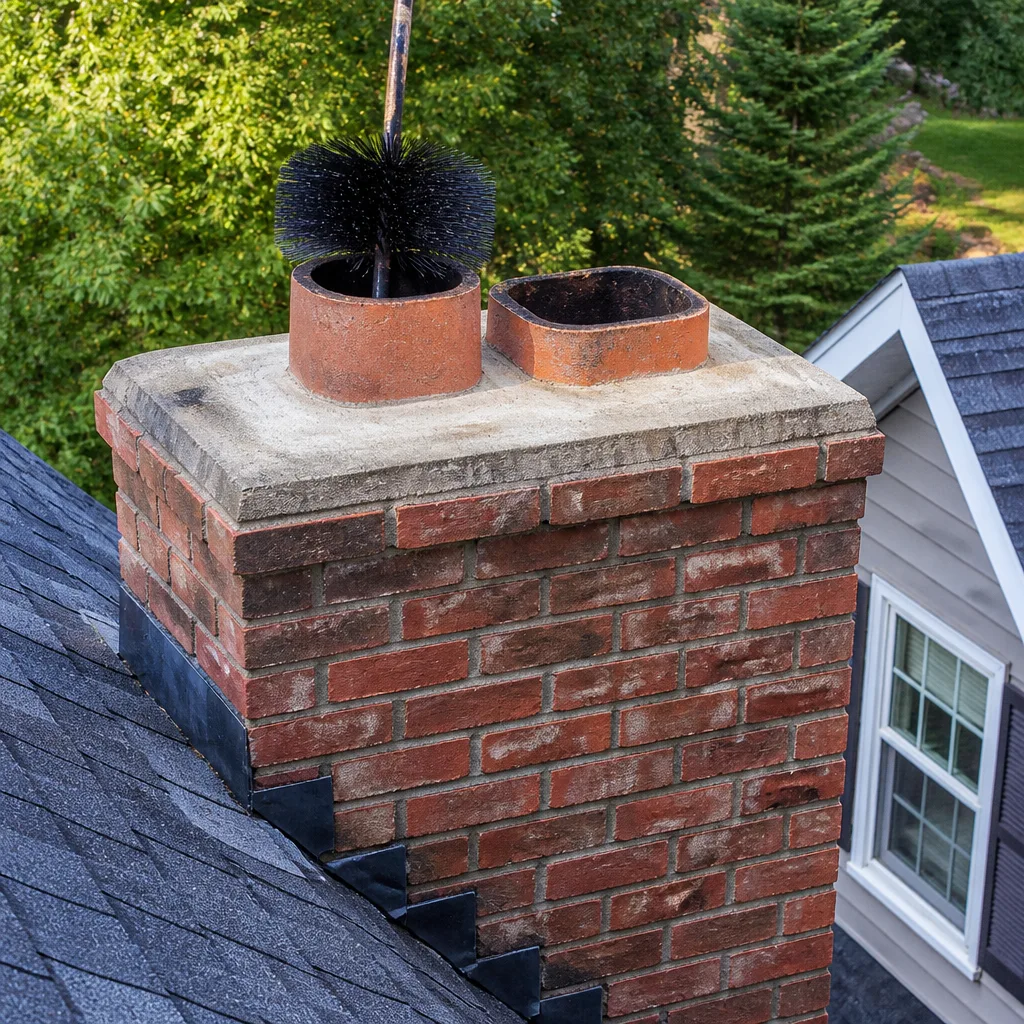 Sweep & inspection
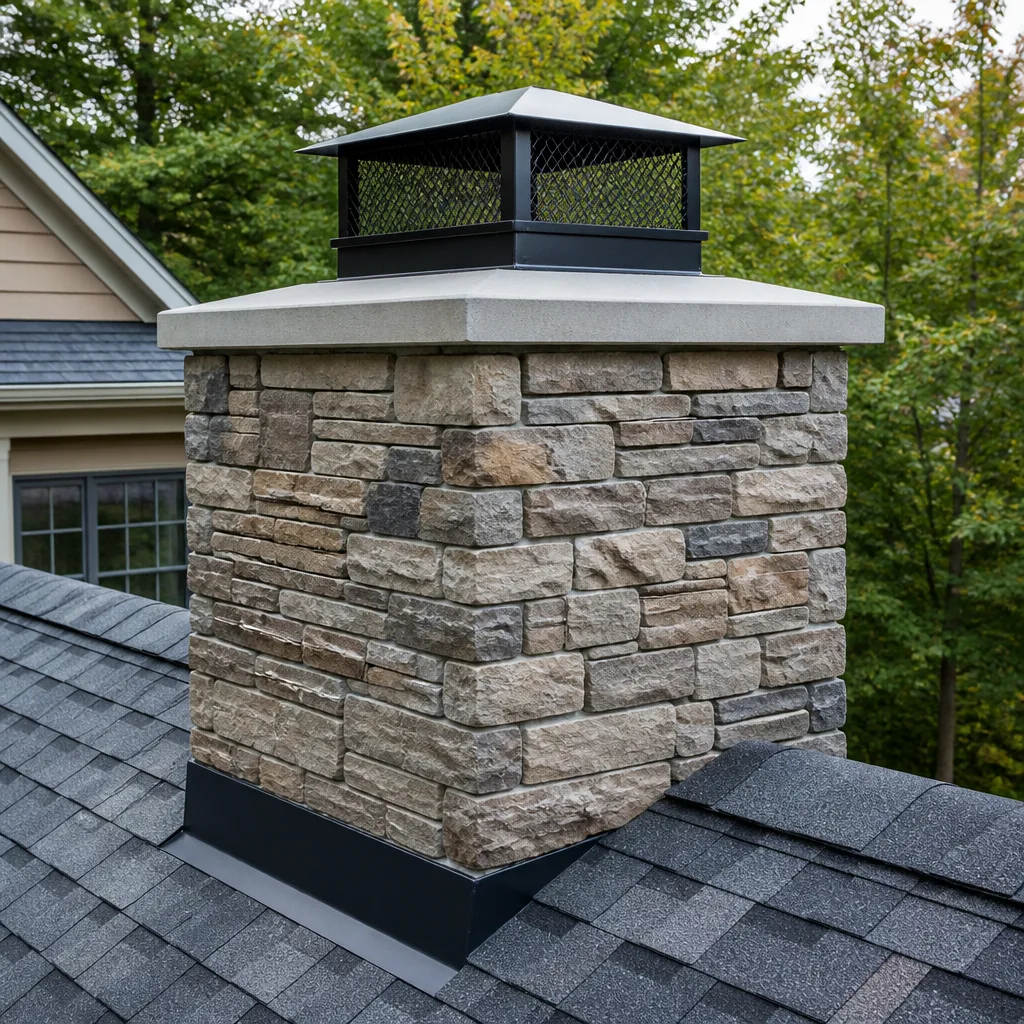 Caps & crowns
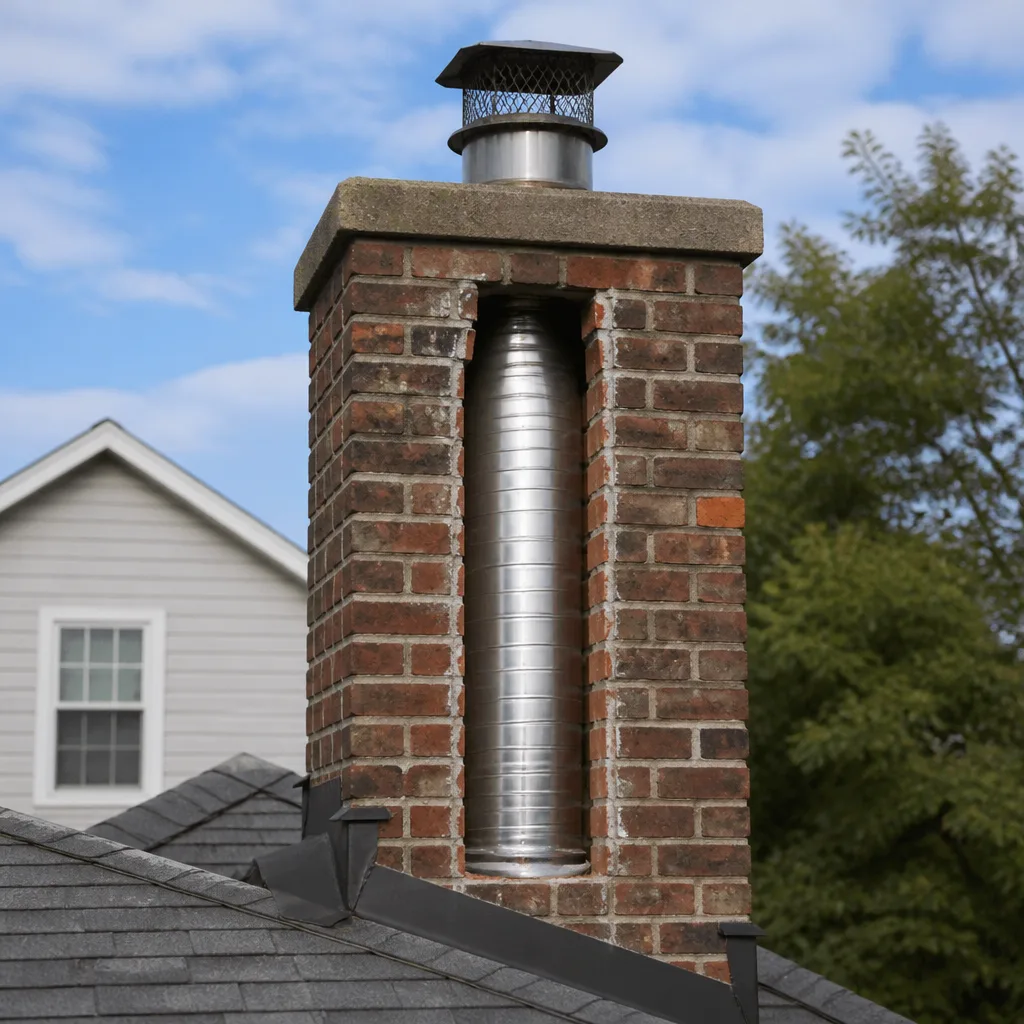 Flue relining
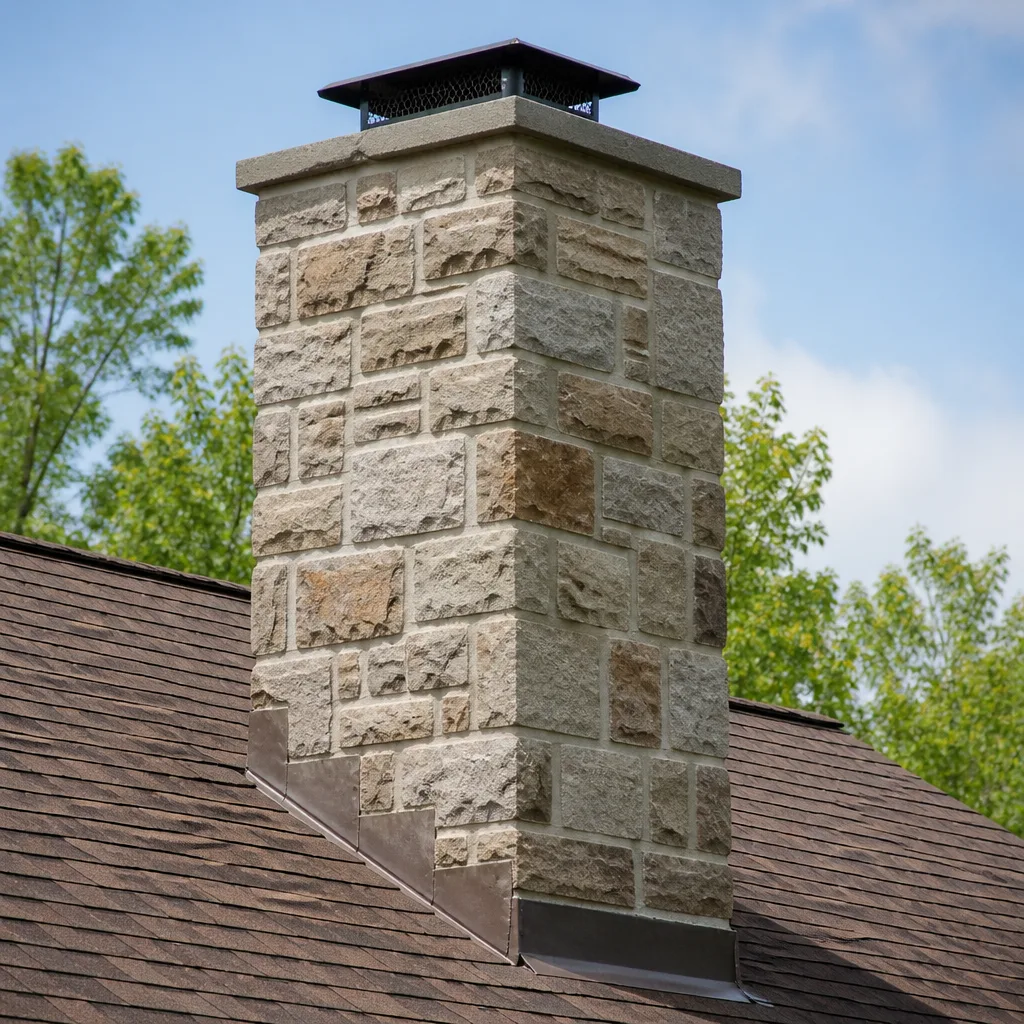 Masonry repair
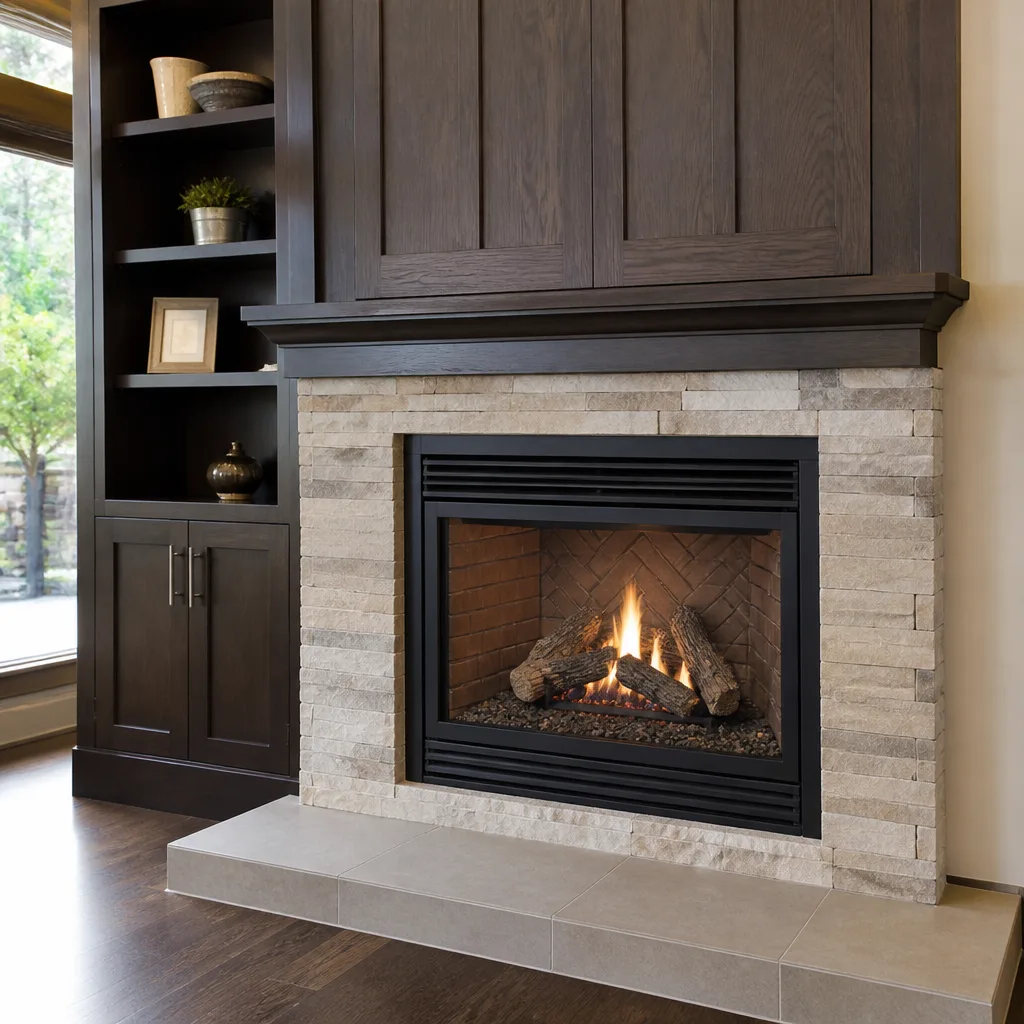 Gas fireplace service
Level 1 sweep and inspection to the NFPA 211 annual standard - flue, crown, cap, and flashing checked and photographed
Chimney sweep logs do not sweep chimneys. They loosen some creosote - which then falls where a brush and vacuum still have to collect it.
Chimney Cleaning Emergency Preparedness Guide for Garland Homes
Three things go wrong with a chimney, and they go wrong in predictable ways. The first fire after a long dormant summer, a flue that’s blocked when the first cold snap finally hits, and a flue fire inside a system somebody brushed but never actually inspected. What makes these emergencies worse than they need to be is almost never the chimney itself. It’s that nobody in the house knew what to do in the first few seconds. A flue fire can burn hot enough to breach a cracked liner fast, and the homeowners who come through it correctly are the ones who already knew what number to call and which instinct to ignore. This guide covers each scenario in plain terms, plus the routine maintenance that eliminates most of them. If you live in Garland and heat with wood, this is worth ten minutes of your time before the season starts.
Quick Answer
Most chimney emergencies in Garland fall into three categories: a first-fire flue fire, a blocked flue during a cold snap, and carbon monoxide from a venting problem on a gas appliance. You handle a flue fire by closing the damper, getting everyone out, and calling 911, never by opening windows. You prevent the other two with a proper sweep, a draft check before the first burn, and a post-incident inspection before the fireplace is used again. A yearly chimney sweep removes the creosote and finds the liner cracks that turn a small problem into a fire.
Styles & brands we work with
- Sweep & inspection
- Caps & crowns
- Flue relining
- Masonry repair
- Gas fireplace service
Table of Contents
- What To Do During a Chimney Flue Fire
- Carbon Monoxide: The Gas Appliance Scenario Most People Miss
- How To Check for a Blocked Flue Before the First Fire
- What To Do If an Animal Gets Into the Living Space
- Why You Need a Post-Emergency Level 2 Inspection
- The Maintenance Routine That Prevents Most Emergencies
- Common Mistakes to Avoid
- When to Call a Professional
What To Do During a Chimney Flue Fire
A chimney flue fire is scary in a way that’s hard to describe unless you’ve heard one. There’s a low roaring sound, sometimes a vibration through the house, and flames or sparks visible at the top of the chimney. Creosote, the tar-like residue that builds up on flue walls, ignites when it gets hot enough, and the fire can spread up the flue in seconds. The instinct that runs through almost every homeowner’s head is to open a window or a door to let the smoke out. Please don’t. Opening a window feeds oxygen to the fire and makes it hotter and faster. Here’s what actually works.
- Close the damper. That starves the fire of air from below and keeps smoke out of the room.
- Get everyone out of the house. No exceptions, no gathering belongings. A flue fire can breach a cracked liner and spread to framing in the walls.
- Call 911 from outside. Even if the fire looks like it’s dying down, let the fire department confirm the flue is safe.
- Don’t spray water into the firebox. Water on a hot firebox or flue can crack masonry and cast iron.
- Don’t use the fireplace again until a Level 2 inspection has confirmed the flue is sound.
Once the fire department has cleared the scene, the next step is diagnostic, not cosmetic. A flue fire can leave the liner intact, cracked, or delaminated, and there’s no way to know which just by looking up the chimney with a flashlight. In our experience in the Garland area, most flue fires we inspect started with creosote that had been building for more than one season in a flue somebody was brushing at the top but not checking at the bottom. The fix is often a liner, and we stock and install professional-grade products like DuraFlex so the repair happens on the same visit as the diagnosis.
Carbon Monoxide: The Gas Appliance Scenario Most People Miss
Carbon monoxide from a gas appliance is the emergency most Garland homeowners don’t see coming, because there’s no flame, no sound, and no smell. A gas furnace, water heater, or gas fireplace vents combustion gases up a flue. If that flue is blocked or its liner has failed, the gases can spill back into the living space instead of going up. The symptoms of mild exposure are easy to mistake for a cold or a long day at work: headache, dizziness, nausea, fatigue, and confusion. By the time a CO detector sounds, the concentration has usually been building for a while.
What to watch for before a detector triggers:
- Headaches or dizziness that show up when you’re home and ease when you leave
- Multiple family members feeling unwell at the same time, especially with the furnace running
- Soot stains at the draft hood or near the top of the water heater or furnace flue
- A yellow or lazy flame instead of a crisp blue one on a gas appliance
- A CO detector that chirps intermittently for no obvious reason
If you notice any of these, open a window, step outside, and call for help. Don’t try to isolate the problem yourself. CO is dangerous precisely because it’s invisible, and gas appliance venting problems are a job for a trained technician. When we’re called out on a CO concern, we do a camera inspection of the flue and can resurface a failing liner with HeatShield or line it with a new system rather than just noting the problem on a report. That’s the difference between a finding and a fix.
How To Check for a Blocked Flue Before the First Fire
The single most useful thing you can do before lighting the first fire of the season takes about 30 seconds and requires no tools. Do the draft check below in the same room as the fireplace, on a still day, before any fire has been lit. If it fails, hold off on lighting a fire and get the flue looked at.
- Open the damper fully. Make sure the flue is actually open and the linkage hasn’t seized.
- Hold a lit match or a piece of smoldering paper near the open damper. Be careful with your hand and keep it away from any loose material.
- Watch the smoke. It should rise straight up and out of the firebox. If it hangs in place, drifts back into the room, or gets pushed down, the flue is blocked or the draft is compromised.
- Look up the chimney with a flashlight. You’re checking for daylight at the top and for obvious obstructions.
A blocked flue is most often caused by a bird nest, leaves or debris, a collapsed flue tile, or a heavy creosote buildup. In Garland, the chimney cap takes a beating from summer heat and the occasional hailstorm, and a cap that’s bent or missing is an open door for wildlife and weather. If the draft check fails, don’t guess at the cause. A camera inspection will tell you exactly what’s blocking the flue, and that’s the only reliable way to know whether it’s a quick clear-out or a liner replacement.
Cold snaps in North Texas are short but they arrive fast, and the rush to light that first fire of the year is exactly when blocked flues get discovered the hard way. Book your sweep before the season turns over, not after.
What To Do If an Animal Gets Into the Living Space
It happens less often than people think, but when a bird or squirrel drops into the firebox, the reaction in the room is immediate and panicked. Here’s the calm version of what to do.
- Close the doors on the fireplace or fireplace screen immediately. Confine the animal to the firebox if you can.
- Close the damper. That stops more from following.
- Open an exterior door or window to the outdoors and leave the room, so the animal can find its own way out without a chase.
- Don’t swing at it or try to grab it. A frightened bird or squirrel will bite, scratch, and spread soot through the room.
- Call an animal removal service if it won’t leave. Then call us to inspect the flue and cap before you light another fire.
The prevention step matters more than the removal step. A flue cap with a properly fitted screen is what keeps animals out in the first place, and caps fail in Garland for the same reasons everything else does here: intense summer sun, storm damage, and the occasional hard freeze that cracks the mounting. When we inspect a chimney and find a missing or damaged cap, we replace it rather than logging it. That’s the difference between fixing the hazard and documenting it.
Why You Need a Post-Emergency Level 2 Inspection
NFPA 211, the national standard covering chimneys and vents, calls for a Level 2 inspection after any event that could have damaged the flue. That includes a chimney fire, a sudden event like a lightning strike or earthquake, and any time a home changes hands or a heating appliance is changed out. The reason is simple: from the firebox floor looking up, you can see maybe the first few feet of flue. The damage that matters is usually higher up.
A Level 2 inspection includes a camera run of the flue from top to bottom, and it looks for a specific list of things:
- Cracks, gaps, or missing sections in the clay flue tiles or a stainless liner
- Heavy or glazed creosote, which needs more than a brush to remove
- Failed mortar joints between flue tiles
- A deteriorated or missing chimney crown, which lets water into the structure
- Obstructions from bird nests, debris, or a collapsed tile
- Improper clearances to combustible material, which is a fire risk
- The condition of the vent connector on a gas appliance, which is often where a CO problem starts
We show the homeowner the camera footage rather than just telling them what it showed. If a liner is cracked, we can install a DuraFlex stainless liner to bring the flue back to safe operation. If the flue tiles are intact but pitted, HeatShield resurfacing can restore the interior without a full liner replacement. You get to see the evidence before you decide, and we’ll tell you plainly when a repair can safely wait.
The Maintenance Routine That Prevents Most Emergencies
Almost every chimney emergency we get called to in Garland traces back to a step somebody skipped. The preventive routine is not complicated, and once you’re on it, the emergency scenarios above get rare fast.
- Sweep annually if you burn wood regularly. Creosote builds in layers, and a flue that was clean last year isn’t necessarily clean this year. An annual sweep removes the creosote before it can ignite.
- Do the draft check before the first fire. Thirty seconds, every season, no exceptions.
- Get a camera inspection every few years, or any time something changes. New appliance, a chimney fire, a new-to-you house, or visible damage at the crown or cap. This is where liner cracks and failing mortar get caught before they cause a problem.
- Have your dryer vent cleaned at the same visit. Lint accumulation in a dryer vent is one of the leading causes of home fires, and it’s a hazard most homeowners never think to check. Our dryer vent cleaning handles it in the same appointment as the chimney sweep.
- Keep the chimney cap and crown intact. A missing cap is an invitation to animals and weather, and a cracked crown lets water into the masonry.
- Test your CO detectors once a season. A detector that hasn’t been tested is not a safety feature, it’s a decoration.
Ten years of chimney work in Garland has taught us that the homes that never have emergencies are the ones that were swept, inspected, and repaired consistently, not the ones that bought the cheapest sweep available. We carry the parts, not just the brushes, so when we find a problem during a routine visit, we can fix it before it becomes an emergency. Our services include chimney sweeping, dryer vent cleaning, and chimney repair, all handled by our own technicians rather than referred out to a subcontractor you’ve never met.
Common Mistakes to Avoid
- Opening a window during a flue fire. It feeds oxygen to the fire and makes it hotter. Close the damper and get out instead.
- Assuming a brushed chimney is an inspected chimney. A sweep removes creosote; it doesn’t tell you whether the liner is cracked. Those are two different jobs, and only a camera inspection confirms the second.
- Skipping the draft check after a storm. Garland hail and high winds can damage a cap or drop debris into a flue. Check before lighting a fire, not after the smoke rolls into the room.
- Trusting a coupon-site sweep with no repair capability. A sweep who can’t fix a cracked liner will hand you a report and disappear. When you find a problem, you want the same company to fix it.
- Ignoring CO symptoms as a cold. Headaches that clear when you leave the house and return when you come back are a warning sign, not a coincidence.
- Using the fireplace after a flue fire without an inspection. NFPA 211 calls for a Level 2 inspection before the fireplace is used again, for good reason. A damaged liner plus a hot fire is a house fire waiting to happen.
When to Call a Professional
Call a professional immediately after any flue fire, any CO detector activation, any animal intrusion, and any time your draft check fails. Those aren’t “get to it eventually” items. Call a professional before the heating season starts if you haven’t had the chimney swept in more than a year, if you just bought a home in Garland and don’t know its chimney history, or if you see soot streaks, crumbling mortar, a damaged crown, or a cap that’s missing or bent. Call sooner rather than later if the flue has heavy glazed creosote, because that’s the layer that ignites hottest. Dayspring Chimney Sweep offers free estimates in Garland. Call (855) 974-6812. We answer 24/7. Fast dispatch from 7am to 7pm, Sunday through Friday.
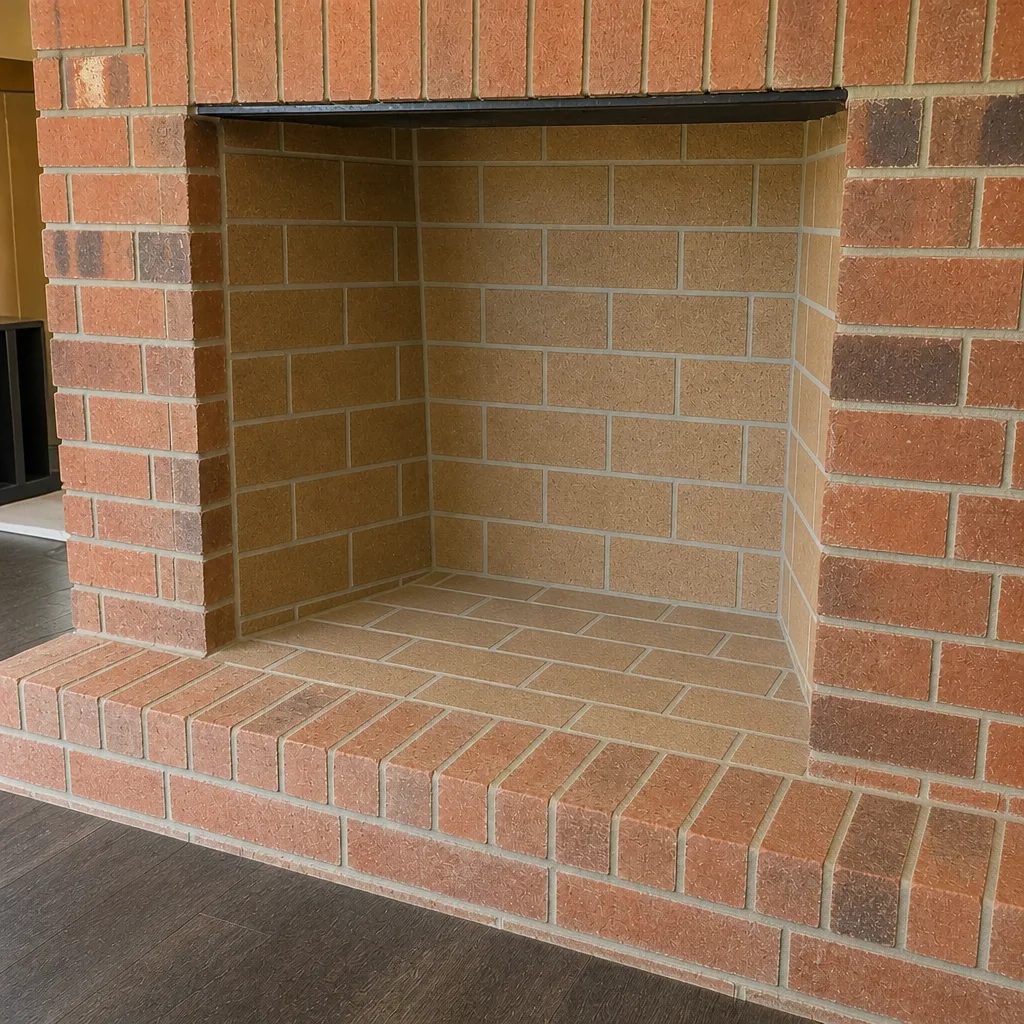
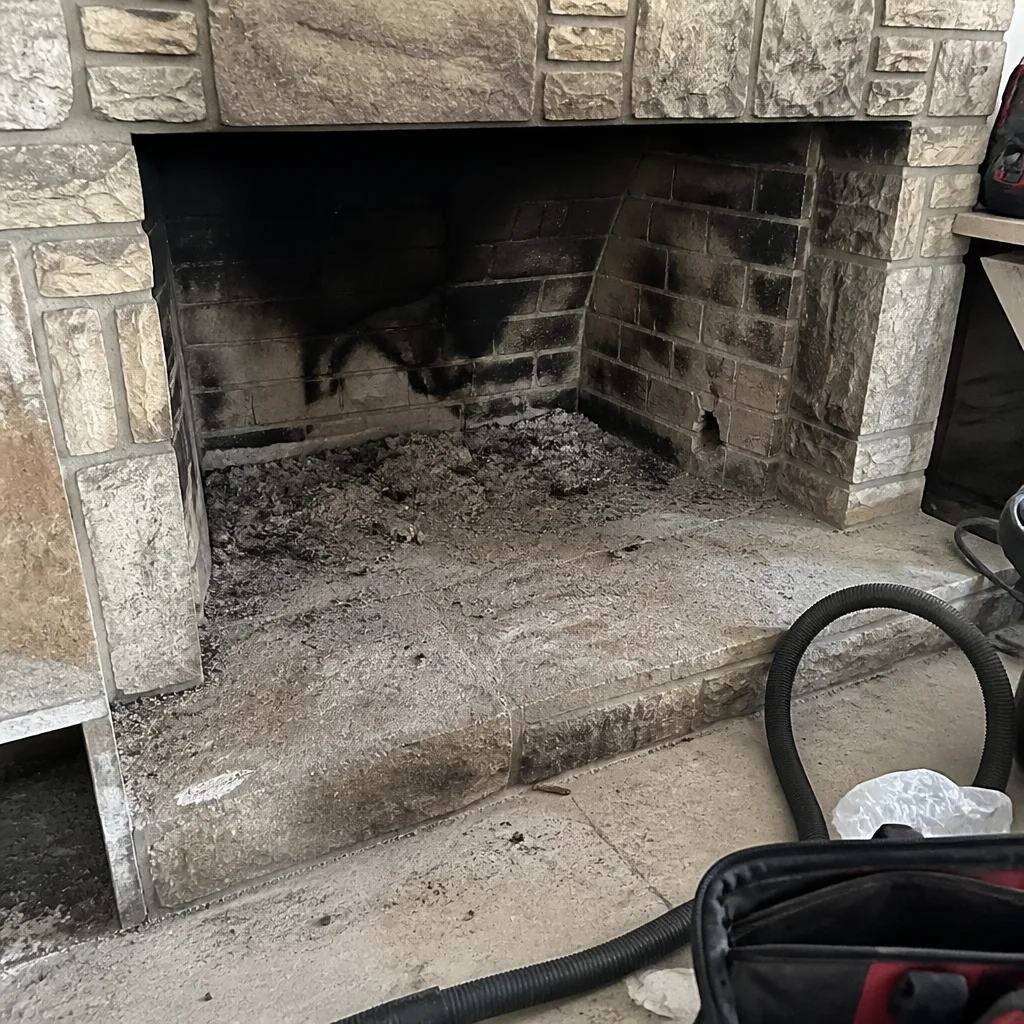
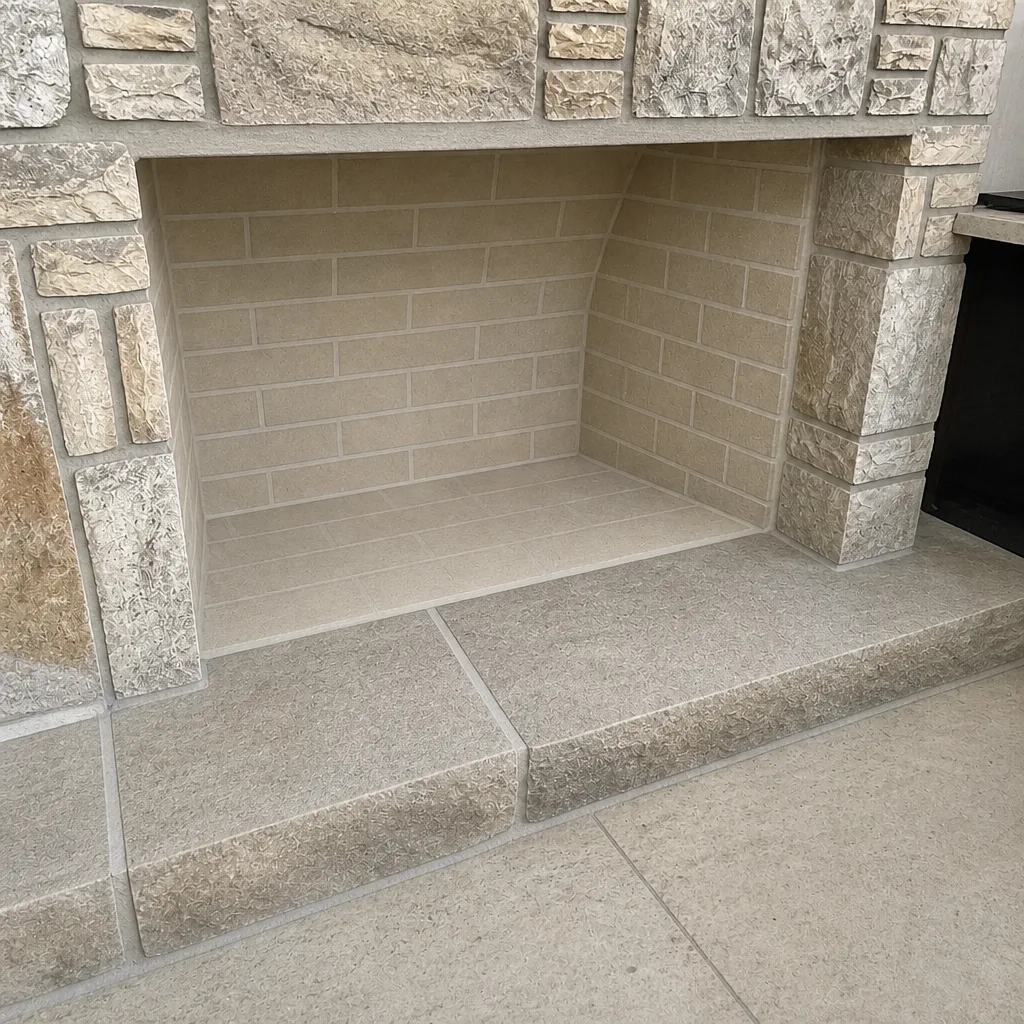
See the difference
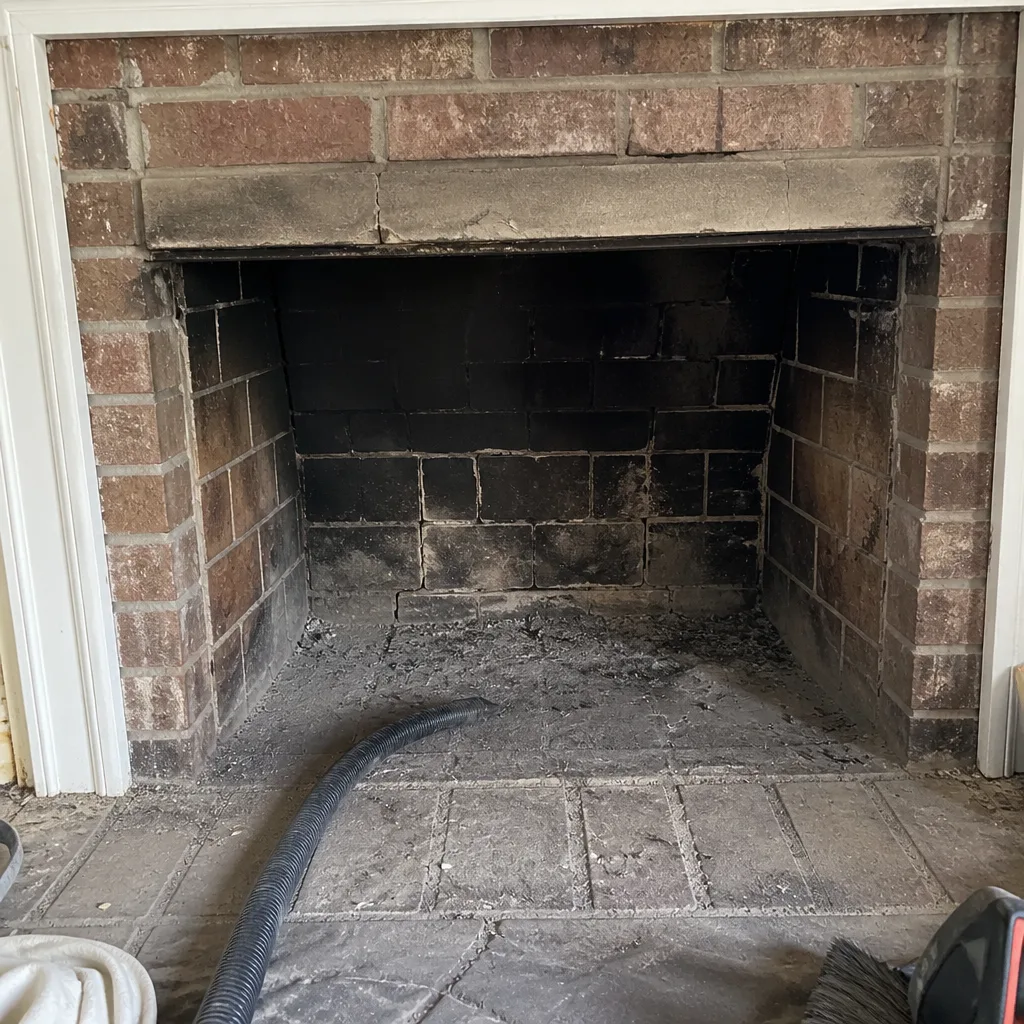 Before
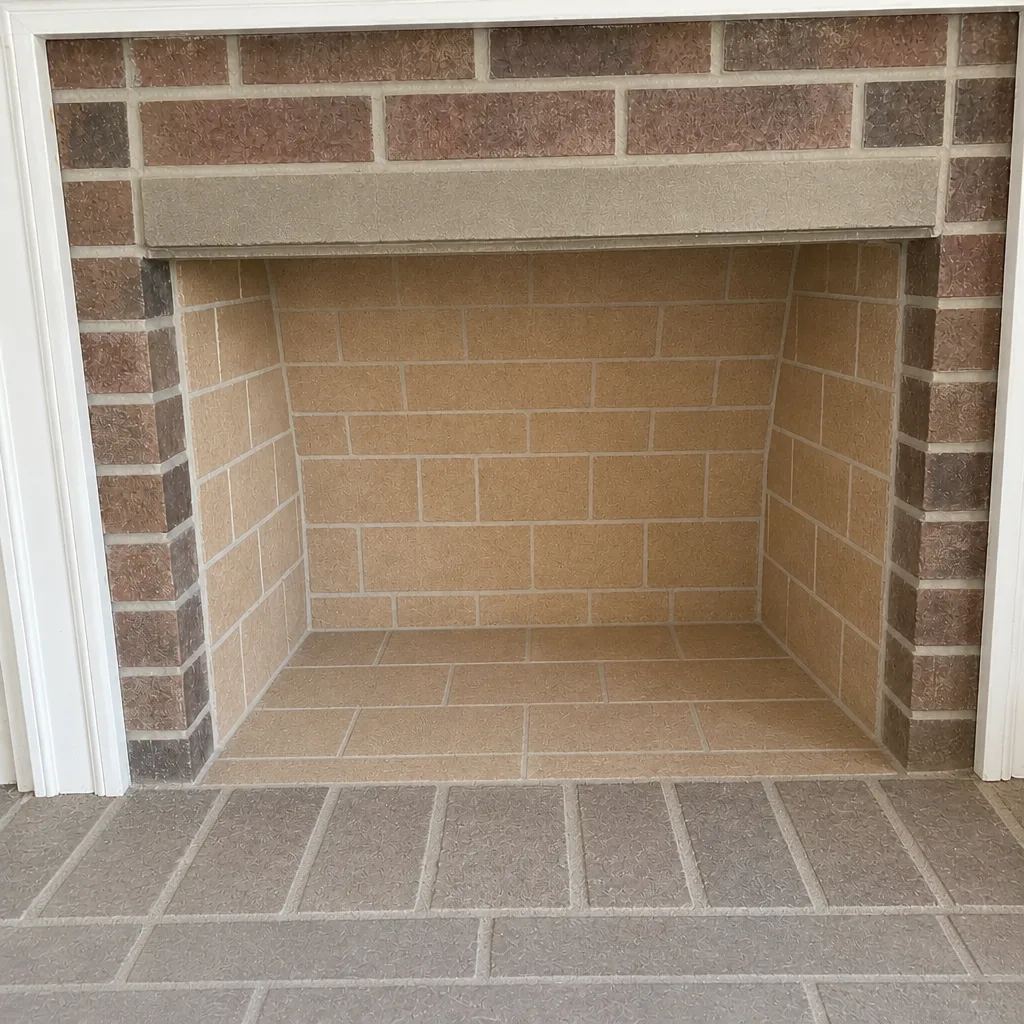 After
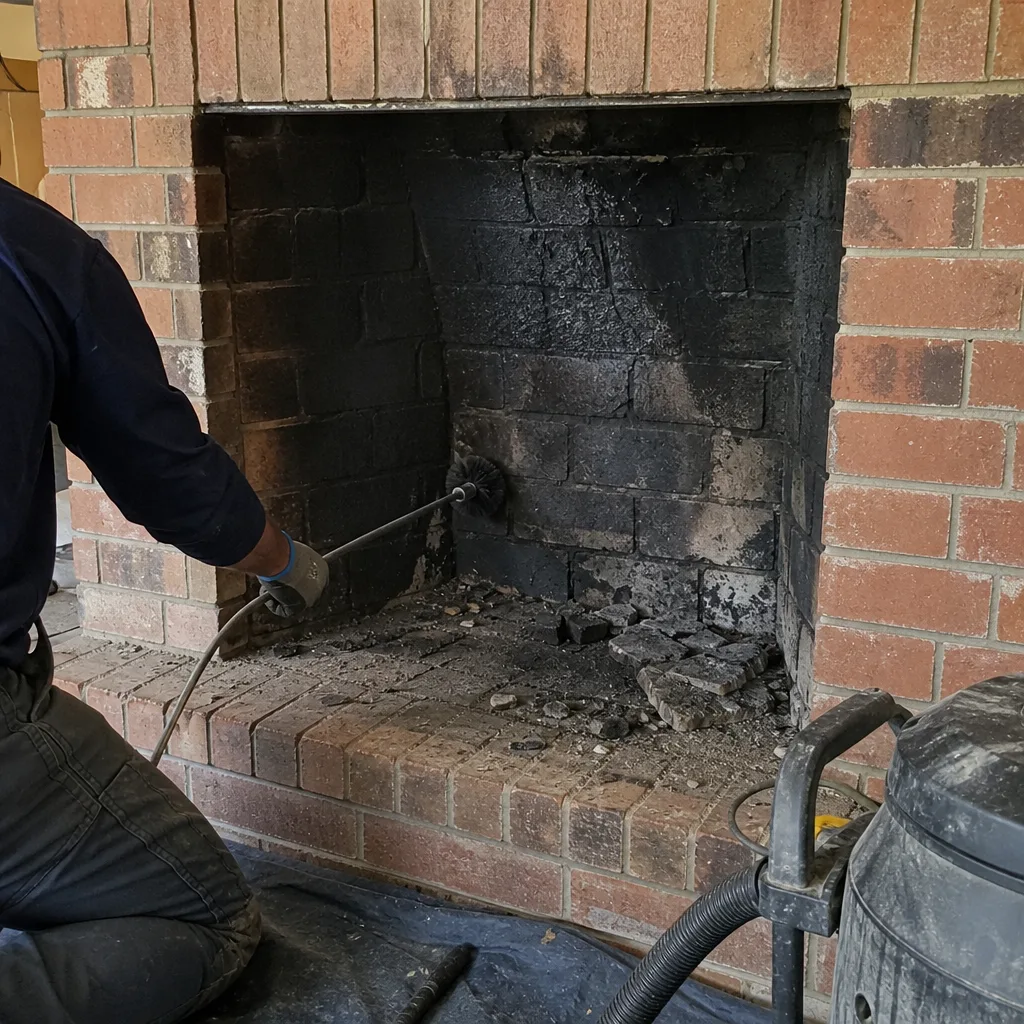 Before
 After
 Before
 After
Frequently Asked Questions
Close the damper, get everyone out of the house, and call 911 from outside. Don’t open windows to “air it out” and don’t spray water into the firebox. Once the fire department clears the scene, schedule a Level 2 inspection before you use the fireplace again. Call (855) 974-6812 for an exact quote on that inspection.
We don’t publish a flat number because a sweep is a per-job price, and the written estimate sets the final cost. What we can tell you is that the estimate is free, and there’s no service-call or trip fee. Every estimate is written before any work begins, and we don’t recommend a repair you can’t see the evidence for. Call (855) 974-6812 to book yours.
Not always, but you need an inspection to know. A flue fire can leave the liner intact, cracked, or delaminated, and the only way to tell is with a camera run top to bottom. If the liner is sound, we’ll tell you so and won’t sell you a replacement. If it’s failed, we install DuraFlex stainless systems and HeatShield resurfacing is an option for flues that are pitted but not cracked through. Call (855) 974-6812 for an honest assessment.
Once a year if you burn wood regularly. North Texas winters are mild enough that many homeowners burn less often than they would up north, but creosote accumulates based on how much you burn and what you burn, not on how cold it gets. A flue that was clean two years ago isn’t necessarily safe today. Call (855) 974-6812 to get on a yearly schedule.
Creosote builds in layers, and the layered, glazed creosote ignites at lower temperatures and burns hotter. That’s how most flue fires start. A blocked or restricted flue also backs smoke and CO into the room, which is a bigger deal when a gas appliance is venting through the same chimney. Call (855) 974-6812 and we’ll get you on the schedule before burning season.
Close the fireplace doors or screen to keep it in the firebox, close the damper, open an exterior door nearby, and let it leave on its own. Don’t try to grab it. Once it’s out, call (855) 974-6812 so we can inspect the flue and cap before you light a fire. A damaged cap is almost always how the animal got in.
The Bottom Line
Chimney emergencies in Garland are predictable, and the predictable ones are preventable. A flue fire needs a closed damper, a call to 911, and a Level 2 inspection before the fireplace is used again. A gas appliance venting problem needs to be caught before the CO detector sounds, because the symptoms are easy to wave off. A blocked flue needs a 30-second draft check before the first fire of the season, not after smoke fills the room. Nearly every one of these scenarios starts with creosote that built up or damage that went unseen. An annual sweep, a camera inspection every few years, a working CO detector, and a dryer vent cleaning at the same visit cover the vast majority of what could go wrong. We’ve been serving Garland since 2016, and the homes that stay safe are the ones that treat maintenance as a routine, not an emergency response.
If you’re not sure where your chimney stands, start with a call. Dayspring Chimney Sweep offers free estimates and can schedule your Dayspring Chimney Sweep visit. Call (855) 974-6812. We answer 24/7. Fast dispatch from 7am to 7pm, Sunday through Friday.
Written by the team at Dayspring Chimney Sweep, serving Garland since 2016.