
Last updated November 14, 2026
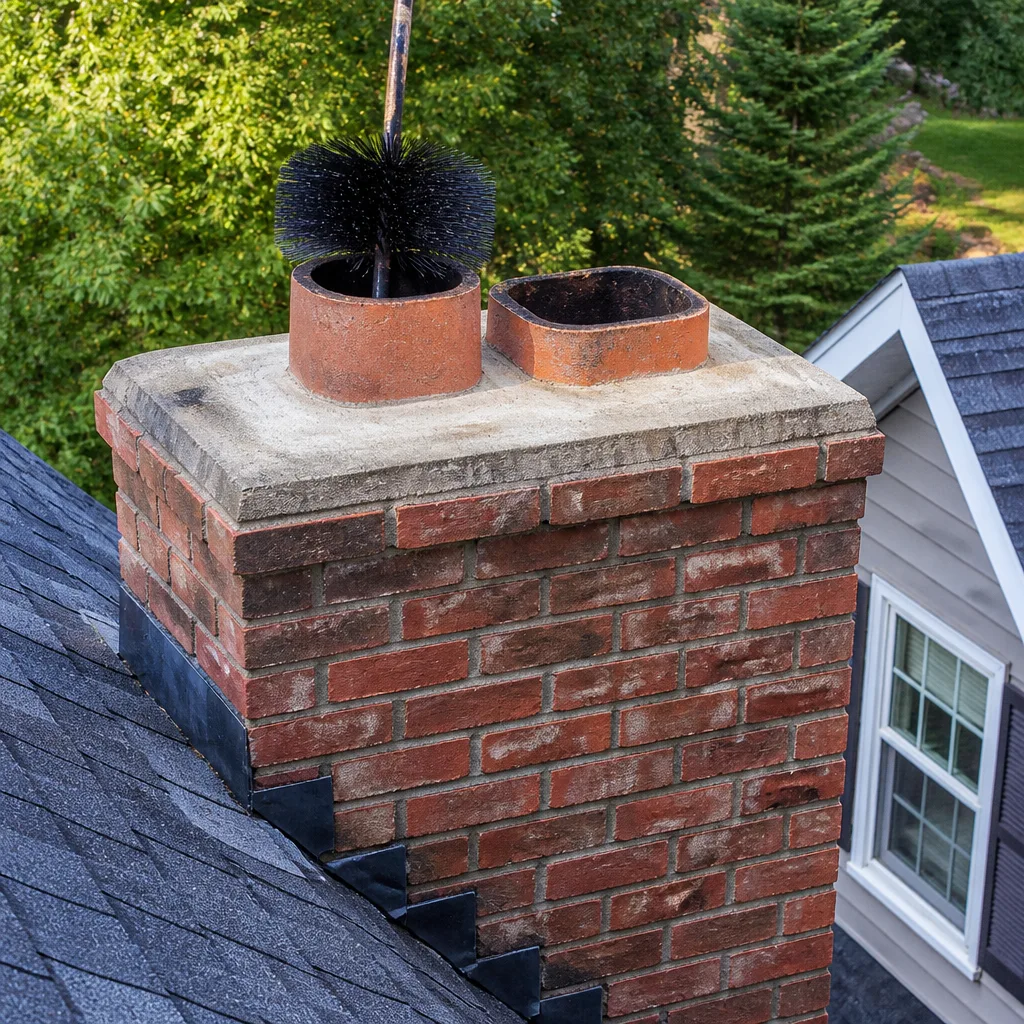 Sweep & inspection
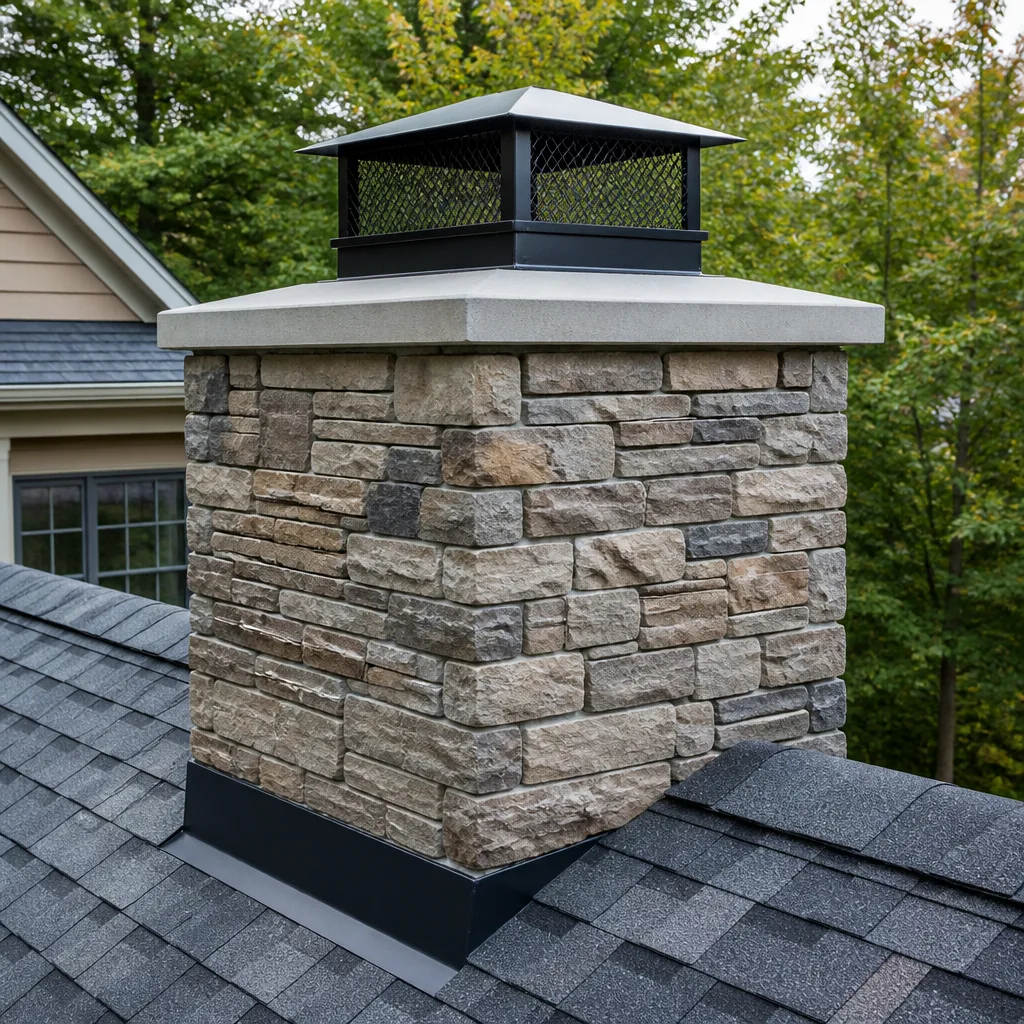 Caps & crowns
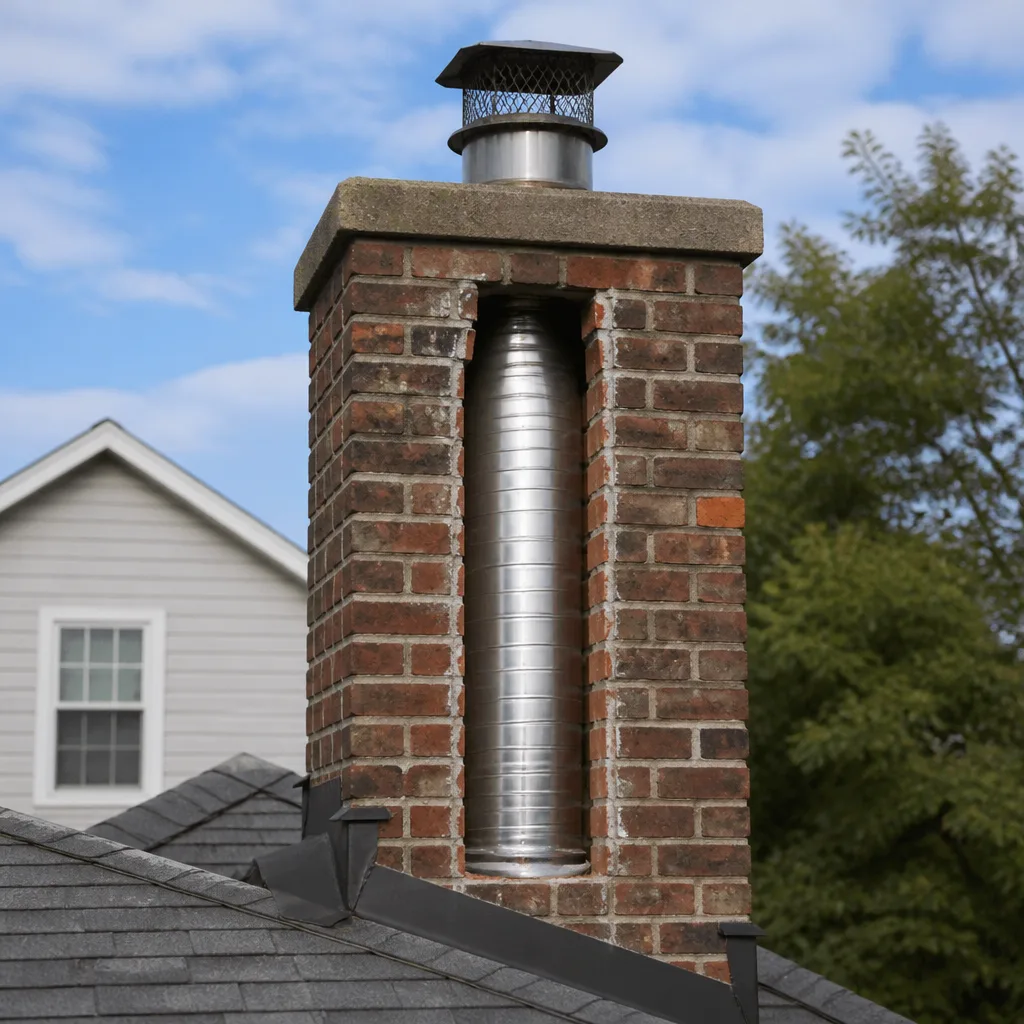 Flue relining
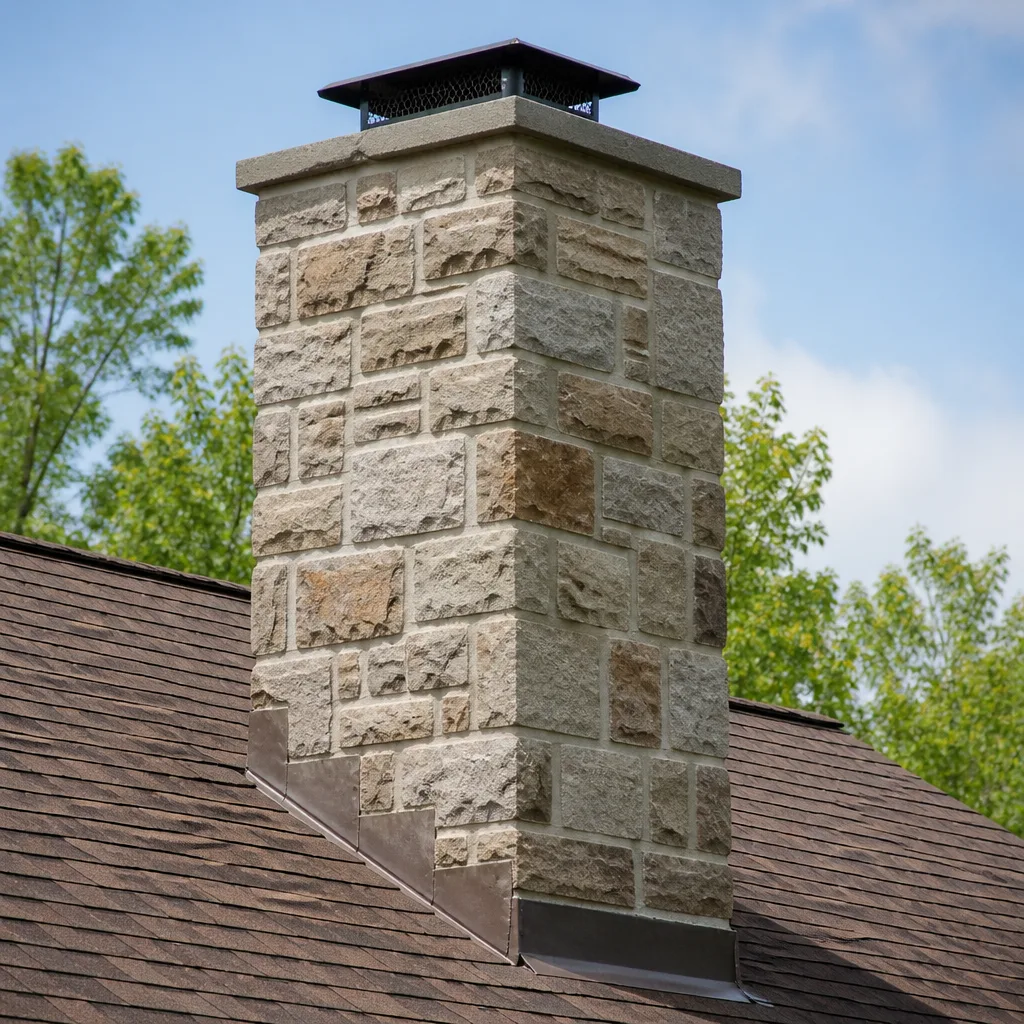 Masonry repair
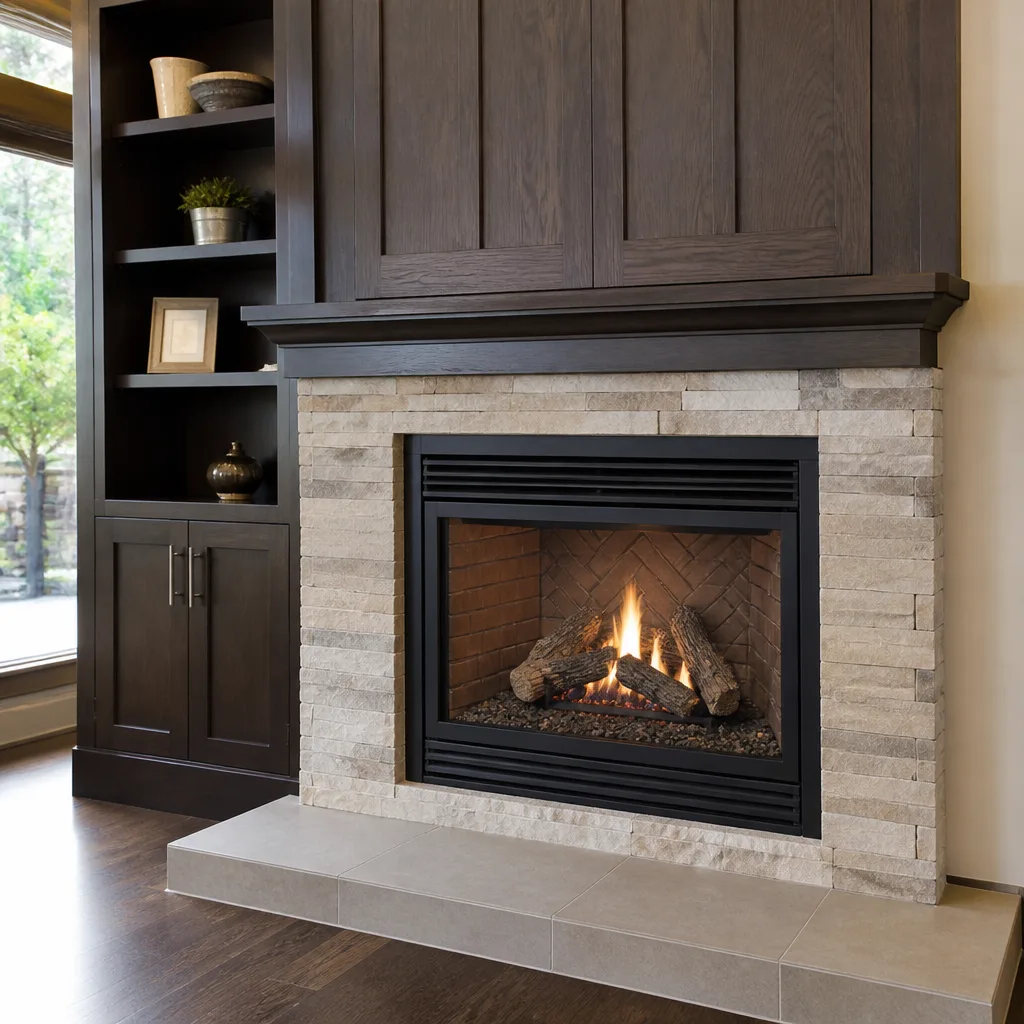 Gas fireplace service
Level 1 sweep and inspection to the NFPA 211 annual standard - flue, crown, cap, and flashing checked and photographed
Chimney sweep logs do not sweep chimneys. They loosen some creosote - which then falls where a brush and vacuum still have to collect it.
Seasonal Chimney Cleaning Care for Garland: Year-Round Homeowner’s Guide
Most chimney advice you’ll find online was written for cold places. Schedule before winter, clear snow from the cap, watch for ice dams. Garland doesn’t work that way. Our hottest, most humid months do more damage to a chimney’s mortar and liner seals than winter ever does, and by the time the first cool front pushes through in October, a chimney that sat untouched since spring is already carrying corrosion it didn’t have in May. The risk peaks in fall. The damage happens in summer. That gap is why so many Garland homeowners discover problems at the worst possible moment.
This guide walks through all four seasons of chimney care for Garland specifically: what our climate does to your system month by month, why September is the smartest time to schedule, and what to do about a flue that’s been sitting dormant for a year. It’s a seasonal rhythm, not a once-a-year chore.
Quick Answer
In Garland, chimney care follows the opposite of the national pattern: damage accumulates through summer heat and humidity, and the real risk shows up in fall. The best window for a sweep and inspection is September, after the burn season ends and before cooler weather returns. Spring cleaning matters too, because leftover creosote exposed to summer moisture turns acidic and attacks metal components. Schedule twice a year if you burn regularly: a post-season sweep after you stop using the fireplace and a pre-season check before you start again.
Styles & brands we work with
- Sweep & inspection
- Caps & crowns
- Flue relining
- Masonry repair
- Gas fireplace service
Table of Contents
- Why Garland’s Climate Stresses a Chimney Differently
- What Summer Does to Your Chimney Between June and September
- Spring: The First Job After the Burn Season
- Why September Is the Right Month for a Sweep in Garland
- The Dormant Flue: What Happens After a Year Without Use
- Winter Readiness and the Occasional Hard Freeze
- How Often Garland Homeowners Should Schedule Service
- Closing the Loop: Bringing Your Chimney Back to Safe Operating Condition
Why Garland’s Climate Stresses a Chimney Differently
The standard chimney story is about cold. Cold drives condensation inside a flue, cold freezes standing water in a crown, cold makes metal liners contract and pull against their seals. Garland doesn’t have much of that. What Garland has is heat, humidity, and long stretches where the outdoor air is doing something to your chimney whenever the fire isn’t running.
Think about the physical situation. Masonry is porous. Mortar joints hold moisture. A crown – the concrete or mortar slab that caps the chimney at the roofline – is designed to shed water away from the flue, but only if it’s intact. During the summer, the air around a Garland chimney is often holding more moisture than the masonry wants. When the outdoor temperature climbs and the chimney heats up on a sun-facing wall, moisture in the mortar and crown expands. When the evening cools back down, it contracts. That cycle repeats most days for three months.
Here’s what makes our climate distinct from a colder city:
- Long warm seasons mean long wet-dry cycling. Mortar and concrete that would freeze and thaw a handful of times per winter instead go through dozens of thermal cycles in summer, each one opening hairline cracks a little wider.
- Humidity targets metal components. A metal liner flange, a damper frame, a top-mount chase cover – any steel inside or near the flue is exposed to moisture-laden air for months. Corrosion starts quietly and works continuously.
- Air conditioning runs opposite to the chimney. When the house is cool and the attic is hot, the chimney’s own air column may not move the way it does during a burn cycle. Stagnant, humid air sits inside the flue for weeks. That’s where dormant problems get worse.
- The rainy stretches of spring and fall push water into the same cracks. Anything that opened in summer collects moisture in fall.
None of this is visible from the ground. A chimney inspection at the roof, with a look down the flue and a look at the crown, is the only way to know what a Garland summer has done.
What Summer Does to Your Chimney Between June and September
If you’re a Garland homeowner with a working fireplace, summer is when the damage happens and when almost nothing gets checked. Here’s the specific list of what to worry about during those long hot months.
Mortar joints
Mortar at the crown, at the shoulders of the chimney, and in the brick courses near the top, is the most weather-exposed masonry on the house. The repeated expansion and contraction described above starts as a fine crack. By mid-August, a joint that was solid in May may have a visible gap. Left through another season, water enters that gap, the joint softens, and the brick itself starts to spall. That’s the point where a resurfacing job becomes a rebuild.
The crown
The crown is a slab of protection, and it takes the full impact of direct sun. A summer in Garland is months of UV and moisture cycling. Small cracks in a crown let water travel laterally into the masonry below rather than shedding off the top. This is the single most common failure we look for between June and September, and it’s the one that shows the clearest benefit from early repair.
Liner seals
A metal liner – like the DuraFlex systems we install – relies on proper seals at the top plate and at the appliance connection. Heat cycling in summer softens sealant, and the difference between a cold night and a hot attic can cause a slight movement in the plate. Once a seal cracks, the liner is no longer doing the full job it was designed for. Visible symptoms are not always obvious; a camera inspection inside the flue is what reveals them.
What to check yourself
You can do a safe visual from the ground, without climbing:
- Look at the crown from the yard with binoculars. A crown that looks powdery, has visible cracks, or has lost its plane (you see a dip) needs a closer look.
- Look at the top few brick courses. Cracked mortar, loose bricks, or white powdery staining on the brick are signals that moisture has been doing its work.
- Look at the chimney cap or chase cover. A loose cap lets water straight into the flue.
- Note any musty or smoky smell inside the house near the fireplace, especially when the air conditioning is running and the fireplace is not lit. That’s a sign the flue is moving air backward and pulling outside humidity into the house.
This short checklist is not an inspection. It tells you whether to book one. If any of the four lines above raises a question, that’s a call worth making.
Spring: The First Job After the Burn Season
Your last fire of the season is the most important moment in the whole chimney calendar. Everything that’s sitting on the interior flue walls after the burn season – creosote, soot, ash – stays there unless you sweep it. And in Garland’s climate, “stays there” is a problem.
Here’s why. Creosote is a collection of combustion byproducts, and a portion of it is water-soluble and reactive. When summer humidity pushes damp air through a flue full of creosote, that creosote interacts with the moisture and becomes acidic. Acids attack the point where they sit. Inside a stainless flue liner, the acid attacks the metal surface. On a clay tile flue, it attacks the mortar between tiles. On a masonry flue with no liner, it attacks the brick itself. Over one summer this is slow. Over three summers without a sweep, it’s a liner that needs replacement instead of a liner that still had years left.
The spring job is simple:
- Stop burning when the weather turns and note the date. In Garland that’s usually somewhere in the spring shoulder season, but the useful habit is to decide, not to guess.
- Book a sweep within a few weeks. A sweep in spring removes the creosote while it’s dry and before summer moisture has a chance to react with it.
- Get a top-to-bottom inspection on the same visit. If the winter’s burn cycle has left a visible liner crack or a crown flaw, you find it now, not in October, and you have all summer to plan and schedule the repair.
- Have the dryer vent checked in the same call. Lint that builds up in the dryer exhaust is the other fire-hazard venting system in the house, and treating both in one appointment is how we structure our visits.
A spring sweep is the cheapest way to protect a chimney that still has useful life in it. It’s also the one scheduling habit that most Garland homeowners haven’t tried yet.
Why September Is the Right Month for a Sweep in Garland
Most chimney guides say to schedule before winter. That’s true anywhere. In Garland, “before winter” actually means September, and scheduling in October or November puts you behind in three specific ways.
One: the summer damage is now visible. By September, the thermal cycling of a Garland summer has made its mark. Cracks that were hairline in July are now readable on a crown. A mortar joint that was tight in June shows a visible opening. Inspecting in September gives you an accurate picture of what the summer actually did, rather than a pre-summer snapshot.
Two: repairs can be planned calmly. A September inspection that finds a crown that needs resurfacing or mortar that needs repointing gives you weeks to schedule the work before the fireplace is in use. An October inspection is a scramble. A November inspection is often a choice between using the fireplace anyway and skipping the season.
Three: you’re not competing for the calendar. The last quarter of the year is the busiest stretch for any chimney service in North Texas. A New York homeowner has to worry about ice and cold snaps. A Garland homeowner mostly has to worry about wanting the fireplace working by the holidays. That’s a scheduling problem, and September is the answer.
Here’s how to structure a September call:
- Book a full chimney sweep and inspection for the earliest slot when the weather starts to cool.
- Ask for the inspection to include the crown, the top brick courses, the flue interior (with a camera), the damper, and the firebox.
- If repairs are needed, ask for the specifics, ask to see photographs from the inspection, and ask what happens if the repair waits until spring.
- If the dryer vent has never been cleaned in the current ownership of the house, add that to the same visit. Two fire hazards, one appointment.
September isn’t a rule. It’s a rhythm. In our experience serving Garland, the homeowners who schedule in September consistently start each burn season with a system that’s been looked at, and they avoid the last-minute October-and-November crunch entirely.
The Dormant Flue: What Happens After a Year Without Use
A chimney that hasn’t had a fire in a year is not a chimney that’s safe. It’s a chimney that hasn’t been tested. That distinction matters more in Garland than in a cold city, and here’s why.
In a place with a hard winter, a dormant flue is dry for months. In Garland, a dormant flue is exposed to humid summer air for months without the airflow of a fire to move moisture through. The result is a flue that has sat with humidity condensing and re-evaporating inside it, repeatedly. Particular hazards:
- Old creosote is still there. If the flue wasn’t swept before it went dormant, whatever was on the walls a year ago is still on the walls. It’s now soaked and dried multiple times, and it’s a fire hazard if the fireplace lights.
- Nests and debris. Birds, squirrels, and wasps find a dormant chimney attractive. A cap that’s partially damaged lets entry. Debris that accumulates in the flue blocks the exhaust path, and a blocked flue is the classic setup for carbon monoxide backing into the house when the fireplace is lit.
- A crown that’s been hammered for a year without anyone looking. If the crown was marginal when the chimney went dormant, a full summer has made it worse.
- Seals that have relaxed. Metal liner seals and top plates that sat through dozens of thermal cycles without an active burn cycle tend to quietly loosen.
- Carbon monoxide risk that you can’t smell. The whole point of a flue is to vent combustion gases out of the house. If anything in the flue path is compromised after a year of dormancy, those gases have a way back in. A working chimney that’s been checked is safer than a dormant chimney that hasn’t.
The practical takeaway: a dormant flue needs a full inspection, not just a sweep. Before the first fire after a year of non-use, book a visit that includes a camera inspection of the flue interior and a look at the crown and top brickwork. That’s the safest way to bring a dormant system back into use. Our chimney sweep service in Garland includes this inspection on every visit.
Winter Readiness and the Occasional Hard Freeze
Garland winters are mild, but “mild” doesn’t mean “no freezing.” North Texas gets its hard freezes, and what a hard freeze does to a chimney is specific and worth understanding.
A freeze does the most damage to a chimney that already has an exposed weakness. The pattern is like this:
- Water sits in a crack that was opened by summer cycling. A hairline crack in the crown or mortar joint collects water from a rainy day. Normally it evaporates. Under freezing conditions it doesn’t.
- The water expands as it freezes, overnight. Only 24 hours below freezing is enough for water trapped in a shallow crack to expand and push the crack wider. It’s not the freeze that breaks the masonry; it’s the fact that the crack was there to collect the water.
- Twenty-four hours is enough. A Garland hard freeze doesn’t need to last a week. A single cold night following a wet day does measurable damage to a compromised crown or mortar joint.
- When it thaws, the widened crack is now bigger and takes in more water next time. The cycle accelerates if it repeats during the winter.
What that means practically:
- Deal with crown and mortar problems before the first freeze risk of the year. September and October are the natural window for this. A crown repaired in fall won’t have water sitting in its cracks when the freeze arrives.
- Check the chimney cap and chase cover heading into winter. A cap that’s lost its attachment lets water into the flue, and water in the flue at freeze time is the same problem with a longer path.
- Understand what a hard freeze does not do. It does not make an otherwise sound chimney fail. If your crown is intact and your mortar joints are tight, a 24-hour freeze is not a threat. The freeze reveals and accelerates pre-existing damage.
- Don’t burn a chimney that’s showing obvious cracks in the firebox or flue. Cold weather gets people lighting fires quickly. If you can see a crack from inside the firebox, or if the chimney has visible crown damage you haven’t had inspected, use a space heater until that’s looked at.
None of this is about being alarmist. Garland winters don’t require the level of chimney prep a colder city does. They require you to fix the small stuff before the freeze exposes it. That’s the whole strategy.
How Often Garland Homeowners Should Schedule Service
There’s a general rule of thumb for chimney sweeping, and it’s mostly right: sweep when creosote has built up to a measurable thickness, which for most regular users works out to about once a year. In Garland, that baseline needs a little adjustment.
Here’s the practical schedule we recommend for a household that uses the fireplace throughout the cooler months:
- A post-season sweep in spring (April or May). Removes creosote while it’s dry, before summer humidity has a chance to acidify it against the flue walls.
- A pre-season inspection in September or early October. Checks the crown, top brickwork, flue, damper, and firebox after the summer’s thermal cycling. Repairs identified here get scheduled and completed before the burn season.
- Dryer vent cleaning once a year. Ideally loaded into one of the other two visits. Lint accumulation in a dryer exhaust is a fire hazard on its own timeline, and treating it as part of annual chimney care is the cleaner habit.
A household that burns only occasionally, or that uses the fireplace mainly for atmosphere over a small number of evenings, may not need both visits every year. That’s a conversation for the inspection, not a rule. What we look at is creosote thickness, crown condition, and liner condition. If the answer is “come back next year,” that’s exactly what we’ll tell you.
Recently bought a house in Garland? The first service call after move-in is usually the most useful one. Before any fire is lit, get an inspection that confirms what shape the system is in. That’s the honest starting point for everything else. If you’re in the surrounding area, our Garland service page covers the specifics of how we work here.
Closing the Loop: Bringing Your Chimney Back to Safe Operating Condition
Every section above points at the same principle: a chimney is a system of parts working together, and seasonal care is about protecting each part in the season that stresses it most. Mortar and crown take the summer. Creosote takes the spring-after-burn window. The freeze in winter takes whatever the summer opened up.
That’s why Dayspring Chimney Sweep runs on three connected services rather than one. Sweeping is the entry point. Dryer vent cleaning, organized into the same visit, addresses the other venting system in the house that most homeowners only think about when it’s already a problem. And repair – with the professional brands like HeatShield, DuraFlex, Olympia Chimney, Famco, and Copperfield that trade-level contractors use – is what turns an inspection report into a working system instead of a list of concerns. Where a basic sweep company stops at the brush, we carry the parts and do the work in-house. That’s what the name refers to: bringing a system back to safe, clean operation, not just checking a box.
The other point worth making clearly: none of our recommendations come without evidence. If we tell you the crown needs resurfacing, we’ll show you the photographs from the camera inspection. If we tell you the liner is intact and the sweep is all you need this year, that’s what your invoice says. In our experience, most chimney anxiety comes from homeowners being told about work they have no way to verify. We work the other way around: see it first, then decide.
Common Mistakes to Avoid
- Waiting until October or November to book. In Garland, the summer has already done its work by early September. Booking late means the repair window before the burn season is compressed, and the calendar is full. Schedule in September when the thought first crosses your mind.
- Assuming a mild climate means chimney care is optional. The thermal cycling a Garland summer puts a crown through is harder on masonry than a short cold spell. “Mild” refers to the winter, not to the chimney’s experience of the year.
- Skipping the spring sweep because you’re “not using it right now.” Creosote doesn’t need a fire to keep working against the liner. It needs moisture, and Garland summer air is full of it. The sweep is the cheapest insurance against a liner replacement.
- Lighting a dormant chimney without an inspection. A year without a fire is a year of nesting birds, humidity cycles, and unknown seal condition. The inspection is not optional. A camera look down the flue, and a look at the crown from the roof, is what makes the first fire safe.
- Judging the chimney from the ground and calling it fine. Crown cracks, mortar joint openings, and liner seal failures are rarely visible from the yard. A binocular look tells you whether to book an inspection; it doesn’t substitute for one.
- Treating chimney care and dryer vent cleaning as separate projects. Both exhaust vents are fire hazards, both need periodic service, and both can be handled in one appointment. Booking them separately means one of them gets skipped – usually the dryer vent.
- Assuming a new house means a known chimney. A recent purchase in Garland comes with a history you don’t know. The most useful thing a new owner can do is confirm what the inspection actually shows before the first fire, especially if the previous owner wasn’t sure when the chimney was last serviced.
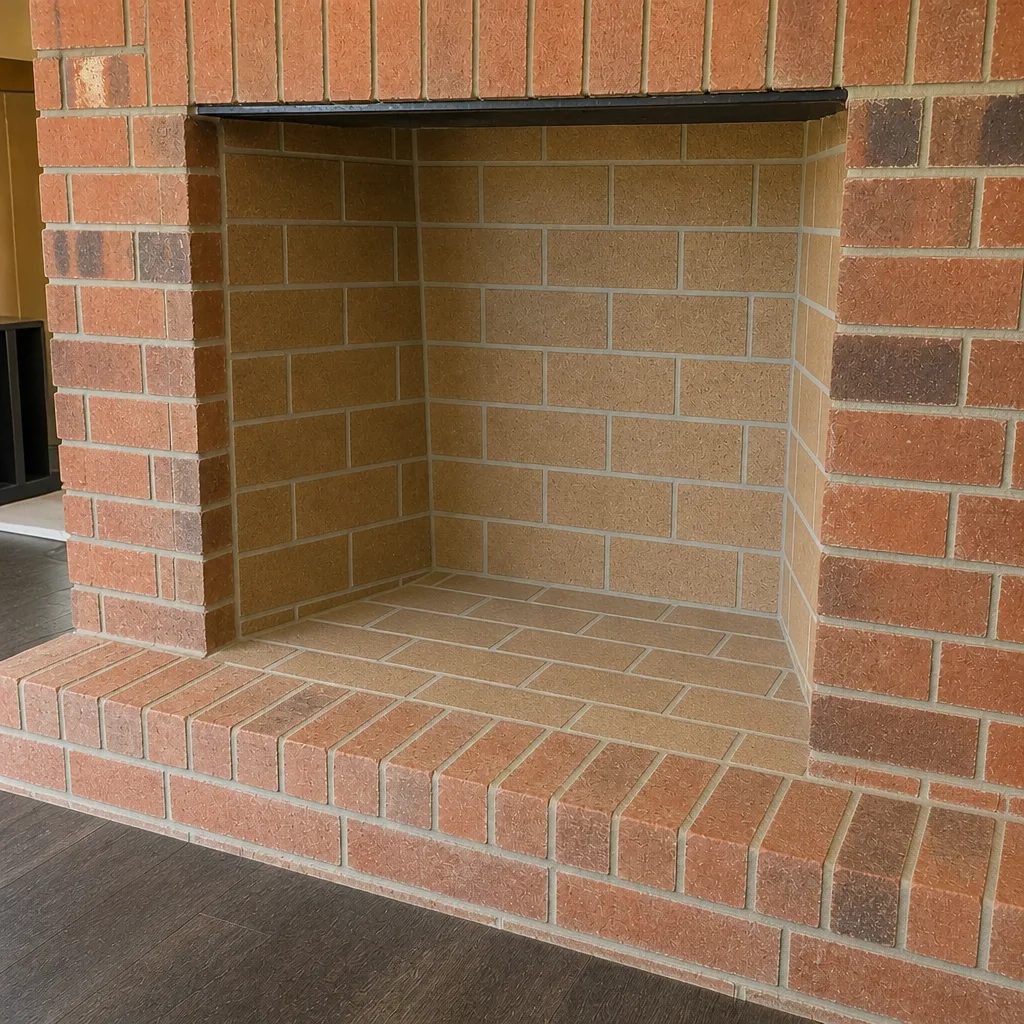
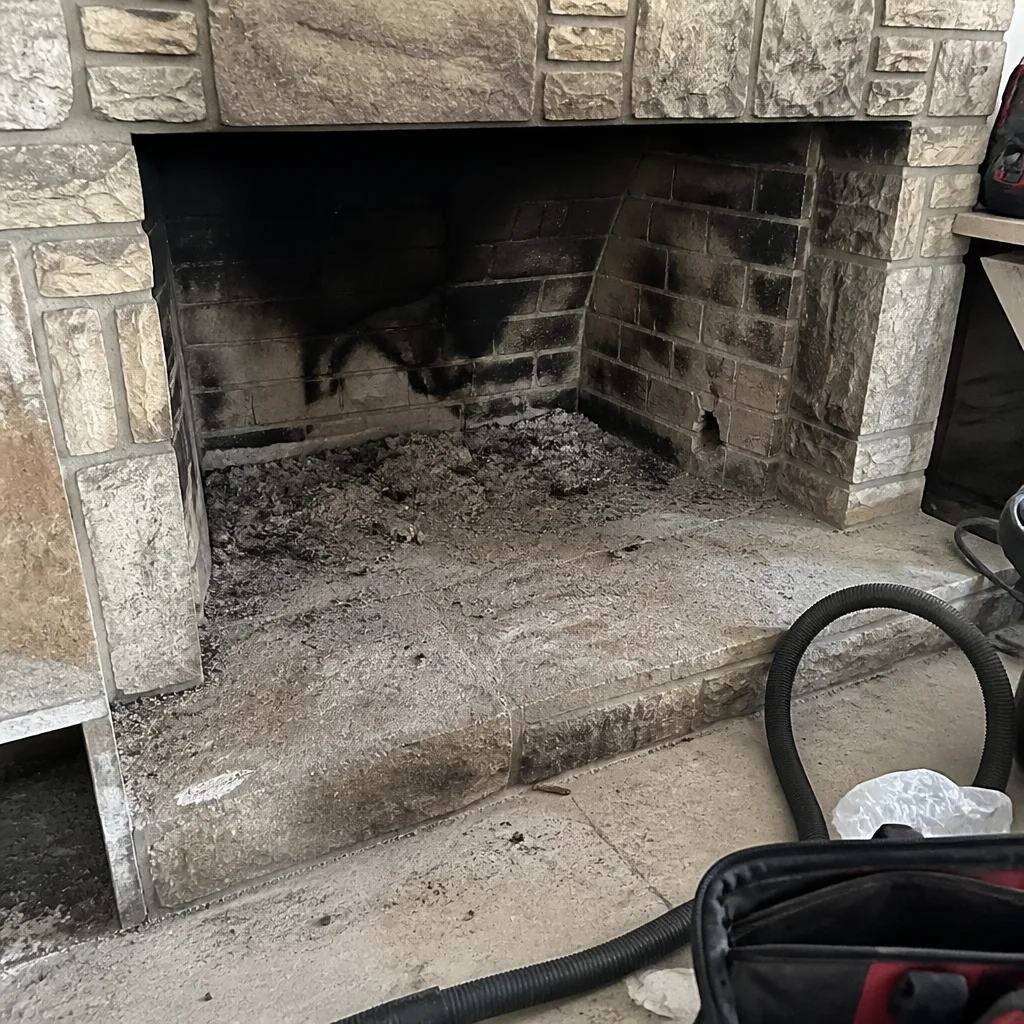
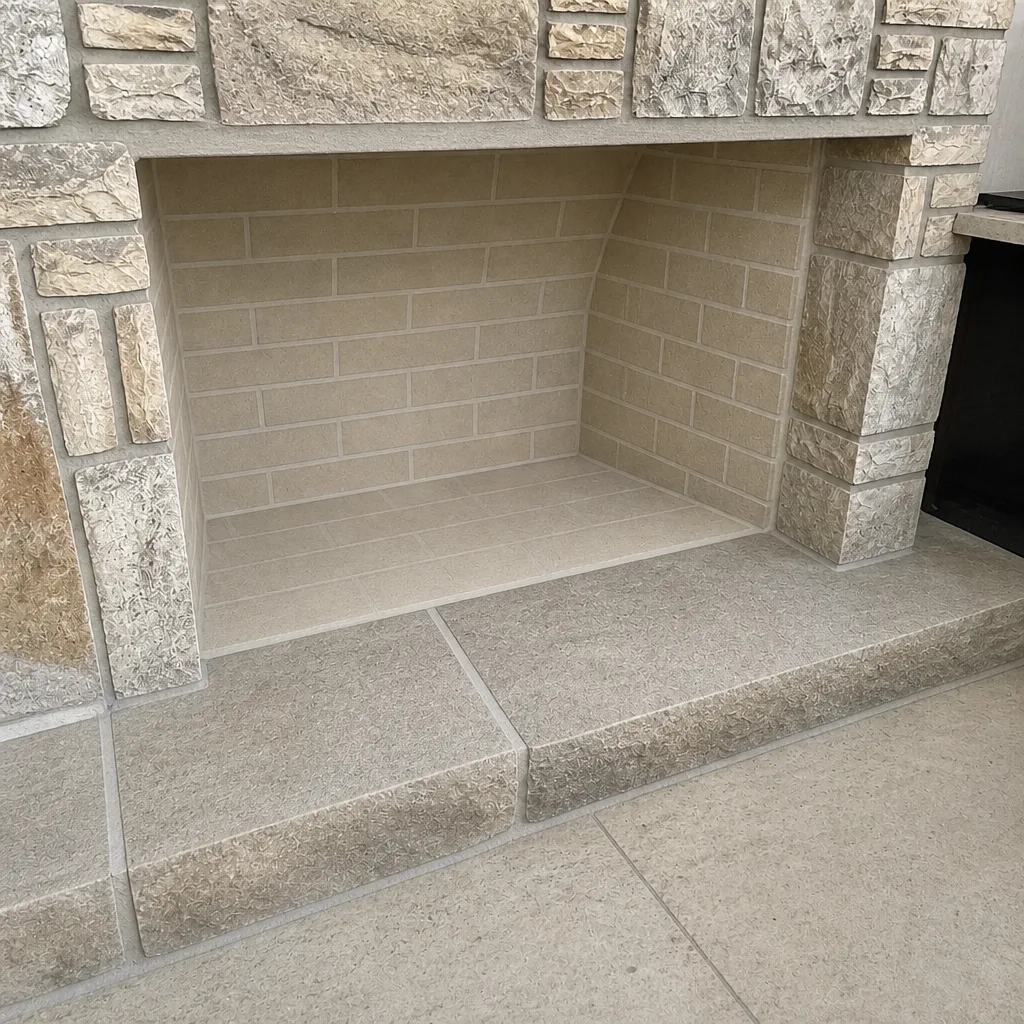
See the difference
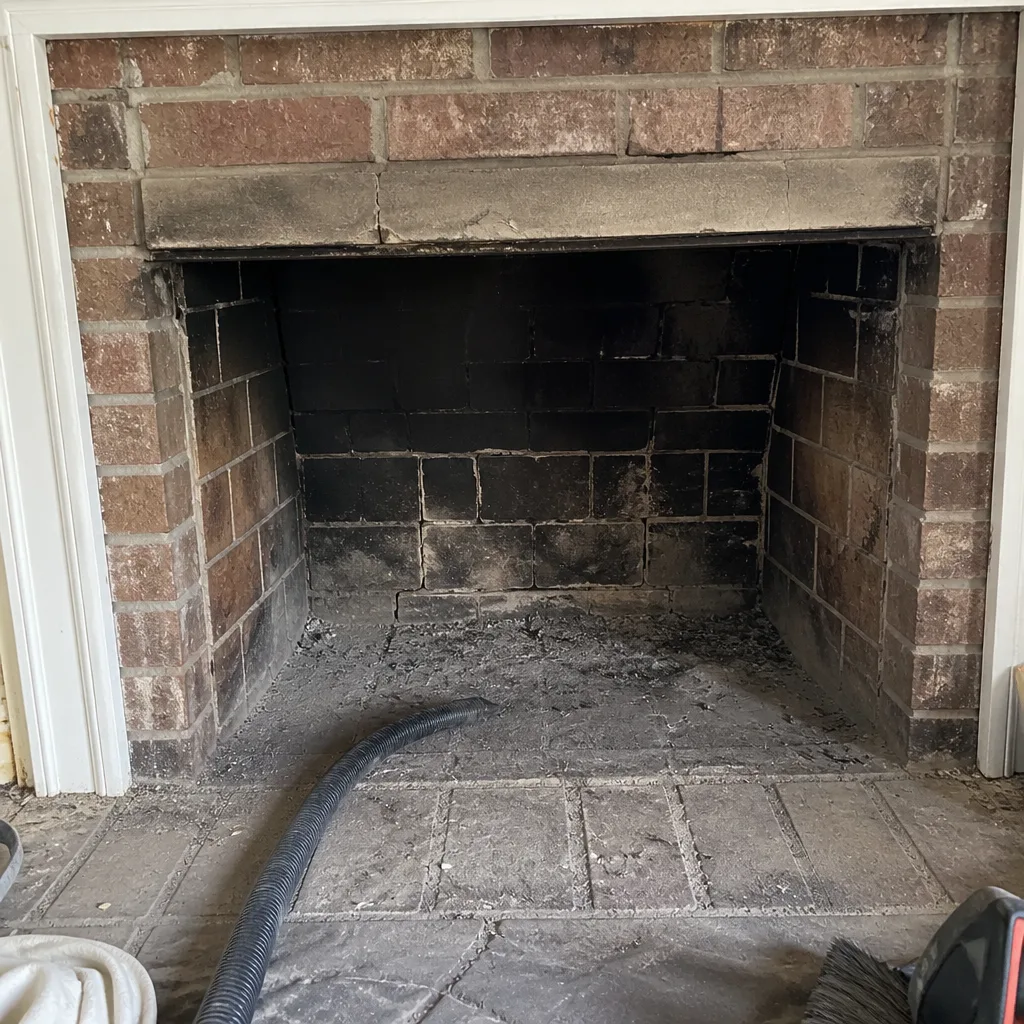 Before
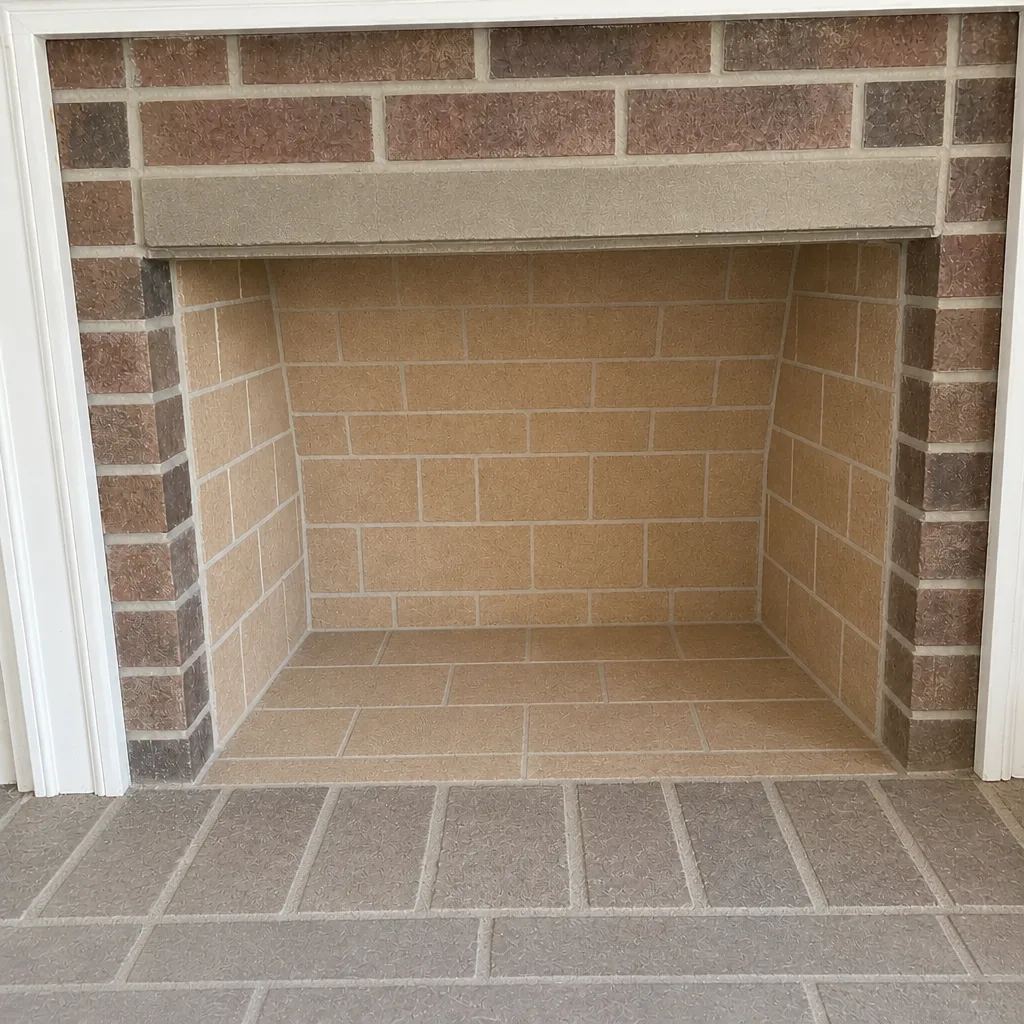 After
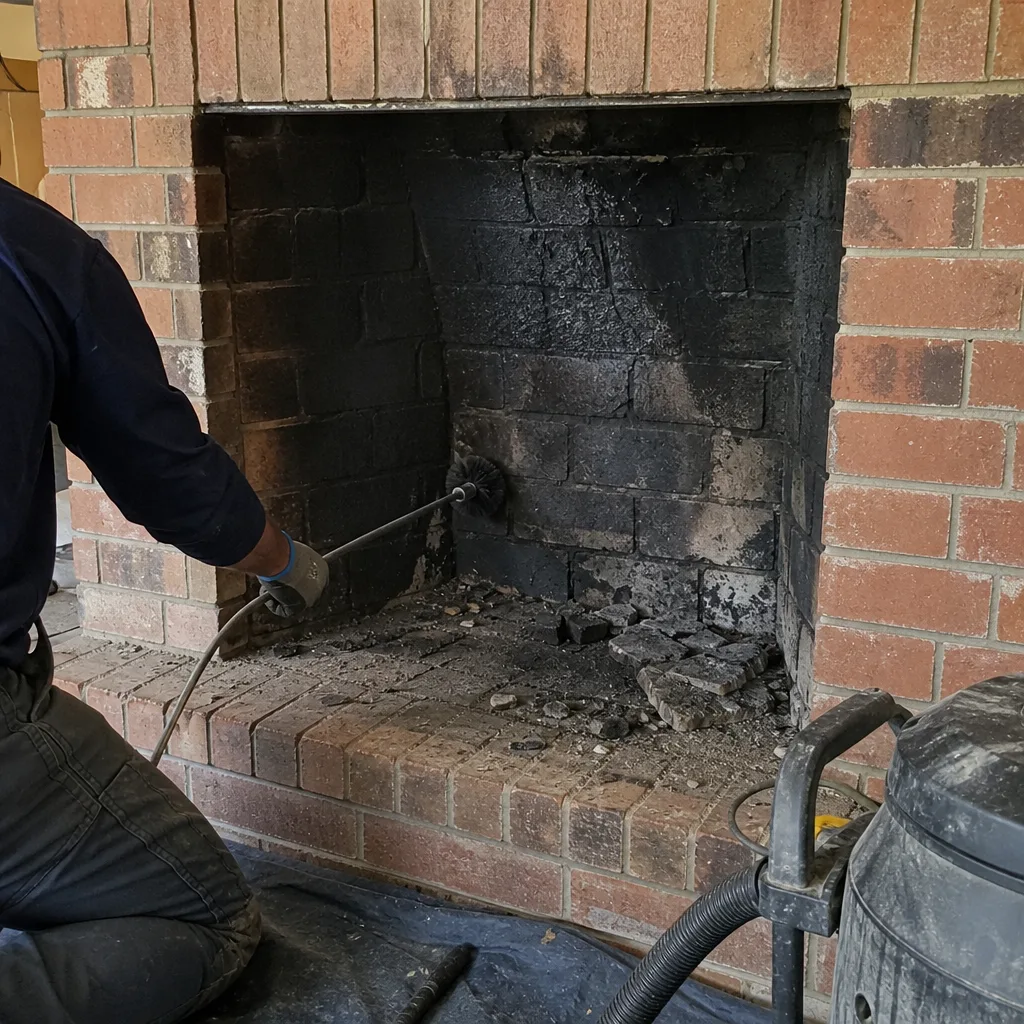 Before
 After
 Before
 After
When to Call a Professional
Some seasonal tasks are observational: walk around the yard, look at the crown with binoculars, note the smell near the fireplace. But some things require a trained set of eyes on the roof and a camera down the flue, and getting those wrong matters.
Call when you see a crack in the crown, visible damage to the top brick courses, a loose cap, a crack in the firebox, or white powdery staining on the brick. Call before a dormant chimney’s first fire, before the first cold snap if the chimney hasn’t been inspected since spring, and any time you smell smoke inside the house when the fireplace is lit. Call if you’ve never had the chimney serviced and you don’t know its history. Call if you notice the dryer taking longer to dry clothes.
Dayspring Chimney Sweep offers free estimates in Garland – call (855) 974-6812. We answer 24/7. Fast dispatch from 7am to 7pm, Sunday through Friday.
Frequently Asked Questions
For most Garland households that use the fireplace regularly, once a year is the baseline, with the sweep timed to spring right after the burn season. Add a September inspection before the next burn season so the summer’s effect on the crown and mortar gets checked. A household that only lights the fireplace occasionally may not need both visits every year; the inspection tells you which pattern fits.
Because the summer is a long series of wet-dry and hot-cold cycles. Mortar, crown concrete, and metal liner seals expand and contract repeatedly across a season, and every cycle opens small cracks a little more. A Garland winter is short and mostly mild, so its mechanical stress on the chimney is brief by comparison. The damage accumulates in summer; the risk peaks in fall when the fireplace comes back into use.
Not safely without an inspection first. A dormant flue in Garland collects moisture, debris, and sometimes nesting material, and its liner seals may have loosened from thermal cycling. A camera inspection and a look at the crown is the safe starting point before the first fire. It’s also the cheapest way to find out whether a full sweep is needed or just an inspection.
For scheduling, yes. September gives you an accurate read on the summer’s effects and enough lead time to schedule any repairs before the burn season starts. October and November are the busiest stretch for every chimney service in the area, so the calendar is tighter and repairs are harder to slot in. Any month is better than none, but September is the smart window.
The creosote left on the flue walls from the last burn season reacts with summer humidity and becomes acidic. Through the warmer months it sits against metal liner surfaces or mortar joints, and over time it corrodes or softens them. Nothing dramatic happens in one summer, but three summers of skipping the sweep is where you go from a sweep to a liner replacement. A dryer that stays hot and takes longer to dry clothes after a long stretch is a separate but related warning from the other vent.
Yes, because lint buildup in the dryer exhaust is a fire hazard on the same level as creosote in a chimney. Loading dryer vent cleaning into the same appointment as a chimney sweep means both of the primary fire-hazard venting systems in the house get serviced together. It’s the easier habit, and neither one gets skipped.
The Bottom Line
Chimney health in Garland is a summer story more than a winter one. The hours of summer heat and humidity are what push mortar joints and crowns toward failure, and the fall season is when those failures become risky. If you do two things this year, sweep in spring to clear creosote before the damp months, and inspect in September to see what the summer opened up. If the chimney has been dormant for a year, don’t skip the pre-use inspection. If the house is a recent purchase, get a baseline before the first fire. And if you’re not sure whether the crown has failed, whether the liner is compromised, or whether the dryer vent is overdue, the answer is simpler than you think: get the inspection, see the photographs, and make the call with real evidence on the table.
Call (855) 974-6812 for a free estimate on your Garland chimney, or on both venting systems in your home. We answer 24/7. Fast dispatch from 7am to 7pm, Sunday through Friday.
Written by the team at Dayspring Chimney Sweep, serving Garland since 2016.