
Last updated November 14, 2026
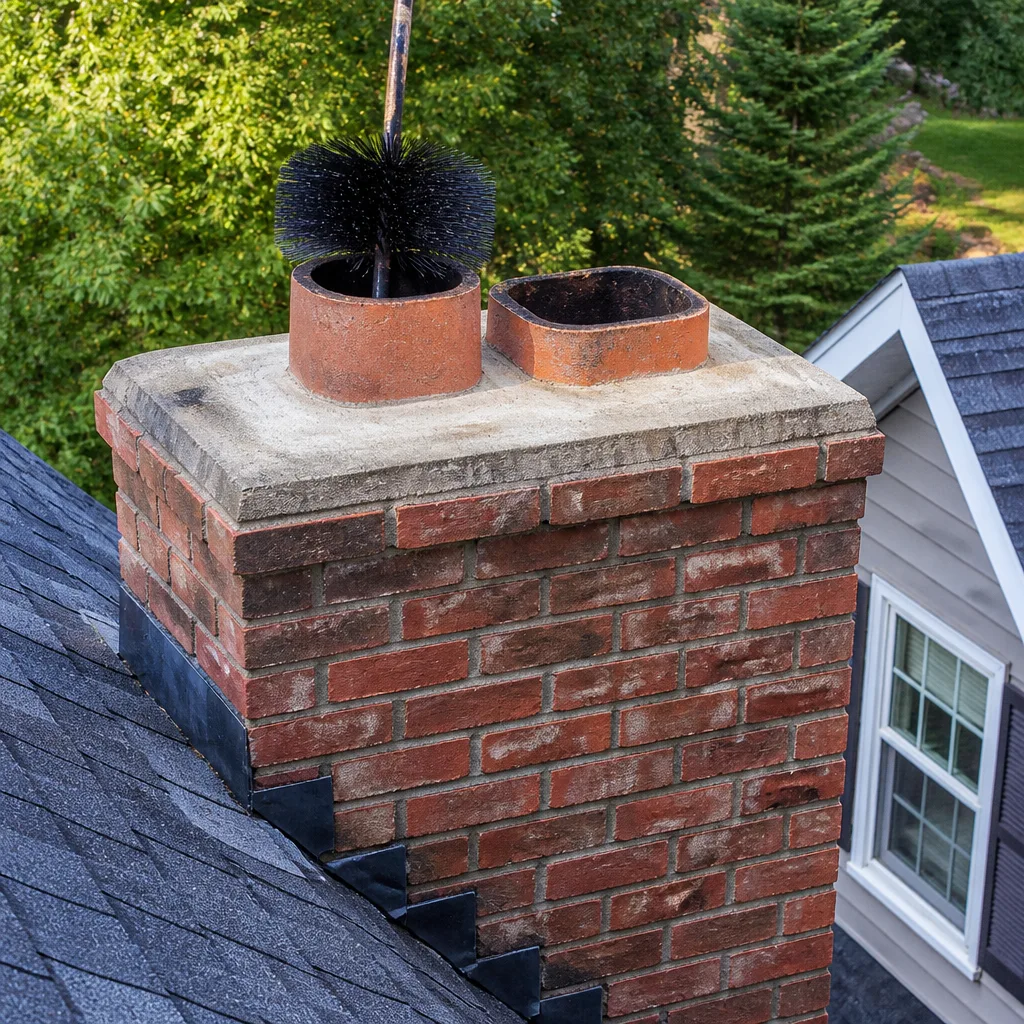 Sweep & inspection
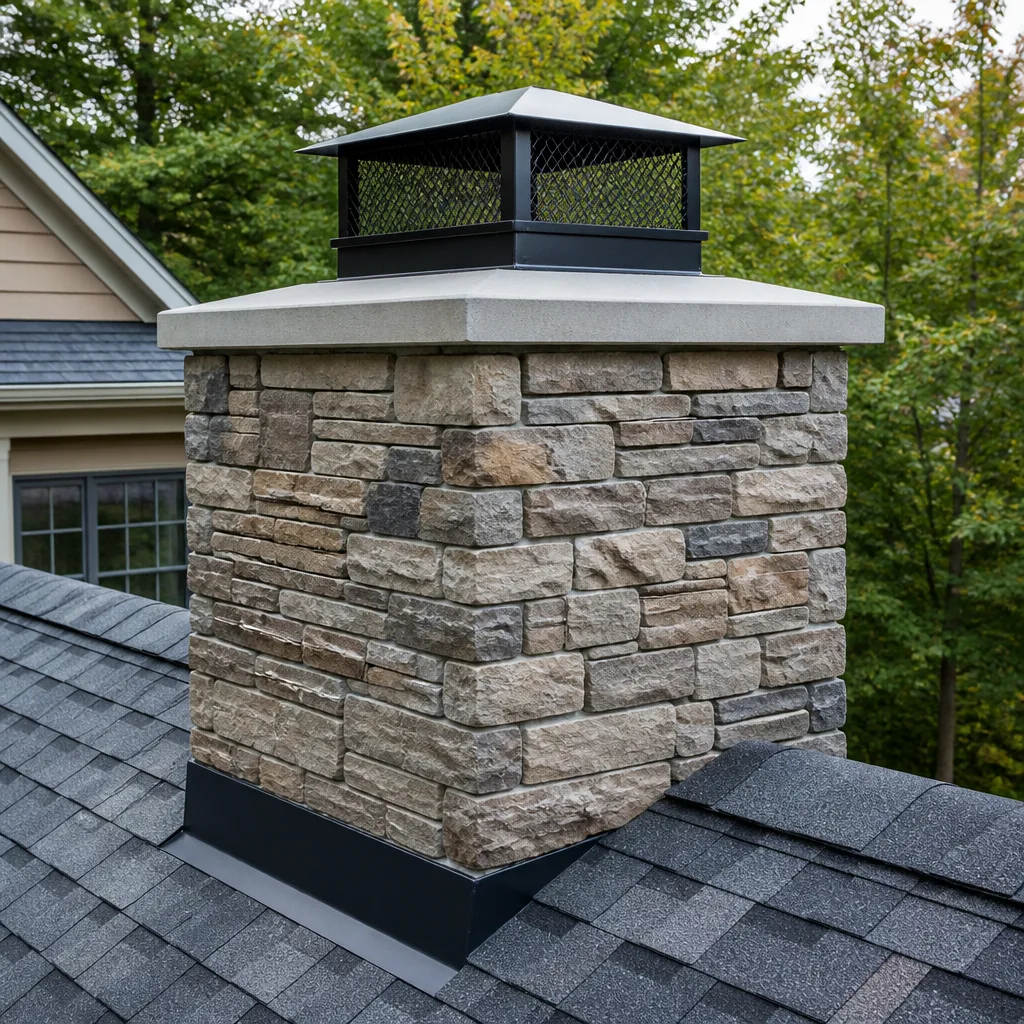 Caps & crowns
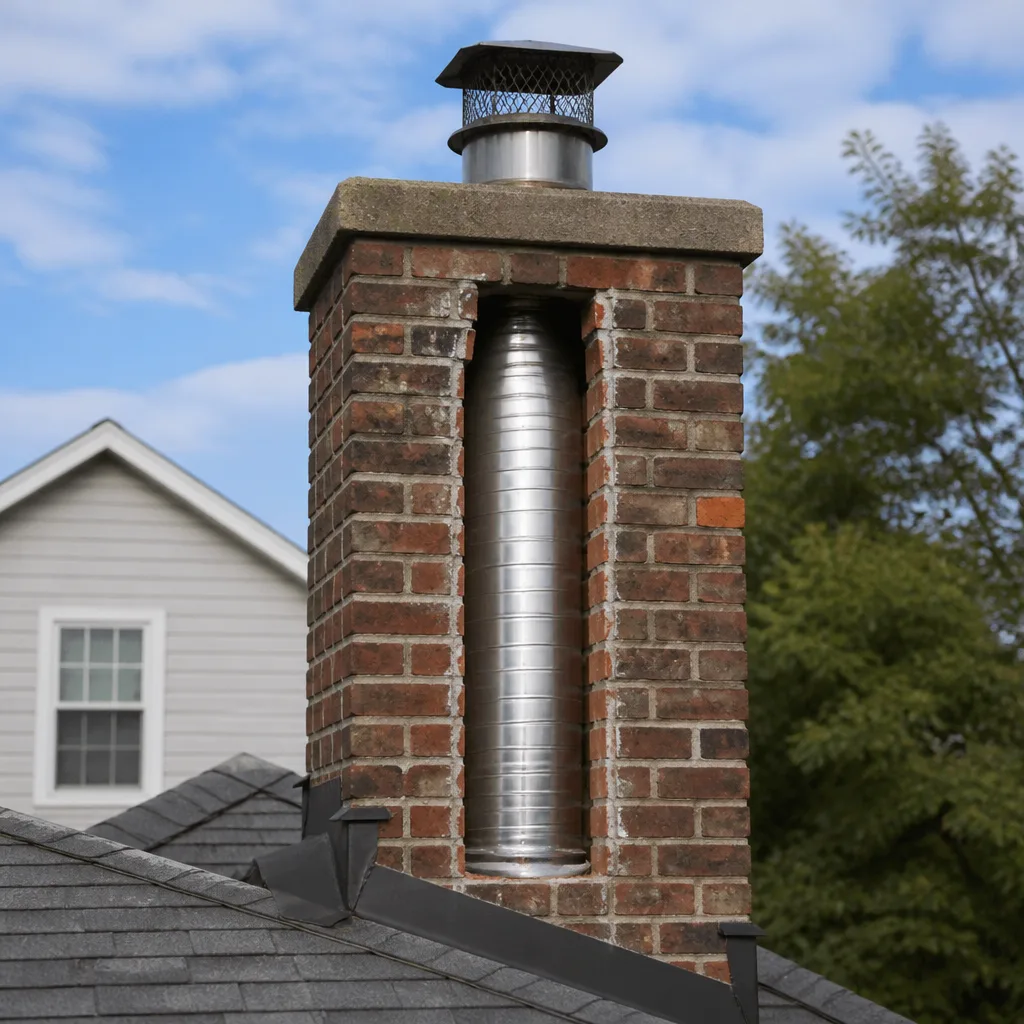 Flue relining
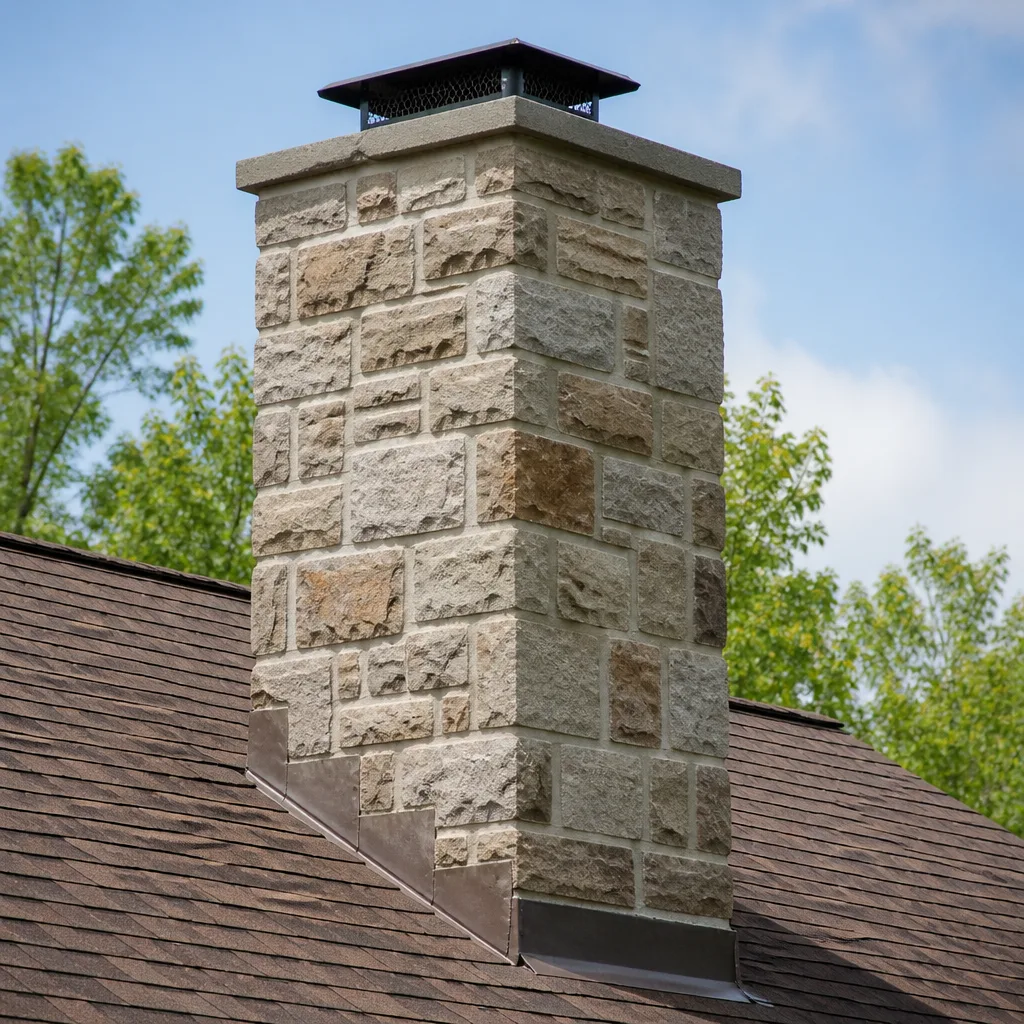 Masonry repair
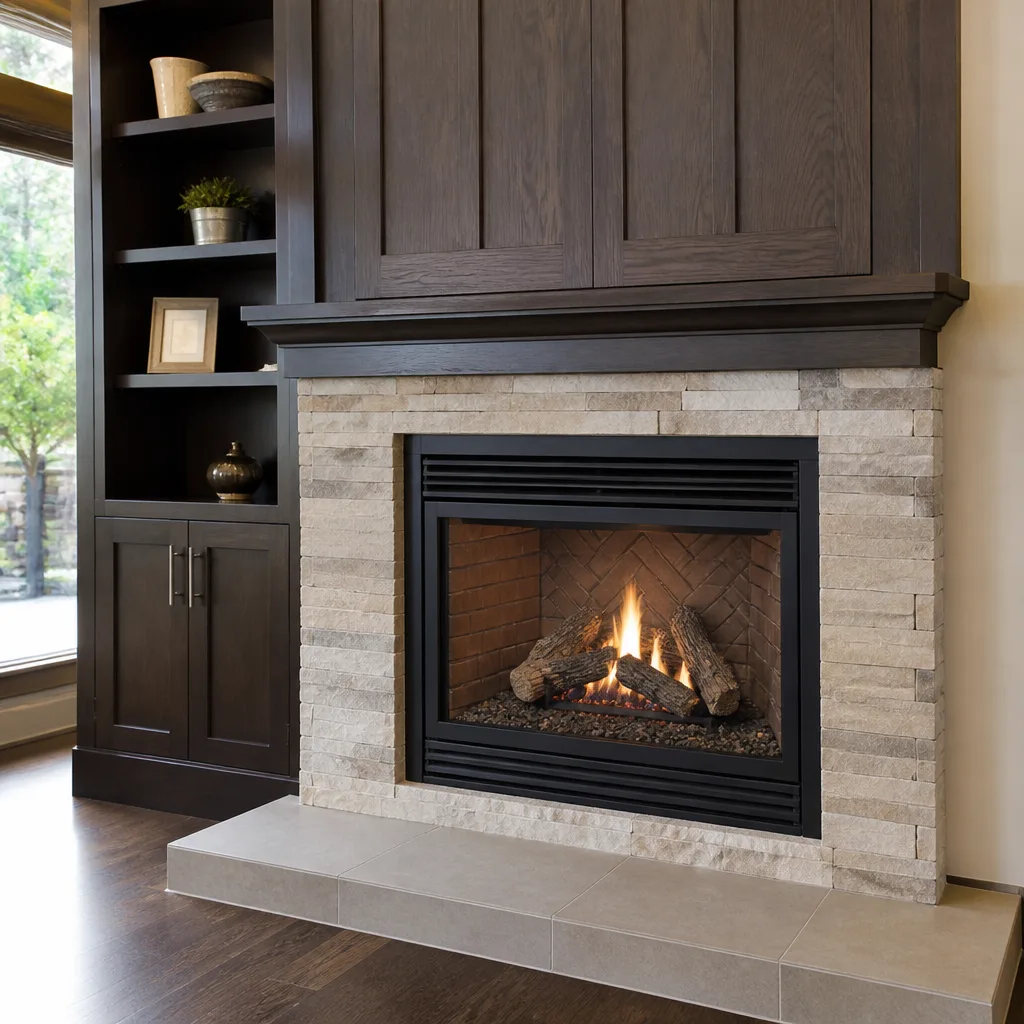 Gas fireplace service
Level 1 sweep and inspection to the NFPA 211 annual standard - flue, crown, cap, and flashing checked and photographed
Chimney sweep logs do not sweep chimneys. They loosen some creosote - which then falls where a brush and vacuum still have to collect it.
Chimney Cleaning Permits, Codes & Inspections in Garland, TX: What You Need to Know
Most homeowners assume a chimney sweep is a simple maintenance visit with no paperwork attached. Then a sweep comes down off the roof and says the words nobody wants to hear: “your flue liner is cracked.” That’s when the questions start, and the biggest one isn’t about price. It’s about whether the repair needs a permit, and what happens down the road if it never got one. In Garland, we’ve watched more than a few homeowners discover the answer the hard way, usually while trying to sell a house or file an insurance claim. This guide walks you through when chimney work in Garland actually touches the permit desk at City Hall, what the adopted codes mean for an older masonry chimney, and how to verify what’s been done to a house before you buy it.
Quick Answer
Routine chimney cleaning in Garland doesn’t require a permit, but structural repairs like a flue liner replacement, a chimney rebuild, or crown reconstruction often do, and unpermitted work can complicate an insurance claim or a home sale. NFPA 211 and the International Residential Code (IRC) Chapter 10 set the technical standards local inspectors look for. A documented Level 2 inspection report is the single most useful piece of paper a Garland homeowner can have when an insurer or a buyer asks questions about the chimney.
Styles & brands we work with
- Sweep & inspection
- Caps & crowns
- Flue relining
- Masonry repair
- Gas fireplace service
Table of Contents
- Does chimney cleaning require a permit in Garland?
- Which chimney repairs trigger a City of Garland permit?
- What NFPA 211 and IRC Chapter 10 actually require
- What a Garland inspector checks during a venting review
- The insurance and home-sale angle: why Level 2 reports matter
- Code compliance for pre-1990s masonry chimneys
- How to pull permit records before buying a Garland home
- Common mistakes to avoid
Does chimney cleaning require a permit in Garland?
No. Chimney sweeping is routine maintenance in Garland, the same as changing a furnace filter or cleaning gutters. No permit, no inspection, no paperwork filed with the city. That’s true whether you book a basic sweep or a full Level 2 inspection with a camera.
The line gets crossed when the work moves from cleaning and inspection into structural repair. Sweeping a flue doesn’t change the structure of the chimney. Rebuilding a damaged crown, replacing a cracked liner, or reconstructing the smoke chamber changes the venting system itself, and those are the jobs a building department typically wants to see on a permit application.
Here’s the part that catches people off guard. The permit requirement is triggered by the repair, not by the cleaning. So if a sweep comes out for routine service and finds a liner that’s failing, the fix that follows is a permitting question. Not the sweep itself.
In practice, this means a homeowner can go years without ever thinking about a permit until the day something breaks. That’s why it helps to know what the repair categories are ahead of time, so the question doesn’t take you by surprise mid-project. Our chimney sweep visits in Garland are set up to leave you with a written report of what’s actually wrong, so you can make the permitting call with information in hand instead of guesswork.
Which chimney repairs trigger a City of Garland permit?
The general rule of thumb: work that changes the structure or the venting path of the chimney usually needs a permit. Work that only cleans, inspects, or cosmetically seals doesn’t. The City of Garland’s building department sets the final word, and it’s always worth a phone call to confirm before a project starts. But here’s how the categories usually break down.
Repairs that typically require a permit in Garland
- Flue liner replacement. Installing a new stainless steel liner changes the venting system. This is the most common permitted chimney repair we see in Garland.
- Chimney rebuild or significant masonry work. Removing and rebuilding a section of masonry, particularly above the roofline, is structural work.
- Crown reconstruction. A new crown poured or cast in place is a structural element that shed water off the chimney top.
- Firebox rebuild. Rebuilding the firebox or the smoke chamber changes how the fire burns and vents.
- Adding or relocating a chimney or flue. Any new penetration for a wood stove, insert, or fireplace gets a permit.
- Wood stove or insert installation. New appliance installs and any flue changes to accommodate them.
Work that usually doesn’t require a permit
- Routine sweeping and creosote removal
- Level 1, 2, or 3 inspections and camera documentation
- Minor cap or spark arrestor replacement (small hardware, not masonry)
- Sealing small cracks in a crown or masonry joint
- Dryer vent cleaning, which is maintenance on the dryer exhaust system, not the chimney
The gap between those two lists is where most of the confusion lives. A homeowner might hear “crown work” and not know whether that’s a tube of sealant or a form poured with concrete. Those are very different jobs from a permitting standpoint.
One more thing worth knowing: a permit isn’t the same as an inspection. A permit lets the work happen. An inspection confirms it was done right. Both matter when you’re talking about a venting system that carries combustion gases out of your house.
What NFPA 211 and IRC Chapter 10 actually require
Two documents set the technical standard for chimney work in Garland. NFPA 211, the Standard for Chimneys, Fireplaces, Vents, and Solid Fuel-Burning Appliances, and Chapter 10 of the International Residential Code, which is the model code most Texas jurisdictions adopt with local amendments. They cover similar ground, and an inspector can reference either.
You don’t need to read either document cover to cover. But knowing what’s in them helps you understand what “code compliant” actually means for your chimney, and why a repair that seemed fine five years ago might get flagged today.
What NFPA 211 covers in plain language
- Liner integrity. Masonry chimneys must have a continuous liner, usually clay tile or a listed stainless steel system, with no cracks, gaps, or missing sections.
- Clearances to combustibles. Wood framing, insulation, and other combustible materials must maintain specified distances from the chimney exterior. These clearances are the reason a chimney can look fine from the living room and still be a fire risk behind the wall.
- Flue sizing. The flue needs to be sized to match the appliance. A flue that’s too large for a wood stove drafts poorly and builds creosote faster. A flue that’s too small won’t vent smoke properly.
- The 3-2-10 rule for chimney height. A chimney must extend at least 3 feet above the roof penetration, at least 2 feet higher than anything within 10 feet, and at least 3 feet above the highest point where it passes through the roof line.
- Levels of inspection defined. NFPA 211 defines Level 1, Level 2, and Level 3 inspections, which is where the insurance conversation comes from.
What IRC Chapter 10 adds
IRC Chapter 10 covers much of the same territory from a construction-code angle. It addresses masonry fireplace and chimney construction, factory-built fireplaces and venting, and the requirements for appliance connections. When Garland’s building department reviews a permit application for a liner replacement or a rebuild, Chapter 10 is part of what informs the checklist.
Where the two documents overlap, the stricter requirement usually governs. Where they differ, the locally adopted code wins. A Garland inspector’s job is to check the work against the code the city has actually adopted, not a generic national standard.
When a liner goes in, the material matters too. A listed stainless steel liner from a manufacturer like DuraFlex meets a standard that a generic off-the-shelf liner might not. That’s one reason we work with professional-trade brands rather than whatever’s on the shelf at the hardware store. The paperwork trail from a listed product can matter at inspection time and at claim time.
What a Garland inspector checks during a venting review
When Garland’s building department sends an inspector to look at permitted chimney work, they’re not looking at the same things a homeowner notices. They’re checking for structural soundness and fire safety, in that order. Here’s the short version of what usually gets looked at, and what it means for you.
The inspection sequence, roughly
- Permit and scope check. The inspector compares what was applied for against what’s actually installed. If the permit said liner replacement and there’s new masonry on the roof, the scope doesn’t match.
- Liner verification. The inspector confirms the liner is listed, continuous, correctly sized, and properly terminated at both the top and the appliance connection.
- Clearance check. Combustible clearances at the roof, ceiling, and wall pass-throughs are verified. This often means looking in an attic or behind a knee wall.
- Termination and cap. The chimney top is checked for proper height per the 3-2-10 rule, a suitable cap, and a spark arrestor if required.
- Appliance connection. For a wood stove or insert, the flue collar connection and any required clearances to the appliance are verified.
- Crown and flashing. Water shedding at the top of the chimney and at the roof penetration are assessed. Water intrusion causes most of the long-term damage to masonry chimneys.
- Sign-off and documentation. If everything passes, the inspector signs off and the permit is closed. That record is what an insurer or a buyer might later ask about.
The pass/fail conversation usually comes down to two things: liner integrity and clearance. Those are where most re-inspection visits happen.
One point worth stating clearly. An inspector looking at a permitted chimney project is not doing a full Level 2 inspection. They’re verifying the permitted scope. A sweep doing a Level 2 inspection is doing something different and more thorough, with a camera run through the entire flue and documentation of what it finds. Both are useful. They’re not interchangeable.
The insurance and home-sale angle: why Level 2 reports matter
Here’s the part that most Garland homeowners don’t learn until they need it. A Level 2 inspection report, with camera footage and dated photos of the flue interior, is the single best piece of documentation in a homeowner’s file. Two situations bring that home: filing an insurance claim after a flue fire, and selling a house.
Why insurers ask for inspection documentation
Many homeowner policies include language about maintenance and code compliance for fireplaces and solid fuel appliances. An insurer isn’t going to ask for a chimney inspection on a normal Tuesday. But if a flue fire happens, or a carbon monoxide incident occurs, or a claim involves fire damage near the chimney chase, the claim adjuster is going to want to see evidence that the venting system was being maintained.
A dated Level 2 inspection report shows what the flue looked like at a specific point in time. It shows what the sweep found, what was recommended, and what was done. That’s a much stronger position than “I had it cleaned a few years back.”
And here’s the tougher part. If a liner replacement happened without a permit, and a flue fire later occurs, the claim process gets complicated. An insurer can ask questions about whether the work met code. An unpermitted repair doesn’t automatically void a claim, but it can create a dispute that takes months to sort out. That’s the specific scenario the opening of this guide was pointing at.
Why it matters when you sell
A Garland home inspector will almost certainly look at the fireplace and chimney, and if they flag it, they’ll recommend a Level 2. A buyer’s agent will want to know the chimney is in safe working condition. A pre-listing Level 2 report removes that item from the negotiation table before it becomes a problem.
It also surfaces what the chimney actually needs. In our experience, a clean report is the fastest way to keep a deal moving. An unpermitted repair discovered late in escrow is one of the more disruptive things a home sale can hit.
Code compliance for pre-1990s masonry chimneys
Garland has a lot of housing stock from the 1950s through the 1980s, and many of those homes have solid masonry chimneys that were built to whatever code was in force at the time. Some of those chimneys are still perfectly sound. Others have been grandfathered into a standard that doesn’t match today’s codes, and are only compliant until someone looks closely.
What’s usually different about older Garland chimneys
- Single wythe or unlined flues. Some older masonry chimneys were built without a clay tile liner at all, or with a single thin course that has since cracked. A masonry chimney without a continuous liner is not code compliant today, and a stainless steel liner system is the usual solution.
- Oversized flues. A flue built to serve an open fireplace often drafts poorly when a modern wood stove or insert gets connected to it years later. The flue was sized for the wrong appliance.
- Mortar joint deterioration. Brick and mortar from the 1950s through 1980s has often seen several decades of wet winters and hot summers. Repointing is one thing; a compromised structural joint is another.
- Crown erosion. The crown at the top of a masonry chimney was often poured thin on older homes. When it cracks, water gets into the masonry, and the freeze-thaw cycle over decades loosens the brick above the roofline.
- Missing or damaged caps. A missing chimney cap lets rain, birds, and squirrels straight into the flue. It’s a small part with large consequences.
- Clearance questions. A masonry chimney from 1965 was built with the clearances the code of 1965 required. Whether those clearances meet today’s standard is a question the Sweep must actually check, not just assume.
For those older chimneys, “code compliant” usually means bringing the venting system up to the current standard for the appliance that’s connected to it. In practice, that’s often a listed stainless steel liner (a system from a manufacturer like Olympia Chimney or DuraFlex, for example), proper termination, and a crown that actually sheds water. Sometimes it’s a resurfacing solution rather than a full rebuild – HeatShield, for instance, is a cast-in-place resurfacing system used when the flue has cracks but the masonry is structurally sound enough to hold it.
Older Garland homes in neighborhoods like Forest Hills and the Casa View area on the east side tend to see this more often than newer construction. It’s not a knock on the homes. It’s a matter of what code looked like in the 1960s versus what it looks like now.
How to pull permit records before buying a Garland home
If you’re buying a Garland home and you want to verify whether prior chimney work was permitted, you can. The City of Garland maintains permit records, and they’re accessible by address. The process is straightforward, if not particularly fast. Here’s how to do it.
- Start with the address search. The City of Garland’s online permitting portal allows searches by property address. It’s the fastest way to see what permits have been issued, when, and whether they were closed out.
- Request records for a specific date range. If you’re looking at a home built in 1972, request records from the original construction date through the present. A chimney replacement from 2018 will show up as a separate permit from the original house construction.
- Ask for inspection results, not just permit listings. A permit that was issued but never closed out is a red flag. You want to know that the permit received a passing inspection and was formally closed.
- Make the request in writing. A written records request is more reliable than a phone call for getting a paper trail. The city can respond with the permits and inspection history associated with the address.
- Cross-check the report on file. If the seller’s disclosure mentions chimney work but there’s no permit on record at the city, ask the seller for the contractor’s paperwork. A reputable contractor keeps a copy of what they filed.
- Have a Level 2 inspection done anyway. A permit search tells you what was filed. It doesn’t tell you what was installed. A camera inspection by a qualified sweep confirms what’s actually in the flue today, which is the thing that matters most.
The permit search typically takes a few days to a couple of weeks, depending on the city’s records queue. It’s worth starting the request early in the buying process, not the week before closing.
Common Mistakes to Avoid
- Assuming the sweep handles the permit. In Garland, the contractor doing the permitted work is usually the one pulling the permit. That should be settled in writing before the project starts, not after. A reputable contractor will tell you up front whether the work needs one.
- Skipping the permit to save time or money. A quick liner install without a permit feels efficient until it’s on a disclosure form or in front of an insurance adjuster. The cost of dealing with an unpermitted repair later usually exceeds the time the homeowner saved.
- Treating a home inspection as a chimney inspection. A Garland home inspector looks at hundreds of systems and won’t run a camera down the flue. A chimney inspection is a separate, specialized service – ask for it specifically.
- Relying on a verbal clearance from a prior owner. “The chimney was looked at two years ago” is a sentence that can’t be verified. Ask for the report. If there isn’t one, there’s a gap in the record.
- Ignoring a level 2 recommendation before listing a home. A Level 2 report done six months before listing removes the chimney from the negotiation table. Doing it after a buyer’s inspection has flagged the chimney is much more expensive, in time and in negotiating leverage.
- Mixing up cleaning and repair in a conversation with the city. When a Garland homeowner calls the permit office, the first question is usually “does this need a permit?” The answer depends entirely on the specific scope of work. “Repair” is a word that covers everything from a small crown seal to a full rebuild.
- Judging a chimney by how it looks from the outside. The outside of a chimney tells you almost nothing about what’s inside the flue. Camera inspection is the only way to see the interior of a clay tile liner or a stainless steel liner without tearing into it.
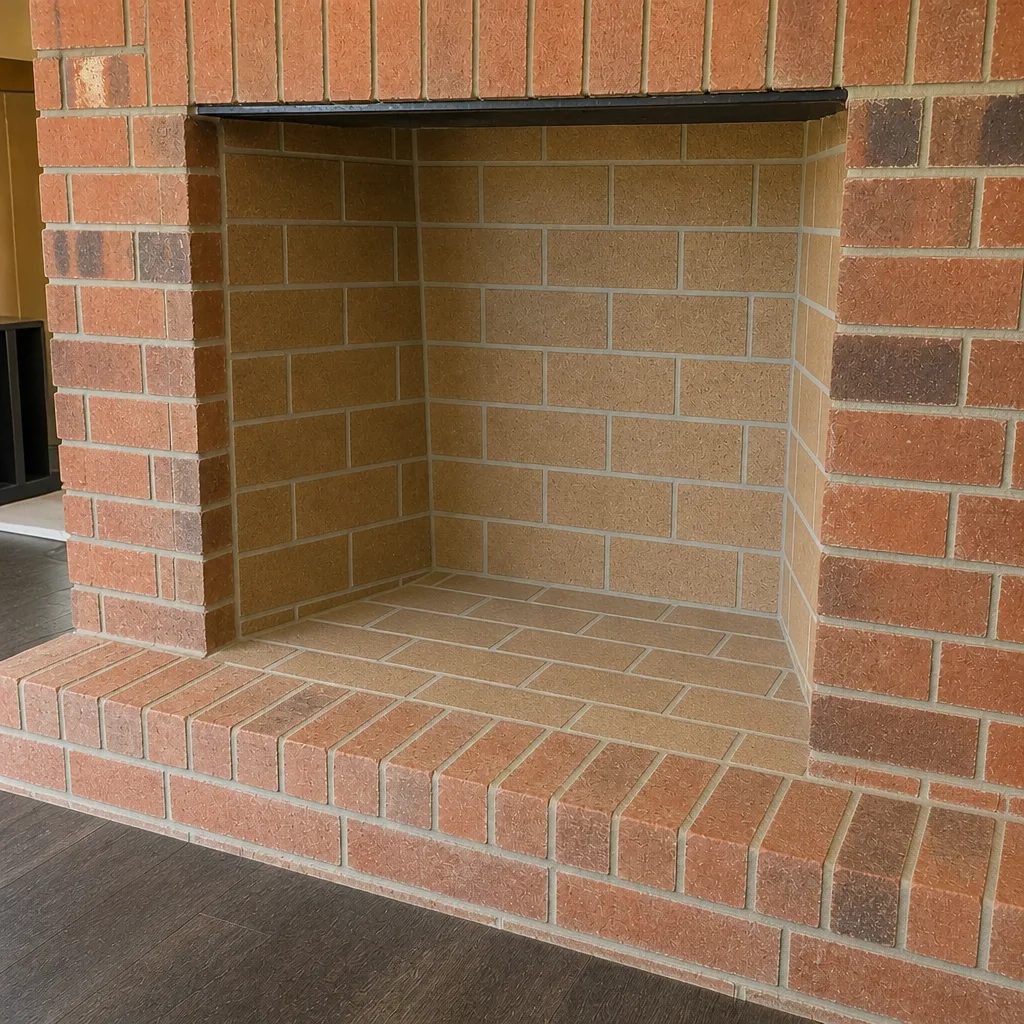
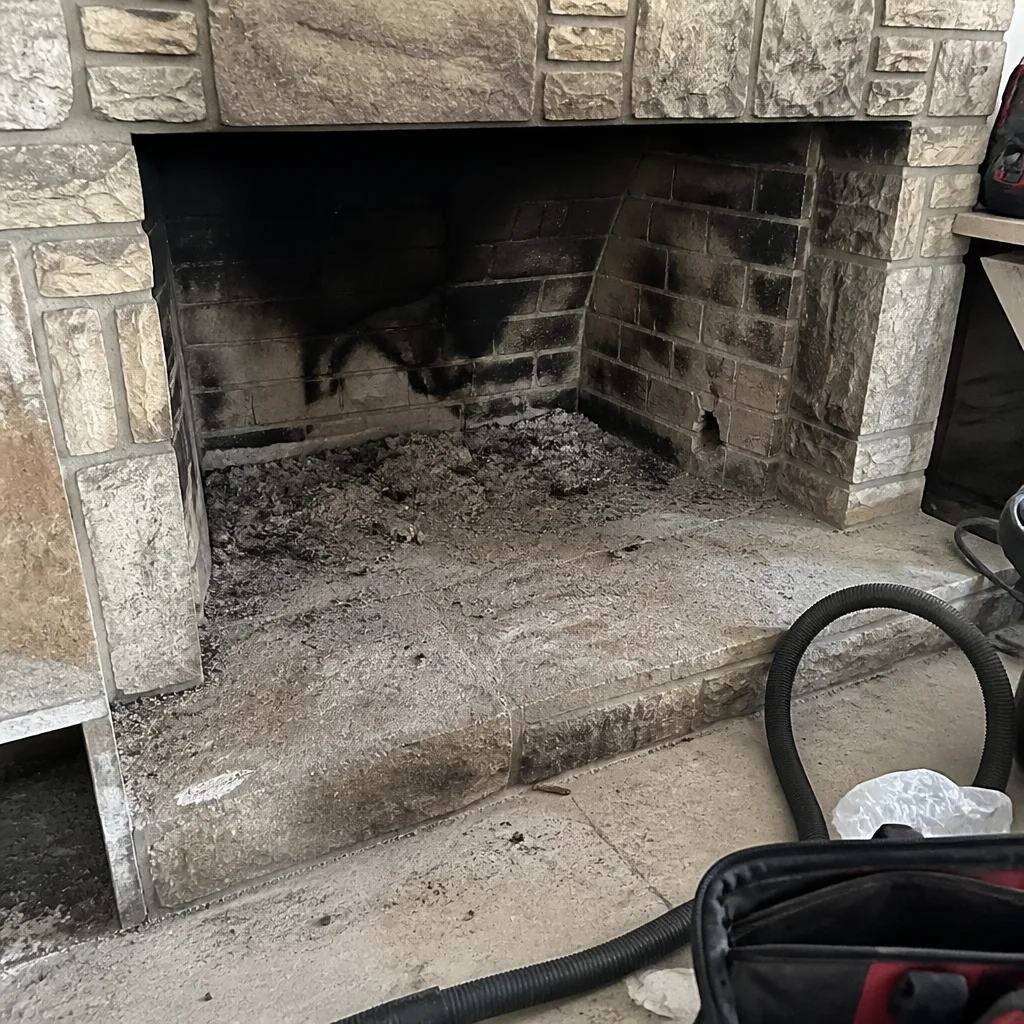
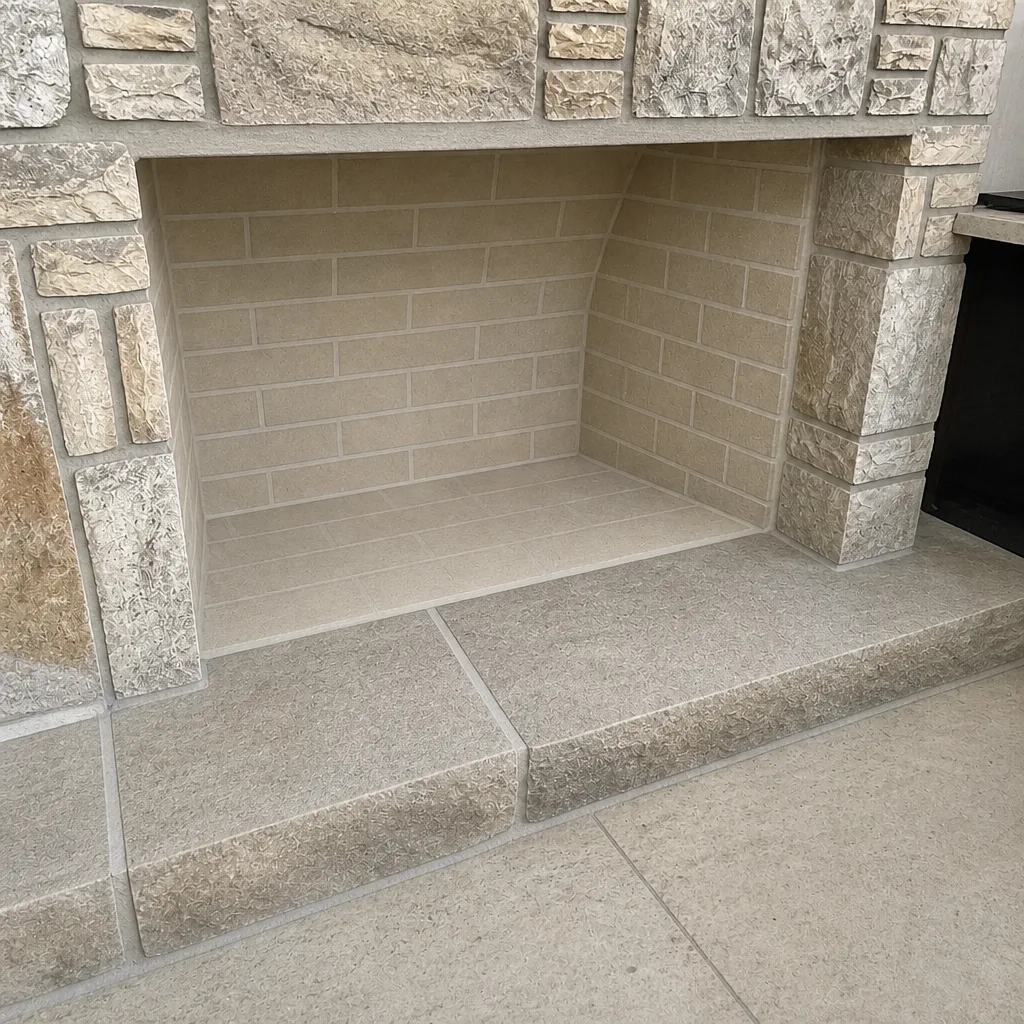
See the difference
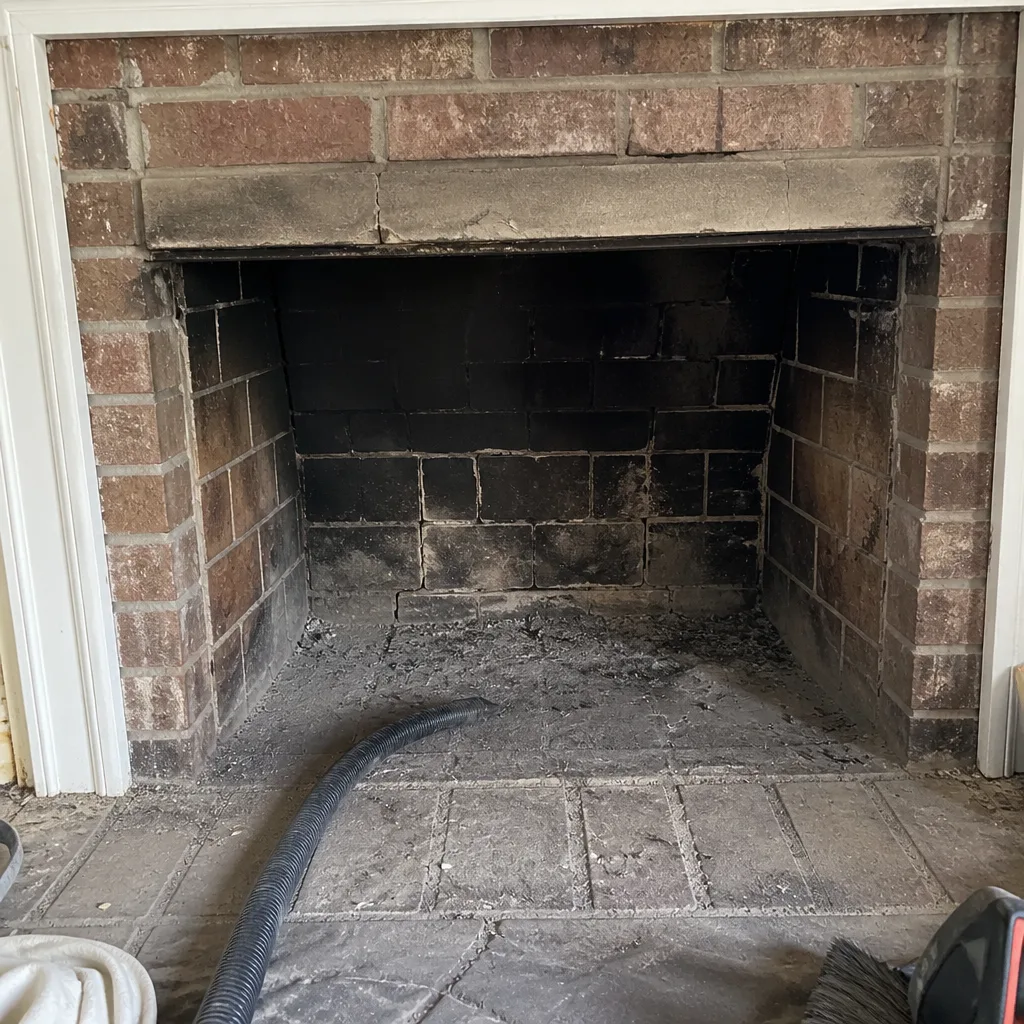 Before
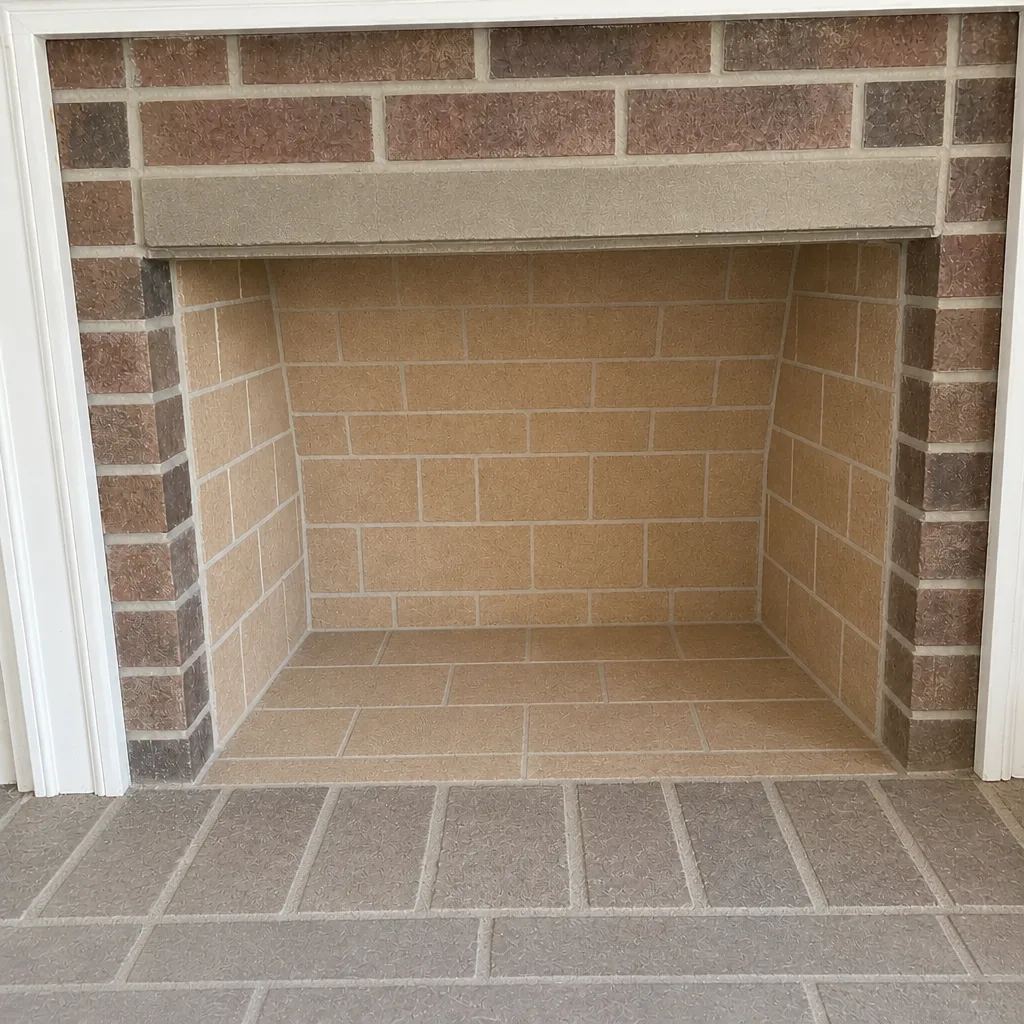 After
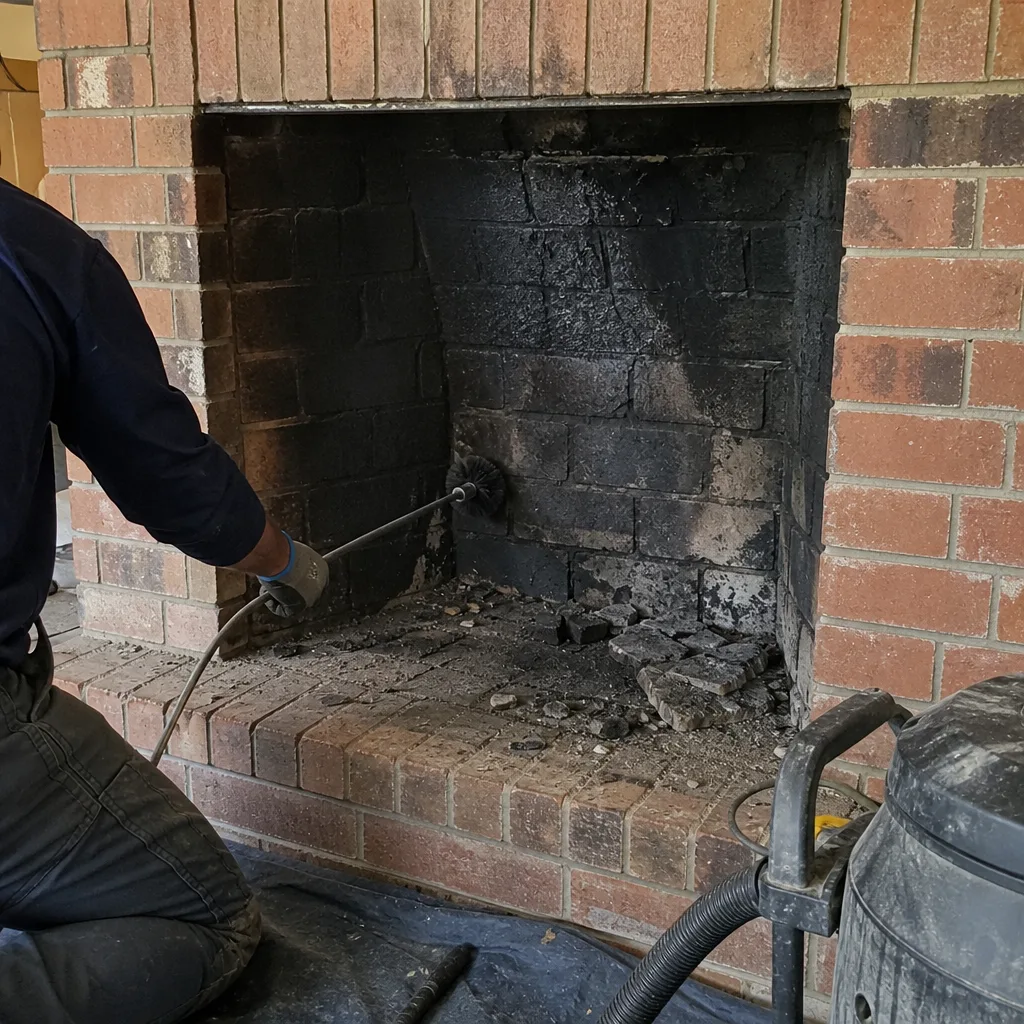 Before
 After
 Before
 After
When to Call a Professional
Most chimney work in Garland is maintenance. A sweep, an inspection, a written report. But a handful of situations call for someone who can diagnose and fix what’s actually wrong, not just clean it and leave a note. Call a professional if you see cracking or crumbling mortar above the roofline, if you hear brick or tile rattling inside the flue when you open and close the damper, if the fireplace smokes back into the room, if you see white staining on exterior brick that suggests moisture working through the masonry, or if you’ve moved into a Garland home and you don’t know the chimney’s history.
You should also call before any permitted structural work begins, so the contractor doing the work is the one pulling the permit. And you should call before listing a house if the chimney has never been inspected on your watch. The paperwork is only useful if it’s done ahead of the moment someone asks for it.
Dayspring Chimney Sweep offers free estimates in Garland at (855) 974-6812. We can look at what your flue actually needs, tell you whether a permit is likely required, and schedule the work so the documentation and the repair move together. We answer 24/7. Fast dispatch from 7am to 7pm, Sunday through Friday. We also handle dryer vent cleaning in the same visit, since the dryer exhaust is the other venting system in a Garland home that can fail quietly.
Frequently Asked Questions
No. Chimney sweeping and inspections are routine maintenance in Garland and don’t require a permit from the City of Garland. Permits come into play when the work involves structural repair to the chimney or flue. If you’re unsure whether your specific repair needs one, call (855) 974-6812 and we can walk through the scope with you – estimates are free.
Flue liner replacement, chimney rebuilds, crown reconstruction, firebox rebuilds, and new wood stove or insert installations typically require a permit in Garland. Minor caps, small crack sealing, and cleaning don’t. The building department has the final word, and it’s worth a call to confirm the specific scope before work starts. Call (855) 974-6812 for a scope review before you book the job.
A Level 2 report is dated documentation of what your flue looked like at a specific point in time, which is what an adjuster will want if there’s ever a flue fire or a chimney-related claim. Without one, a homeowner is relying on memory. With one, the record is on paper. Call (855) 974-6812 to schedule a Level 2 inspection and get that documentation in hand.
NFPA 211 and IRC Chapter 10 both inform the standard for chimney work in Garland, and the locally adopted code is the final word. Inspectors check the work against what the city has actually adopted, which follows the model codes with local amendments. Ask the contractor which standard the proposed repair is designed to meet. Call (855) 974-6812 for a review of what your chimney is currently meeting.
You can request permit records from the City of Garland by property address through their permitting office. Ask for the permits issued, the inspection results, and whether each permit was formally closed. A permit that was issued but never inspected or closed is worth asking about before closing. Call (855) 974-6812 if you want a Level 2 inspection to go along with the records search.
Not automatically, but many chimneys from that era don’t meet current standards for liner integrity, flue sizing, or clearance. The only way to know what your specific chimney needs is a camera inspection by a qualified sweep. Older Garland masonry chimneys often need a liner system upgrade, a crown reconstruction, or resurfacing, depending on what the inspection finds. Call (855) 974-6812 for a free estimate on what yours actually needs.
The Bottom Line
Cleaning your chimney in Garland is maintenance. Repairing your chimney is a permitting question, and knowing which is which saves homeowners a lot of headaches later. NFPA 211 and IRC Chapter 10 set the technical standard. City of Garland permitting confirms the work was documented. A Level 2 inspection report connects the two, and it’s the document that does the most work when an insurer or a buyer asks for proof. If you’re moving into an older Garland home, start with the permit records and then get the flue inspected. If you’re staying put, keep the reports. Garland homeowners deserve to know exactly what’s going on in their chimney, and to have the paperwork to back it up.
For a free estimate on a sweep, an inspection, or a repair that may need a permit, call Dayspring Chimney Sweep at (855) 974-6812. We answer 24/7. Fast dispatch from 7am to 7pm, Sunday through Friday. Dayspring Chimney Sweep has been serving Garland since 2016, and we carry the repair capability – not just the brushes – to see a job through from diagnosis to final inspection.
Written by the team at Dayspring Chimney Sweep, serving Garland since 2016.