
Last updated November 14, 2026
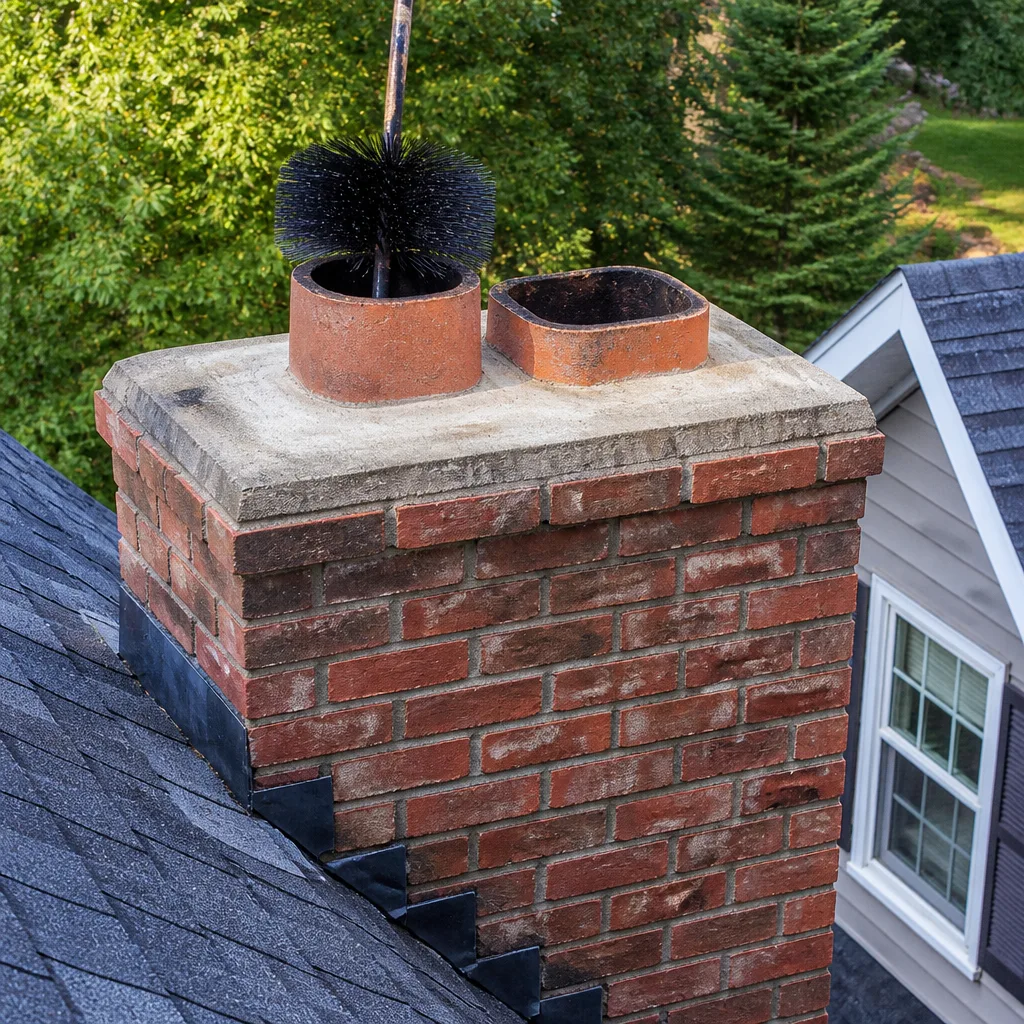 Sweep & inspection
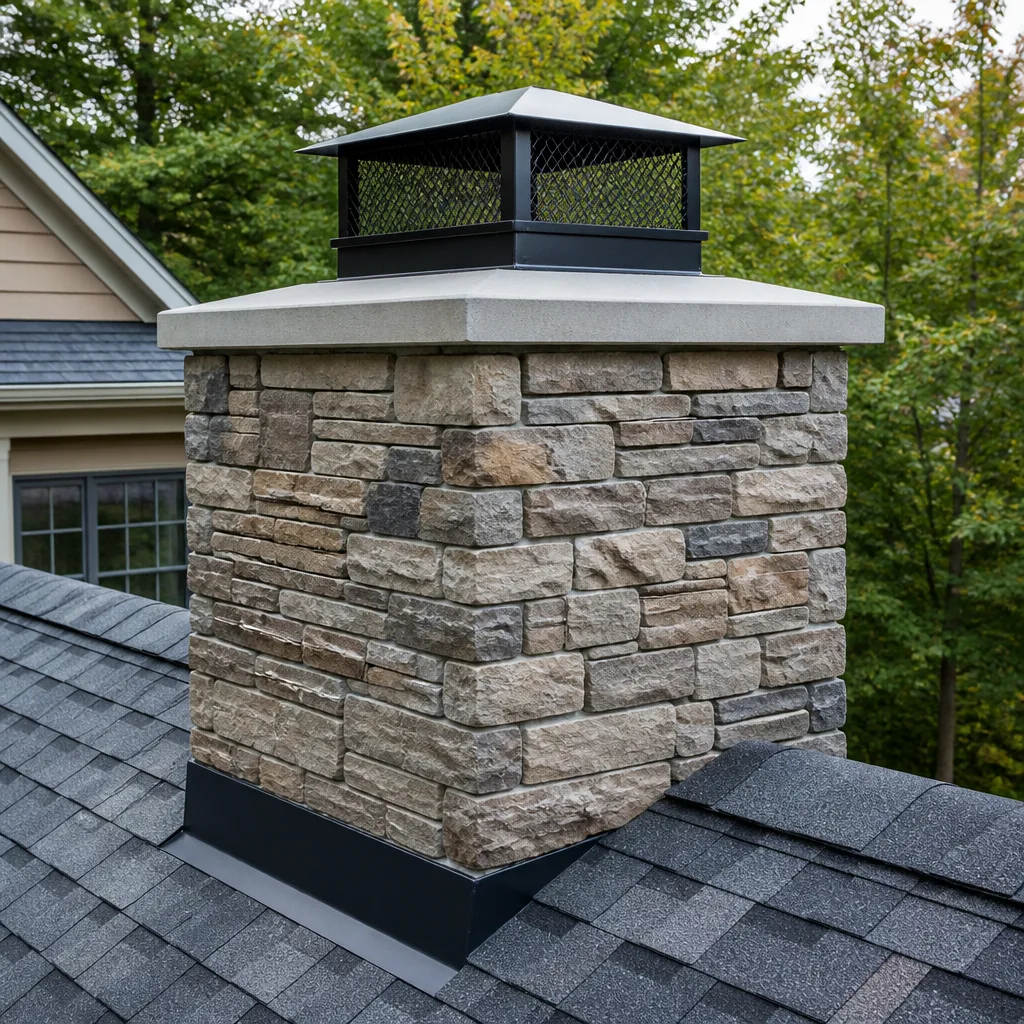 Caps & crowns
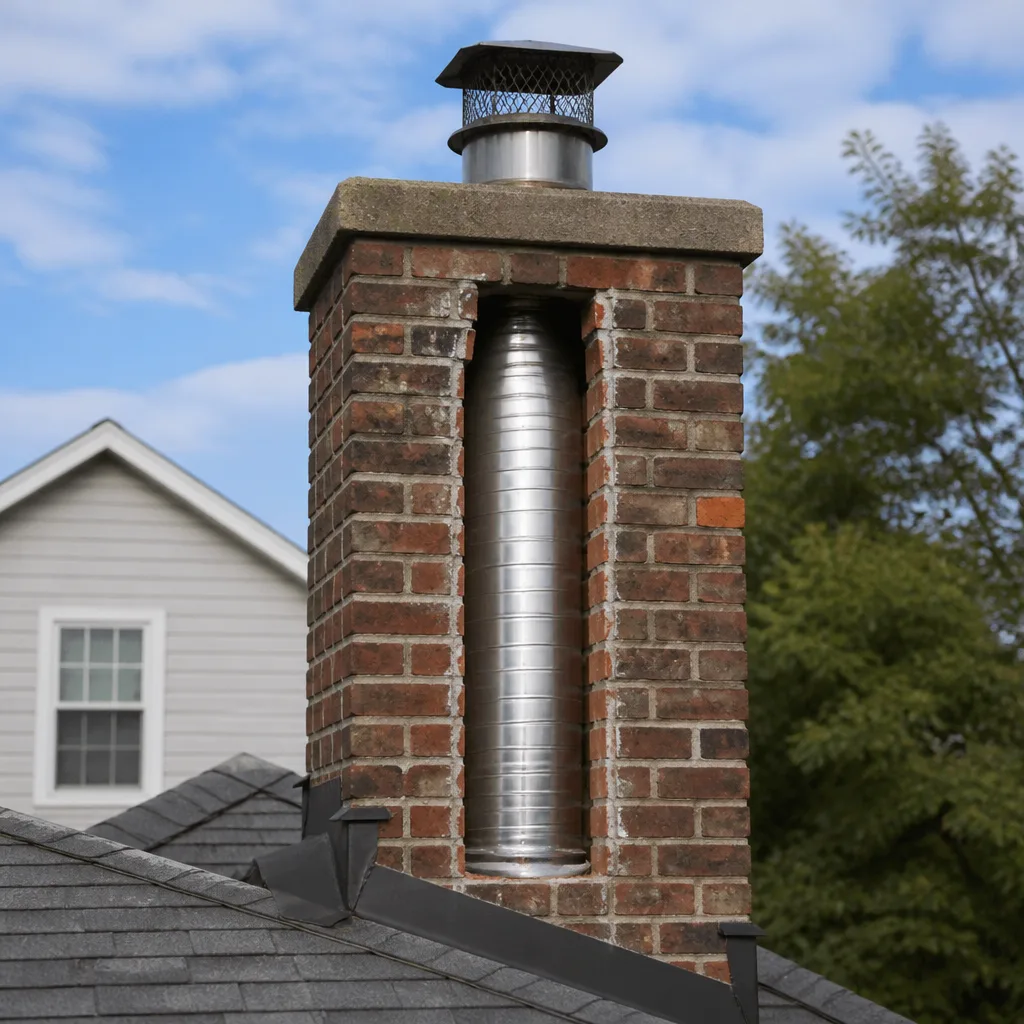 Flue relining
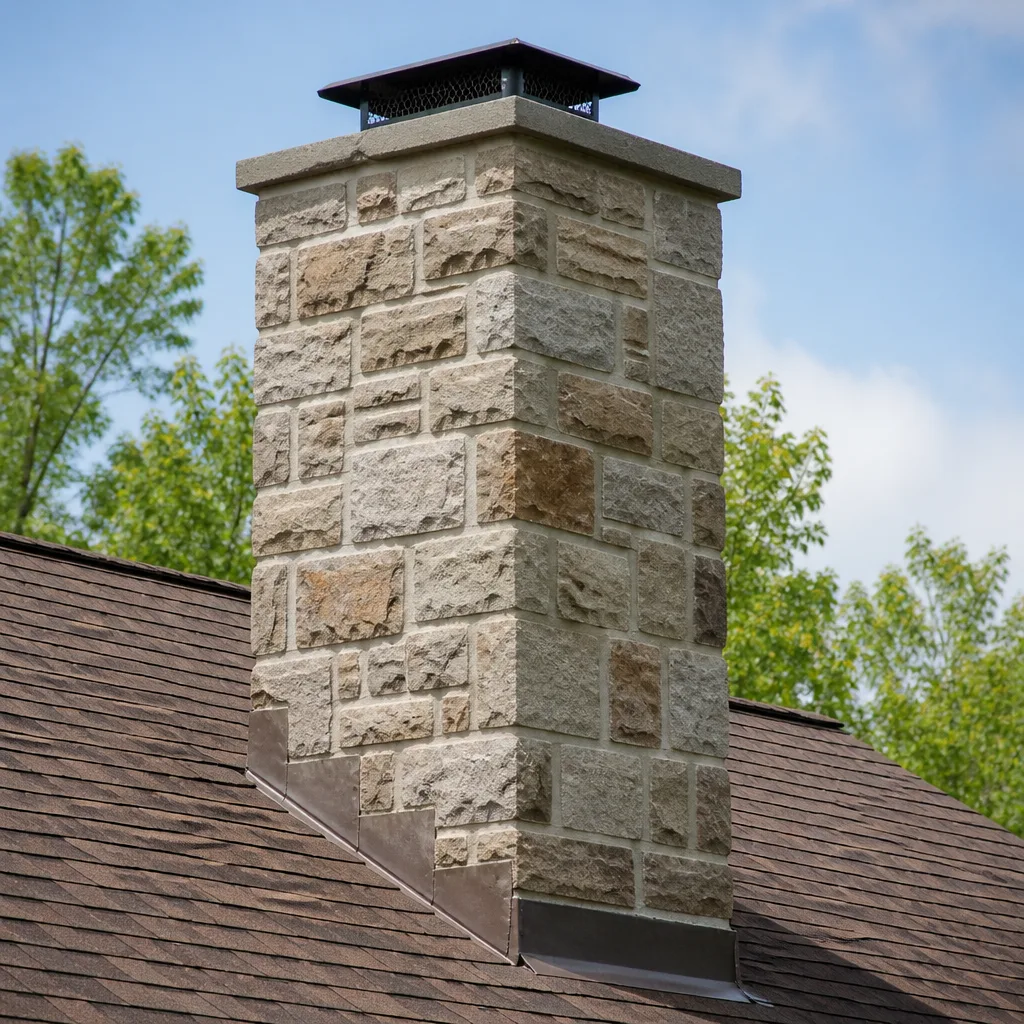 Masonry repair
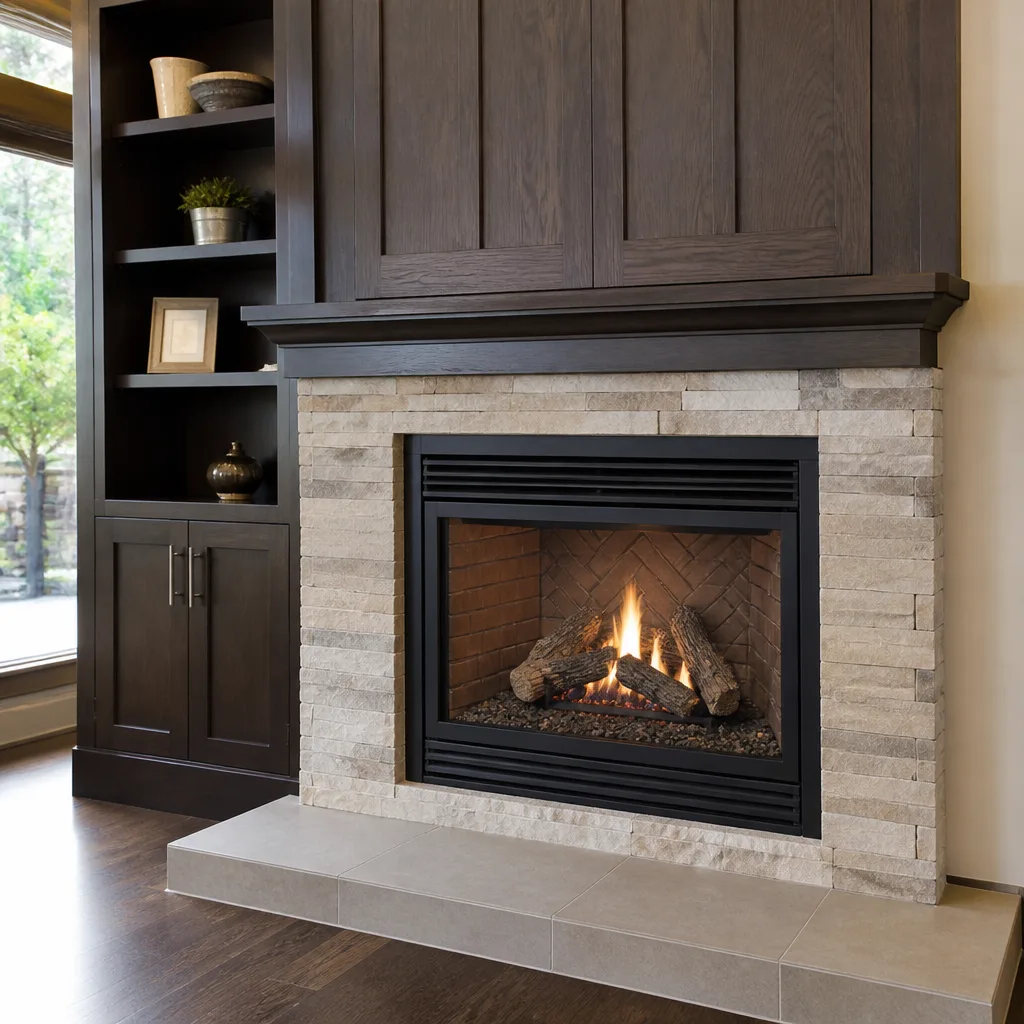 Gas fireplace service
Level 1 sweep and inspection to the NFPA 211 annual standard - flue, crown, cap, and flashing checked and photographed
Chimney sweep logs do not sweep chimneys. They loosen some creosote - which then falls where a brush and vacuum still have to collect it.
The Complete Guide to Chimney Cleaning in Garland
Most chimney fires aren’t caused by neglect. They’re caused by homeowners who thought they’d already handled it. The sweep came, the brush ran, and the creosote that mattered was left behind – packed into a hidden offset, glazed onto a liner the brush skimmed but never scrubbed. In Garland, where the clay soil shifts under older foundations and the winters stay mild enough that fireplaces sit idle for months, a cleaning is less about a single brush pass and more about reading the whole system. This guide walks you through what a real chimney cleaning in Garland involves: the inspection levels, the difference between wood and gas venting, the liner checks, and how to tell a diagnostic visit from a brush-and-go one.
Quick Answer
A thorough chimney cleaning in Garland means sweeping the flue, then inspecting the liner, firebox, damper, cap and crown for creosote, cracks and misaligned tiles, and documenting what was found. It’s not just a brush pass. You can’t call a Garland chimney clean until someone has looked at the whole system and shown you what they found. A proper chimney sweep in this city includes that inspection as part of the job, not as an upsell tacked on afterward.
Styles & brands we work with
- Sweep & inspection
- Caps & crowns
- Flue relining
- Masonry repair
- Gas fireplace service
Table of Contents
- Why Chimney Cleaning Matters More Than You Think in Garland
- How Fuel Type Changes What Gets Cleaned
- How Garland’s Clay Soil Affects Your Chimney
- The Three Levels of NFPA 211 Inspection
- What Actually Happens During a Cleaning
- What You Should See After the Job
- Why Cleaning Without Repair Capability Leaves a Hazard Unfixed
- Dryer Vent Cleaning: The Other Half of the Fire Risk
Why Chimney Cleaning Matters More Than You Think in Garland
Creosote is the residue that builds up when wood burns. It’s not a single substance; it has stages. Early-stage creosote is soot and light flake that a brush removes easily. Mid-stage is a crusty layer that takes more work. Late-stage creosote is glazed, hard and shiny – and this is the stage that catches fire at much lower temperatures than people expect. A brush thrown once down a flue won’t shift glazed creosote from a rough clay liner. It’ll skip over the bumps and leave the most flammable layer intact. That’s how a chimney can pass a visual glance and still hold a fire hazard.
In Garland, we see a few patterns again and again. Homeowners burn seasoned wood most of the time but occasionally burn green wood or scrap, which accelerates deposit buildup. Fireplaces get used heavily for a few weeks when the weather turns cool, then sit for months. That idle period gives creosote time to harden. Some chimneys in Garland were built decades ago with clay tile liners, and those tiles can crack or shift – creating pockets where creosote collects and brushes can’t reach. And gas fireplaces, increasingly common in Garland homes, have their own venting requirements that a wood-flue brush pass doesn’t address. Understanding what your particular system needs starts with knowing what you’re burning and how the flue is built.
The goal of any cleaning is to bring your venting system back to safe operating condition. It’s not to tick a box. We approach a Garland job as a diagnostic and a service at the same time, because a cleaning that doesn’t tell you what’s happening inside the chimney isn’t worth the visit.
How Fuel Type Changes What Gets Cleaned
A wood-burning flue and a gas fireplace vent aren’t the same job. They look alike at the firebox, so homeowners often assume the annual brush applies to both. It doesn’t. What gets cleaned, and how it’s inspected, depends entirely on what you burn.
Wood-burning fireplaces and wood stoves produce creosote, ash and soot. These are the deposits a sweep removes with brushes and a vacuum. The liner gets inspected for cracks that would let creosote reach the framing. The damper gets checked for proper operation. Cap and crown are checked for damage that lets water in.
Gas fireplaces and inserts produce no creosote. They produce condensation and sometimes debris from insects or nesting. Gas venting has to be examined for blockage, proper draft and corrosion, and the burner components have their own service needs. A wood-flue brush pass on a gas vent tells you almost nothing useful.
Confusing the two creates a real hazard. A gas appliance venting through a flue that was set up for wood, or a flue shared or sized wrong, can spill combustion byproducts into the living space instead of exhausting them. Carbon monoxide is the risk. The cleaning and inspection have to match the fuel type, and that’s one reason a technician should ask before the brush comes out, not after.
- Ask what fuel your fireplace burns and confirm the technician knows it before starting.
- Wood systems: creosote, soot, ash, liner condition, damper.
- Gas systems: vent blockage, draft, corrosion, burner service.
- Both: cap, crown, flashing, and a documented inspection.
How Garland’s Clay Soil Affects Your Chimney
This is where Garland gets specific. The soil across much of this area is heavy clay. When it dries, it contracts. When it takes on water, it swells. That cycle of movement stresses foundations, and a chimney foundation is not exempt. Over seasons, a masonry chimney can tilt very slightly, and more importantly, the flue tiles inside it can shift against each other.
What does a shifting tile mean for a cleaning? It means the flue path isn’t straight and smooth the way a drawing implies. Tiles can offset at the joints, which creates ledges where creosote packs in. Each ledge is a spot a brush passes over but doesn’t fully clean. In our experience sweeping in Garland, hidden offsets are a common reason a chimney “cleaned” by one company still shows heavy deposits the next time it’s properly checked. A technician who knows what to look for will probe the flue, not just run a brush and call it done.
Offset tiles are also a structural warning. If the tiles have shifted, the joints between them may be open. Open joints let heat and creosote reach the masonry and the framing beyond it. That’s the pathway a flue fire travels. Locating shifted tiles during a cleaning is less about cleaning and more about catching a hazard early. Mild North Texas winters don’t freeze the masonry the way northern climates do, but the soil movement here is its own stressor, and it doesn’t make headlines the way cold does.
The Three Levels of NFPA 211 Inspection
NFPA 211, the national standard for chimneys and venting, describes three levels of inspection. Which one you need depends on what’s changed since the last service. A technician who doesn’t tell you which level you’re getting is cutting corners.
- Level 1. A visual inspection of readily accessible portions of the chimney, firebox and flue, without tools that would open or disturb anything. This is the baseline inspection that pairs with a routine cleaning when the system has been used as intended since it was last serviced.
- Level 2. More thorough. Includes everything in a Level 1 plus accessible attic, crawlspace and roof areas, and often a video camera scan of the flue. Required after a change – a new appliance, a fuel switch, a liner replacement, a property sale, or any event like a chimney fire. A camera inspection is what actually shows you the interior of a flue you can’t see otherwise.
- Level 3. The most involved. Used when a Level 1 or 2 identifies a problem that requires opening concealed parts of the chimney to inspect further. This is not routine and only comes up when prior findings call for it.
In a Garland home that has been occupied and using the fireplace routinely, a Level 1 alongside the cleaning is usually right. Bought a house recently? Switched to gas? Had a chimney fire, even a small one? A Level 2 with a camera is the level to ask for. If you aren’t sure which you need, the honest answer is to describe what’s changed and let the technician tell you, then ask them to explain why they’re recommending that level.
What Actually Happens During a Cleaning
A proper cleaning is a sequence, not a single step. Here’s how it should go.
- Protection. Drop cloths and a sealed-off firebox area before any equipment comes in. Nobody should be tracking soot through a Garland home.
- Setup and vacuum. A high-capacity HEPA vacuum running throughout the process. Ash and soot are pulled in, not redistributed.
- Flue sweep. Brushes sized to the actual flue dimensions, worked from the top down or bottom up depending on the setup. A brush too small skips the walls; too big can hang up in an offset.
- Creosote assessment. The technician judges the creosote stage as it comes off. Glazed creosote means a different discussion, sometimes a chemical treatment or liner evaluation.
- Firebox and damper. Cleaned and checked for cracks, warping and operation.
- Cap, crown, flashing. Checked from the roof. A missing cap lets in water and wildlife; a cracked crown leads to masonry damage below.
- Liner check. Camera or visual, depending on the level of inspection. Cracked or offset tiles get documented.
- Report and photos. Findings shown to the homeowner, with images, before anyone leaves.
That last step is the one that separates a real job from a brush-and-go. You should see what was removed and understand what’s been noted. If a liner is failing, the cleaning doesn’t fix it, but the technician should be able to tell you so plainly and recommend the next step. A Dayspring Chimney Sweep visit includes that documentation because a homeowner who can’t see the findings has no way to decide what to do about them.
What You Should See After the Job
The cleaning is finished. Now what should you actually have in hand? A thorough technician will walk through the findings with you.
- Photos of the flue interior. A camera scan shows the liner condition, creosote deposits and any missing mortar or shifted tiles. Without photos, you’re relying on a verbal summary of something you can’t see.
- Removed debris, or a count. The technician should be willing to show what came out – ash volume, creosote flakes, debris from a cap, and any animal nesting material removed.
- A written record of findings. Each issue listed plainly: what was found, what condition it’s in, what needs doing. Not a check box, not a vague “some wear noted.”
- A clear distinction between cleaning and repair findings. A cleaning removes what’s unsafe to leave. A finding is something the cleaning didn’t and couldn’t fix. You should know which is which.
- An estimate for any repair recommended. Not a pitch, but a written estimate. You should be able to take it away and compare.
If you get brush marks and a verbal “all good,” that’s not a documented cleaning. It’s a visit you have no way to verify. A professional dryer vent cleaning follows the same principle: you should see the lint that came out, because lint extraction is the evidence.
Why Cleaning Without Repair Capability Leaves a Hazard Unfixed
Here’s a scenario that plays out more than homeowners realize. A technician finds a cracked flue tile or a failing mortar joint during a cleaning. They write it on the report and leave. You now know about a hazard. But the same company doesn’t do the repair, so you’re left to call another business, describe what the first one found, and hope it gets fixed before the next fire. That handoff is where things get dropped.
A sweep who carries repair capability closes that gap. When a liner needs resurfacing, the technician who spotted it can quote and complete it. A chimney sweep who stocks HeatShield, the resurfacing system used by certified restoration contractors, can rebuild a damaged flue with a professional-grade material rather than hand off to an unknown subcontractor who’s never seen the chimney. A failed liner can be relined with a DuraFlex system rated for the appliance in use, not a big-box substitute. The same logic applies throughout.
The practical effect for a Garland homeowner is this: the person who diagnoses the problem is the person who can fix it. No second opinion chase, no second vendor discounting the first vendor’s findings. When you call for a cleaning, ask who does the repair if something is found. If the answer is “we refer that out,” you know your cleaning may stop at the diagnostic stage.
Dryer Vent Cleaning: The Other Half of the Fire Risk
Chimneys and dryer vents share a feature: both are venting systems, both collect flammable material, and both get ignored until something goes wrong. The U.S. Fire Administration consistently ranks dryer vent fires among the leading causes of home fires, and lint accumulation is the core issue. Lint is highly flammable, and a dryer vent that’s blocked or partially restricted traps heat in the dryer as well, shortening equipment life alongside the fire risk.
What gets cleaned from a dryer vent is different from what gets cleaned from a chimney, but the diagnostic approach is the same. A technician should run the vent, look for lint buildup along the run, check where the vent exits the house, and remove the accumulation. The metal or flexible duct gets checked for crushed sections or improper routing, common in Garland homes where a dryer has been relocated or where flexible duct has kinked behind the machine.
The convenience of handling both venting systems in one visit is real, but the more important point is the safety pairing. Chimney fires and dryer vent fires are the two most preventable venting hazards in a home. A Garland household that schedules both for the same service call has checked both. Scheduling them separately, months apart, is how one gets skipped.
Common Mistakes to Avoid
- Assuming a brush pass is a cleaning. A brush without a liner inspection doesn’t tell you whether your chimney is safe, only that some creosote came off. Ask for the inspection level and the documentation.
- Skipping the camera inspection on a recently purchased home. Garland has a lot of older housing stock, and a flue you’ve never seen can hide offset tiles or a partially relined system. A Level 2 with a camera tells you what you own.
- Treating a gas fireplace like a wood fireplace. A gas vent has no creosote to sweep, but it has its own hazard profile: blocked or misrouted venting can spill carbon monoxide. Cleaning has to match the fuel type.
- Ignoring the dryer vent. The chimney gets attention; the dryer vent gets forgotten. Both are fire routes in a Garland home, and lint accumulation is just as dangerous as creosote in a different part of the house.
- Hiring a sweep who can’t do repairs. If the technician finds a cracked liner, a sweep with no repair capability can only tell you about it. You leave with a known hazard and a referral.
- Not asking for evidence after the job. Photos, removed debris, and a written list of findings are the difference between a documented cleaning and one you take on trust.
- Putting off a cleaning after a small chimney fire. Even a small fire can crack the flue liner. The next fire travels through the crack. A chimney fire is a Level 2 inspection trigger, not a “wait and see.”
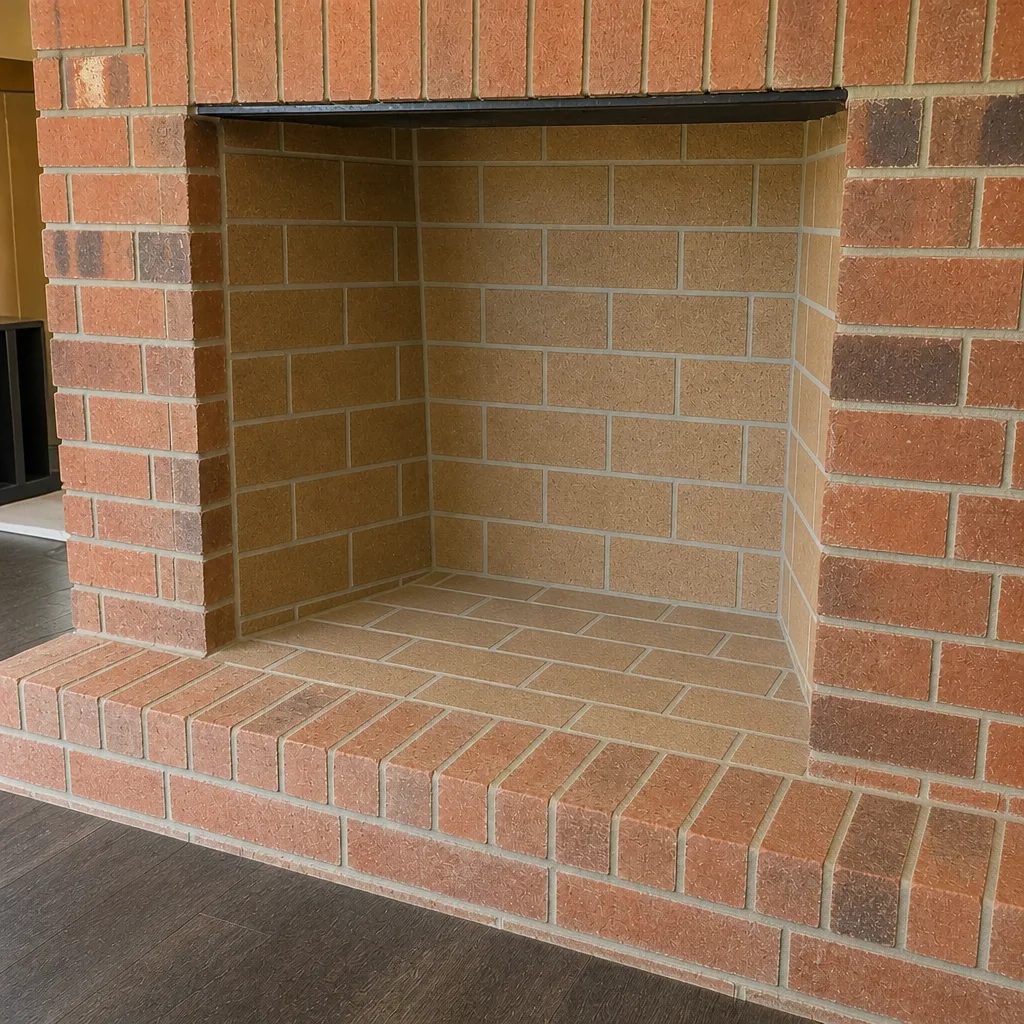
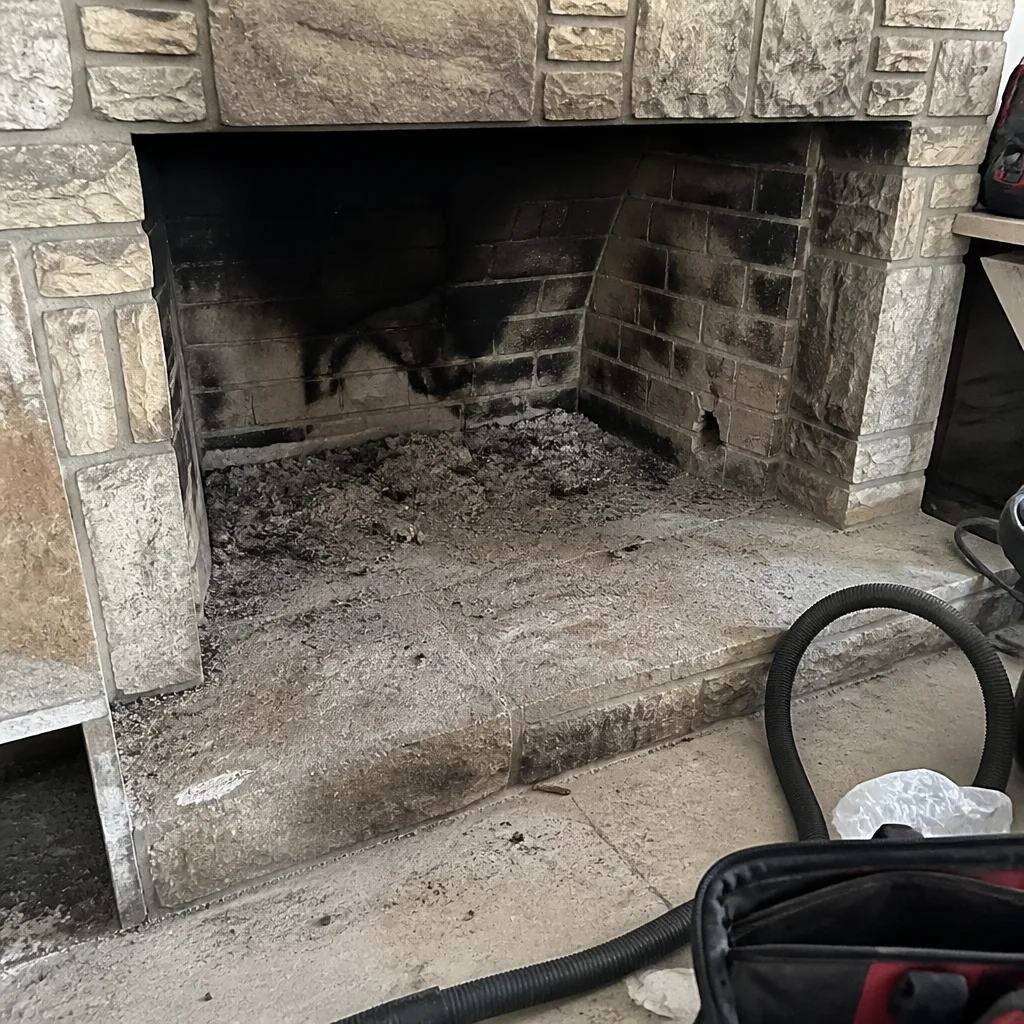
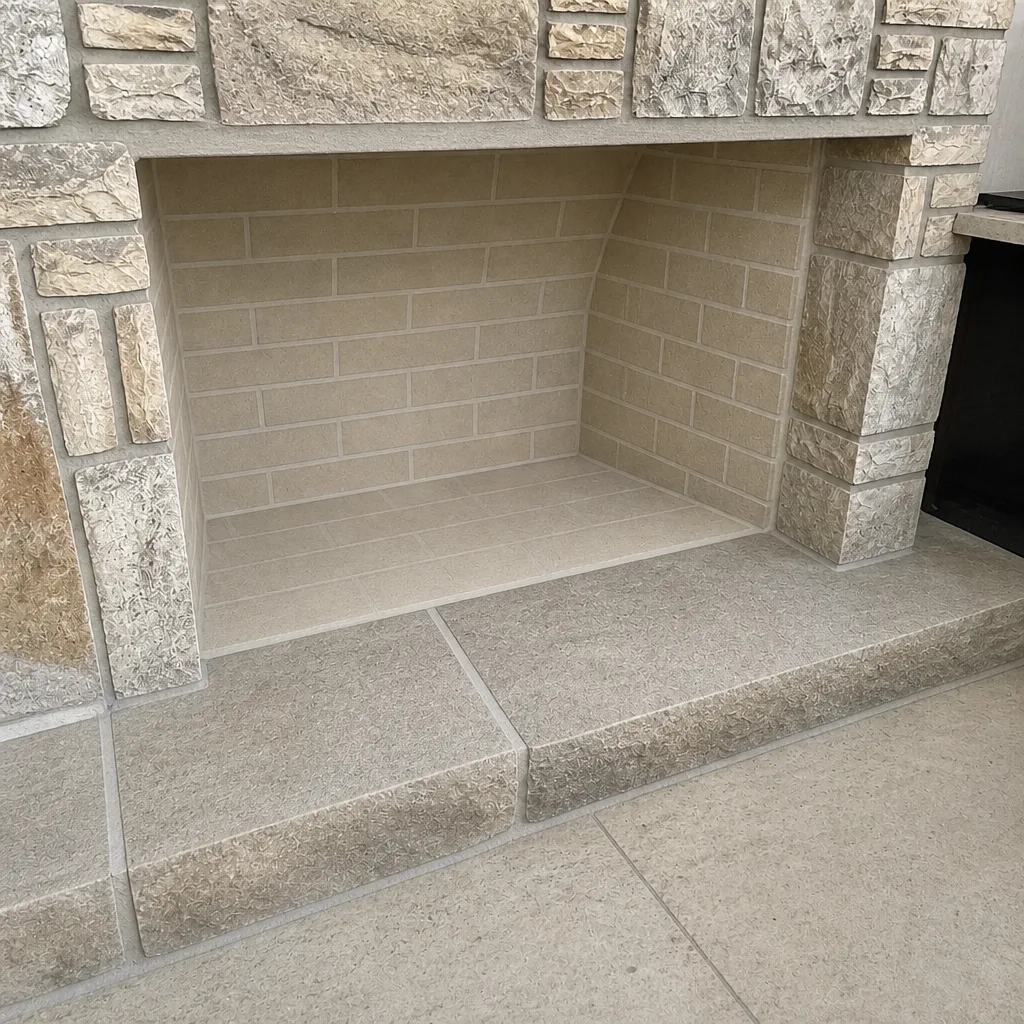
See the difference
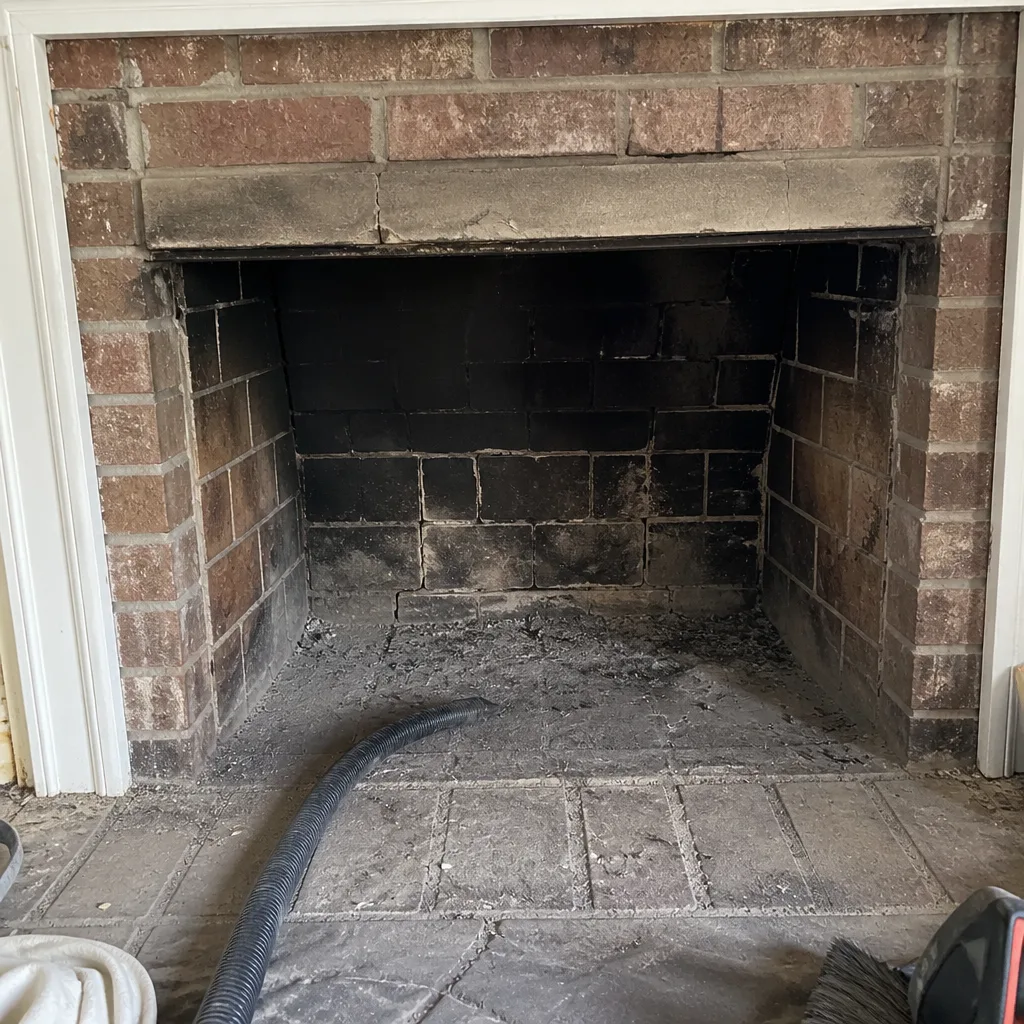 Before
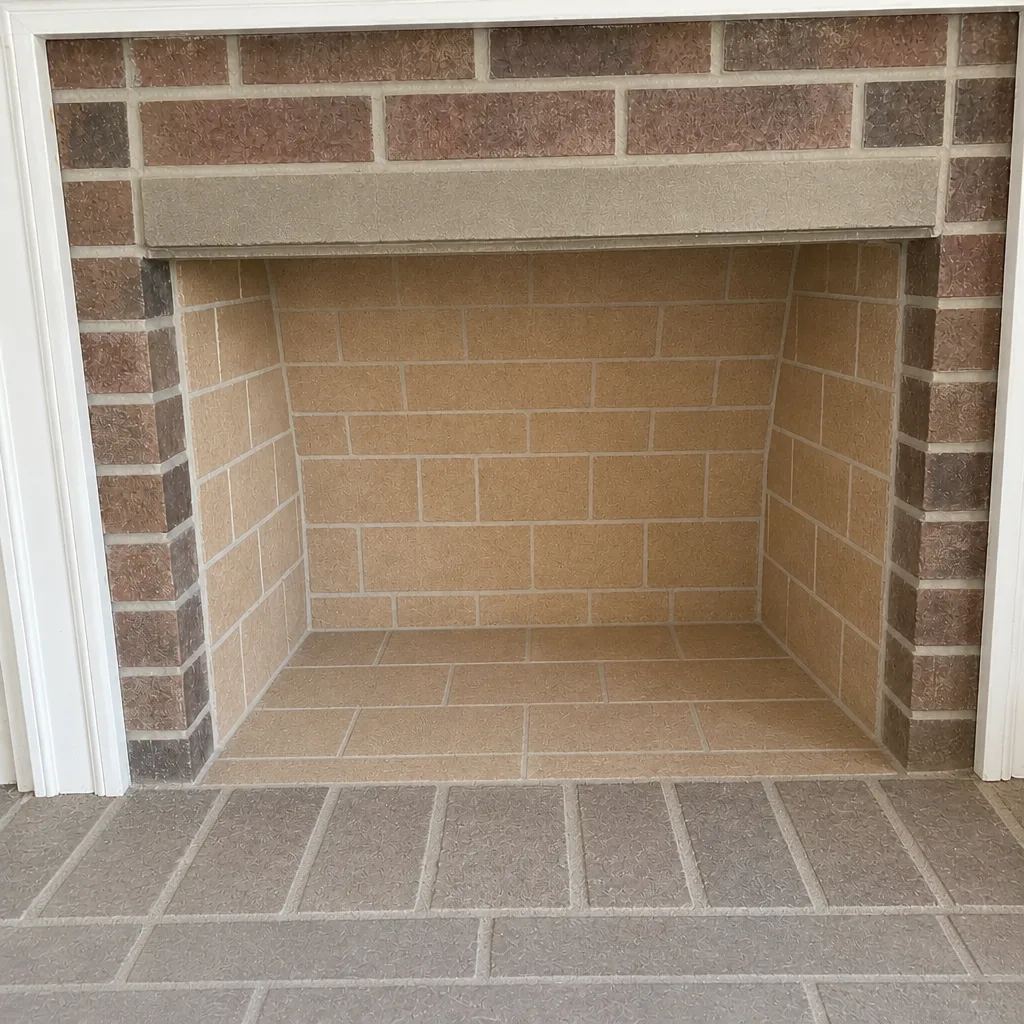 After
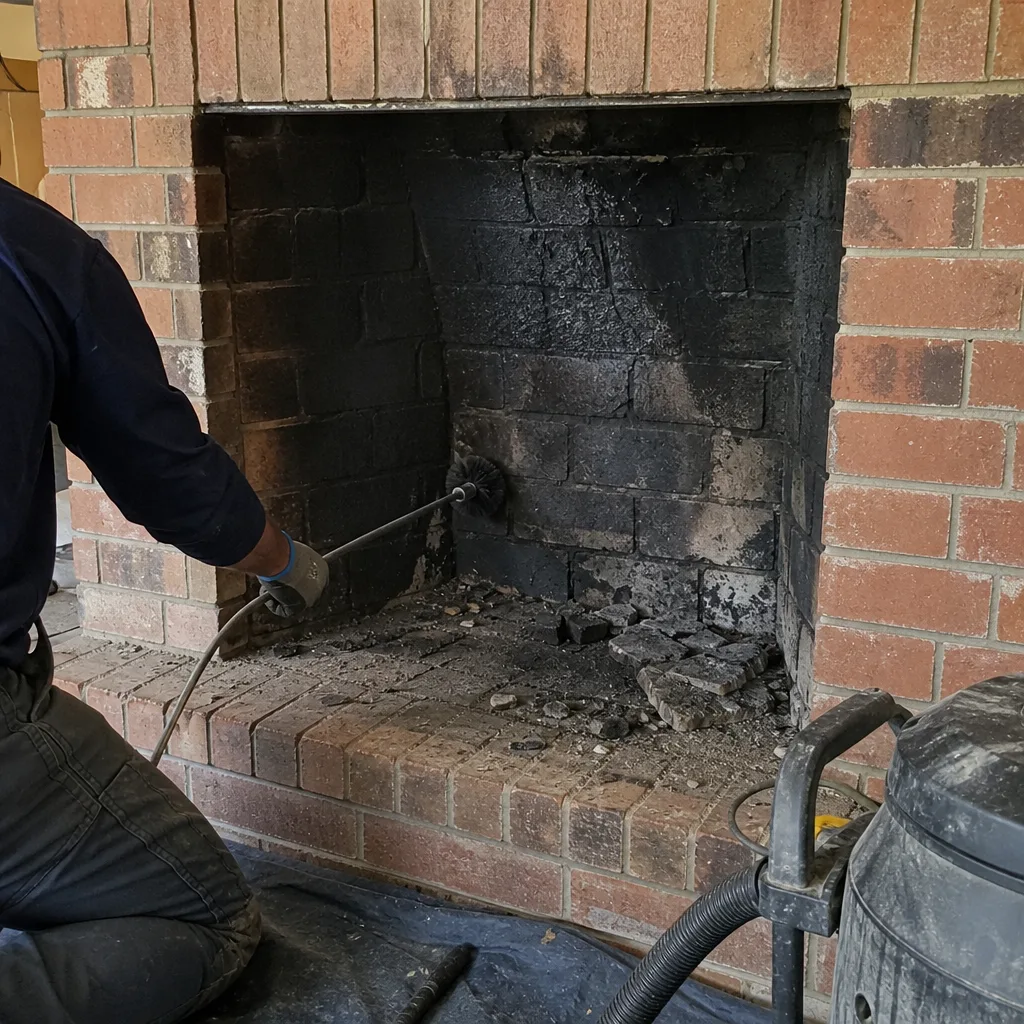 Before
 After
 Before
 After
When to Call a Professional
Some chimney situations need a call. If you’ve moved into a Garland home and don’t know when the chimney was last serviced, start with a cleaning and a Level 2 inspection. If you’ve had a chimney fire, however small, have the flue inspected before the next burn. If you smell smoke in the house when the fireplace isn’t lit, or see creosote flakes on the firebox floor, that’s a sign of a deposit problem and a draft issue. If your dryer is taking longer to dry clothes or feels unusually hot, that points to a vent restriction. And if you’ve never seen the inside of your flue, call a sweep who’ll show you. Dayspring Chimney Sweep offers free estimates in Garland – call (855) 974-6812.
Frequently Asked Questions
Chimney cleaning pricing varies with the level of inspection, the fuel type, and whether the chimney is accessed from the roof or an interior cleanout. The price is set per job by the written estimate before any work begins, so ask for the estimate in writing and confirm what’s included. Call (855) 974-6812 for an exact quote – estimates are free.
Most wood-burning fireplaces should be swept once a year or after roughly a cord of wood, whichever comes first. Gas fireplaces and wood stoves have their own intervals based on manufacturer guidance and use. In Garland, a fireplace that burns through part of a mild winter may go longer between cleanings, but the annual inspection should still happen. Call (855) 974-6812 to book a cleaning or ask what interval fits your setup.
Creosote continues to build, hardens toward the glazed stage, and becomes ignitable at lower temperatures. A cracked liner left unchecked gives a fire a path into the structure. Skipping a cleaning doesn’t create an immediate fire, but it removes the inspection that would catch the hazard. Call (855) 974-6812 for a cleaning and inspection.
You need a camera inspection (a Level 2) if anything has changed: a new home, a fuel switch, a liner replacement, or a chimney fire. Routine cleaning after intended use calls for a Level 1. A camera is what shows you the flue interior you can’t see. Call (855) 974-6812 if you’re unsure which level applies to you.
Yes. Handling both in one visit addresses the two leading venting fire hazards in a home at the same time rather than requiring two separate vendor calls. That single-visit convenience is one reason homeowners schedule both together. Call (855) 974-6812 to set up a combined visit.
You should be shown photos and a written description of what was found before anyone leaves. A repair-capable sweep can quote and complete the work directly; a sweep without repair capability can only report it. Ask before booking which one you’re getting. Call (855) 974-6812 for a cleaning that includes repair capability on the truck.
The Bottom Line
Chimney cleaning in Garland isn’t a single brush pass. It’s a diagnostic process that reads your fuel type, your liner condition, and the strain that North Texas clay soil has put on the masonry over time. A thorough cleaning includes a documented inspection, photos of the flue interior, and a written list of findings you can actually see and act on. If you’re unsure when the chimney was last serviced, start with a cleaning and a recommended inspection level. If you’d rather not leave a known hazard in a report, ask for a sweep who can do the repair. Dayspring Chimney Sweep provides chimney sweeping, dryer vent cleaning, and chimney repair – handled in-house, with professional-grade materials including DuraFlex, HeatShield, Gelco and Olympia Chimney. Call (855) 974-6812 to book a free estimate. We answer 24/7. Fast dispatch from 7am to 7pm, Sunday through Friday.
Estimates are always free and the written estimate sets the final price. And if you’re comparing service options, look for a sweep who can do both the cleaning and the repair, and who’s willing to show you exactly what they found.
Written by the team at Dayspring Chimney Sweep, serving Garland since 2016.