
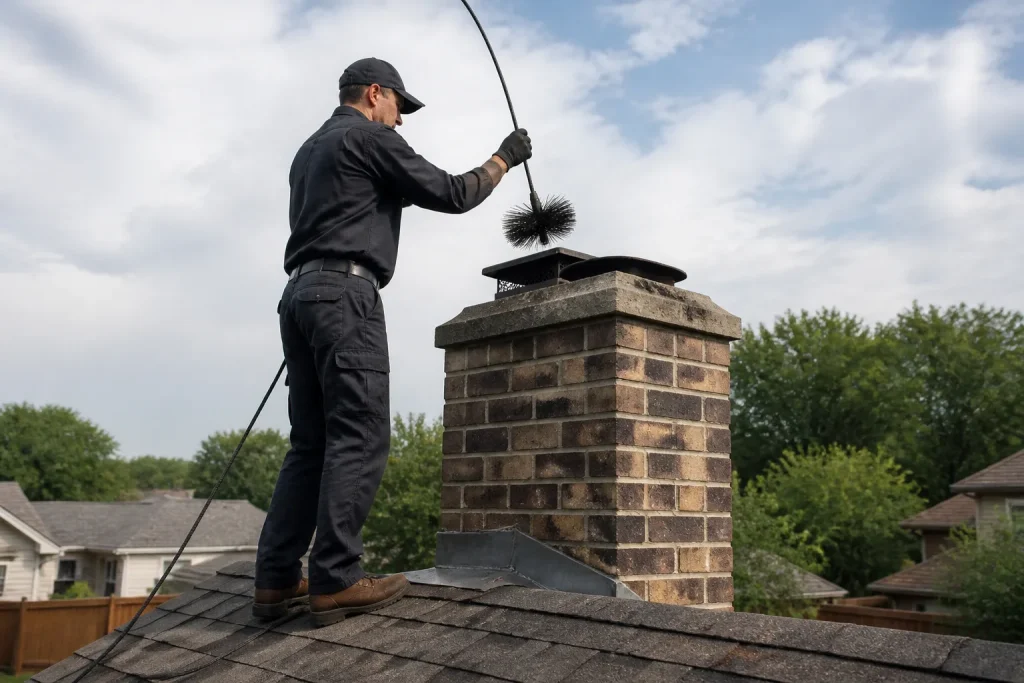
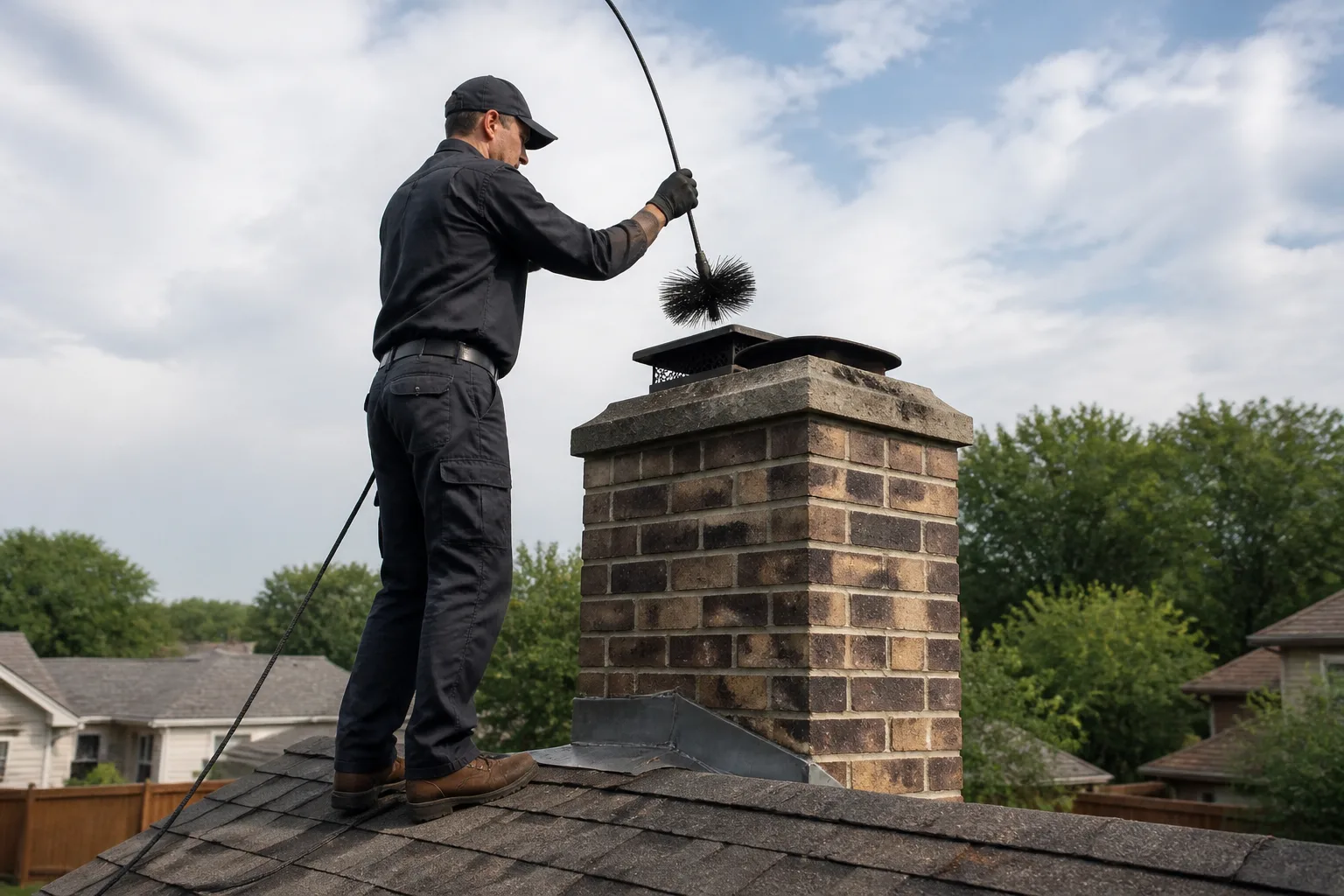
Gelco Chimney Sweep in Garland: A Homeowner’s Guide
If you searched “Gelco chimney sweep,” you were probably quoted a liner repair and handed a brand name without an explanation. Here’s the short version: Gelco is a brand of chimney liner and venting product, not a type of service. A certified sweep installs Gelco flexible stainless liner systems to reline a damaged or undersized flue. This guide explains what Gelco products actually do, when relining is the right fix, and how a typical installation proceeds in Garland, TX. If you’d rather skip the research and get a straight answer from a pro, call (855) 974-6812.
What Is a Gelco Chimney Liner System?
A Gelco chimney liner system is a flexible stainless steel liner used to reline the inside of a chimney flue. When the original clay tile liner cracks, spalls, or was never the right size for the appliance, a Gelco liner creates a new, sealed passage from the firebox or wood stove up through the top of the chimney. It’s one of the standard professional-trade products used by certified restoration contractors. In our experience around Garland, most homeowners who ask about Gelco have a wood-burning fireplace or insert and have been told their flue needs relining.
Here’s what a Gelco liner actually is and isn’t:
- What it is: a flexible stainless liner, typically sold as a kit with the liner, top plate, and appliance connector.
- What it does: gives combustion gases a continuous, correctly sized path up and out of the chimney.
- What it isn’t: a cleaning service, a coating, or a quick patch. It’s a structural liner replacement.
Gelco is not the only brand in the trade. DuraFlex and Olympia Chimney make comparable systems, and HeatShield is a different approach entirely: a resurfacing product applied to the inside of an existing clay flue rather than a full liner replacement. Which one is right depends on the condition of the flue, not on a brand preference. A sweep who recommends a Gelco system without first running a camera up the flue is guessing. If you want the full sweep-and-inspection path, our chimney sweep service starts there.
When Does a Chimney Need Relining vs. Just a Cleaning?
A chimney needs relining when the flue’s interior surface is compromised: cracked tiles, gaps between tiles, heavy glaze creosote, or a flue that’s the wrong size for the appliance. If the flue is sound and the problem is just creosote buildup, cleaning is the answer, not relining. The only way to know which situation you’re in is a camera inspection. In our experience, homeowners in Garland who’ve been quoted a liner repair often fall into three groups: genuinely cracked flues, flues plugged with glaze creosote, and flues that are fine but were oversized or undersized from the start.
Here’s the rough decision tree:
- Sound flue, normal creosote: sweep and go. Repeat annually.
- Sound flue, heavy glaze creosote: sweep first, then inspect again. Sometimes HeatShield resurfacing is enough.
- Cracked or spalled clay tiles: reline. A Gelco or DuraFlex system seals the flue from top to appliance.
- Flue too large or too small: reline with the correct diameter so draft and venting work as intended.
What you don’t want is a liner sold to you before anyone has seen inside the flue. Ask for the camera footage. A good sweep will hand it to you without being asked. If they can’t, that’s your answer about whether the recommendation is diagnosis-driven.
How a Gelco Liner Installation Actually Proceeds
A Gelco liner installation follows a predictable sequence, and knowing the steps helps you evaluate any bid you receive. It starts with measurement: flue dimensions, height, appliance type, and connector size. Then comes removal of the old liner if one is present, followed by insertion of the flexible stainless liner from the top, termination at the chimney cap, and connection at the firebox or stove collar. Each stage has to be done in order, and each one matters.
The steps, in plain terms:
- Inspection and measurement: camera footage establishes flue condition; measurements determine liner diameter and length.
- Prep: the old liner, if any, comes out. The flue is cleaned first so the new liner doesn’t sit against creosote.
- Insertion: the flexible liner goes in from the top, gently, without kinks that would restrict draft.
- Top termination: a top plate or cap holds the liner in place and seals the chimney crown.
- Appliance connection: the liner connects at the firebox, insert, or stove flue collar with a proper connector.
- Verification: a final check confirms draft, fit, and that gases have a clear path up and out.
If you’re in Garland and also have a dryer vent that hasn’t been cleaned, that’s a separate system but the same family of fire-hazard maintenance. Our dryer vent cleaning can be handled on the same visit as a chimney sweep, which spares you a second appointment. One visit, two venting systems checked.
Why Liner Sizing Matters More Than the Brand
Liner sizing matters more than the brand on the box because the wrong diameter is what causes most relining failures. A liner that’s too small chokes the appliance, causing smoke backup and weak draft. A liner that’s too large cools the flue gas too quickly, which encourages creosote to condense inside the flue. Either way, you’ve paid for a new liner and still have a problem. The correct diameter depends on the appliance’s output and the flue’s height, not on what’s in stock.
What to watch for when you get a bid:
- Did they measure the appliance? A sweep should know the input rating of your fireplace or stove before selecting a liner size.
- Did they account for flue height? Taller flues and shorter flues pull differently.
- Did they tell you the diameter they’re specifying? You should see the number on the written estimate.
In Garland, most of the liner problems we run into trace back to undersizing on wood stoves installed by a previous owner, or to oversized flues behind a fireplace that never drafted well. Both are fixable, but only if the liner is sized to the actual appliance. If a contractor quotes “a Gelco liner” without explaining diameter or input rating, ask. It’s a fair question, and a competent sweep will have the answer on the spot.
Questions to Ask Before You Approve a Gelco System
Before you approve a Gelco liner installation, ask five questions and expect five specific answers. The questions exist to separate a diagnosis-driven recommendation from an upsell. If the contractor can’t show you the evidence behind the recommendation, you’re not being sold a repair; you’re being sold a product.
- Can I see the camera footage of my flue? They should have it, and they should share it.
- What’s the condition of the clay tiles? Cracked, spalled, offset, or sound?
- What liner diameter are you specifying, and why? The answer should reference your appliance’s input rating.
- Who’s installing it, and are they qualified for liner work? Ask about trade practice and training for liner installations specifically.
- What happens if the flue needs more than a liner? Cracks can be sealed with HeatShield; damaged crowns may need repair first.
In our experience, the honest answer to question five is often “we don’t know until we run the camera.” That’s the right answer. A contractor who claims certainty before inspection is guessing, and guessing on a chimney flue is how fires start. If you’ve recently bought an older home in Garland, ask for a full inspection and a written photo report before you schedule any relining work.
Related services in Garland
If your home has both a chimney and a dryer vent, both are fire-hazard maintenance and both benefit from a professional eye. Dayspring Chimney Sweep handles chimney sweeping, dryer vent cleaning, and chimney repair in-house, so a problem found during a sweep doesn’t get handed to a subcontractor you’ve never met. We carry Gelco, DuraFlex, and HeatShield as professional-trade products because we do the repair work ourselves, not just the cleaning. Learn more about our Garland service area and what a typical visit involves.
The Bottom Line
Gelco is a brand of flexible stainless chimney liner used to reline a damaged or incorrectly sized flue. It’s the right fix when the flue’s interior is compromised or the diameter is wrong for the appliance, and the wrong fix when cleaning or spot repair would do. The recommendation should always start with a camera inspection and be backed by a written estimate that names the liner, the diameter, and the reason. If you’re in Garland and need help, Dayspring Chimney Sweep offers free estimates. Call (855) 974-6812. We answer 24/7. Fast dispatch from 7am to 7pm, Sunday through Friday.
Frequently Asked Questions
A Gelco chimney liner is a flexible stainless steel liner used to reline a damaged or undersized flue. It creates a new, sealed passage from the appliance to the top of the chimney. It’s a liner replacement product, not a cleaning service. If you’ve been quoted one, ask for the camera footage behind the recommendation. Call (855) 974-6812 for a free estimate.
Cleaning is enough when the flue is sound and the problem is only creosote buildup. A new liner is needed when the clay tiles are cracked, the flue is the wrong size for the appliance, or heavy glaze creosote can’t be resolved by sweeping alone. The deciding factor is a camera inspection, and a good sweep will show you the footage. Call (855) 974-6812 for a free estimate.
Most single-flue liner installations are completed in a day once measurement and prep are done. Removal of an old liner, awkward roof access, or additional repairs can extend the timeline. Your written estimate should state the scope so you know what the day involves. Call (855) 974-6812 for a free estimate.
A chimney should be swept annually if you burn wood regularly, and inspected at least once a year even if you don’t. Creosote builds up quietly, and small tile cracks don’t announce themselves. A yearly sweep with a camera check catches both early. Call (855) 974-6812 for a free estimate.
Dayspring Chimney Sweep has been serving Garland since 2016, and we’ve built the company around bringing a venting system back to safe operating condition rather than running a brush and leaving. We work with DuraFlex, HeatShield, Gelco, Olympia Chimney, Famco, and Copperfield, and we handle chimney sweeping, dryer vent cleaning, and chimney repair in-house. Find out more at Dayspring Chimney Sweep.
Written by the team at Dayspring Chimney Sweep, serving Garland since 2016.
Need Chimney Cleaning Help?
Call Dayspring Chimney Sweep - licensed & insured, here with fast help in Garland.
(855) 974-6812