
Last updated November 14, 2026
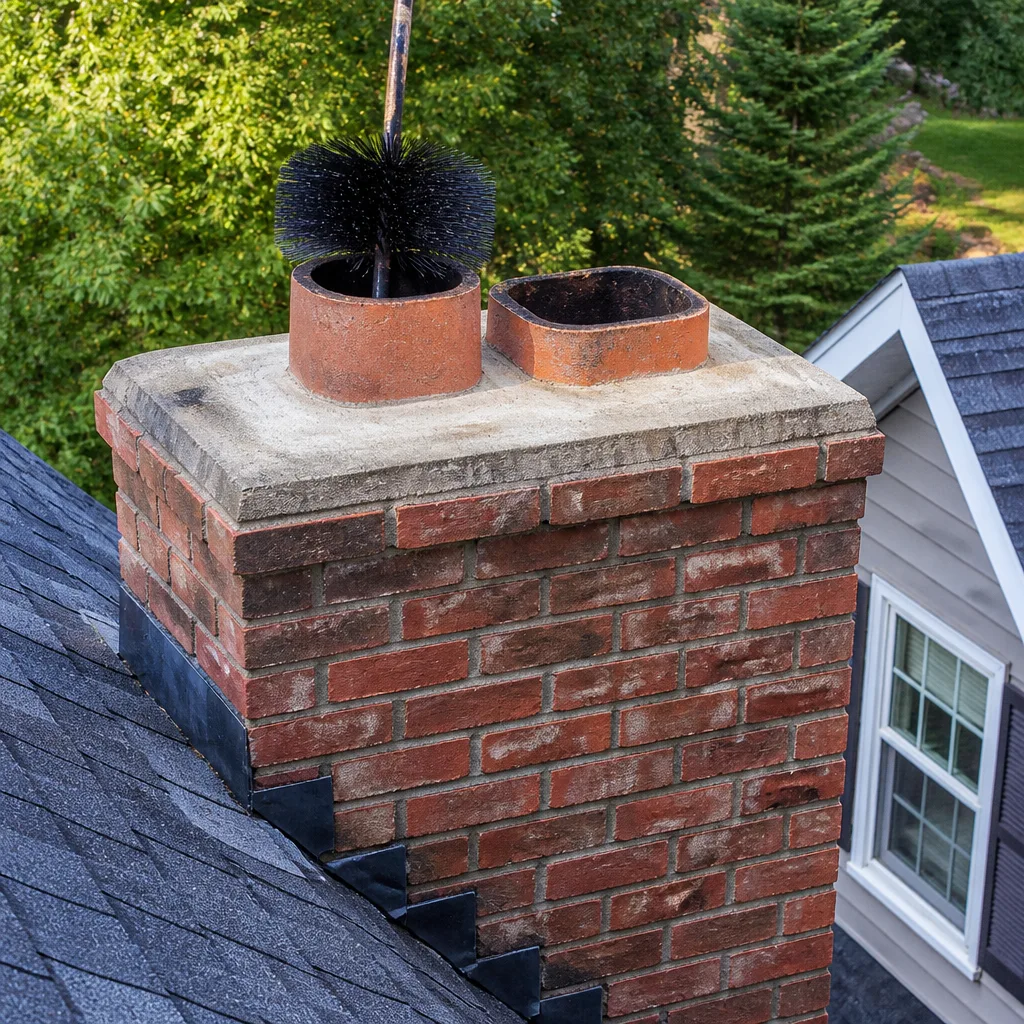 Sweep & inspection
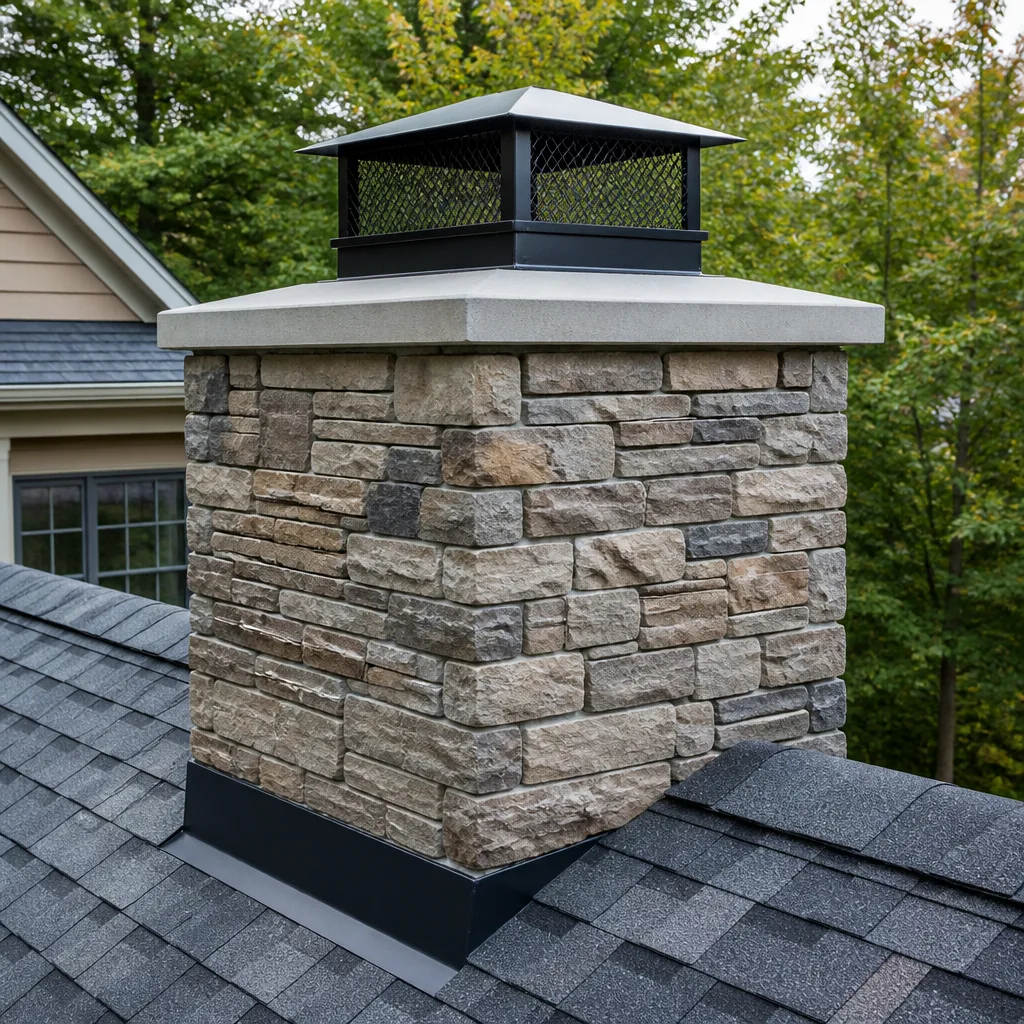 Caps & crowns
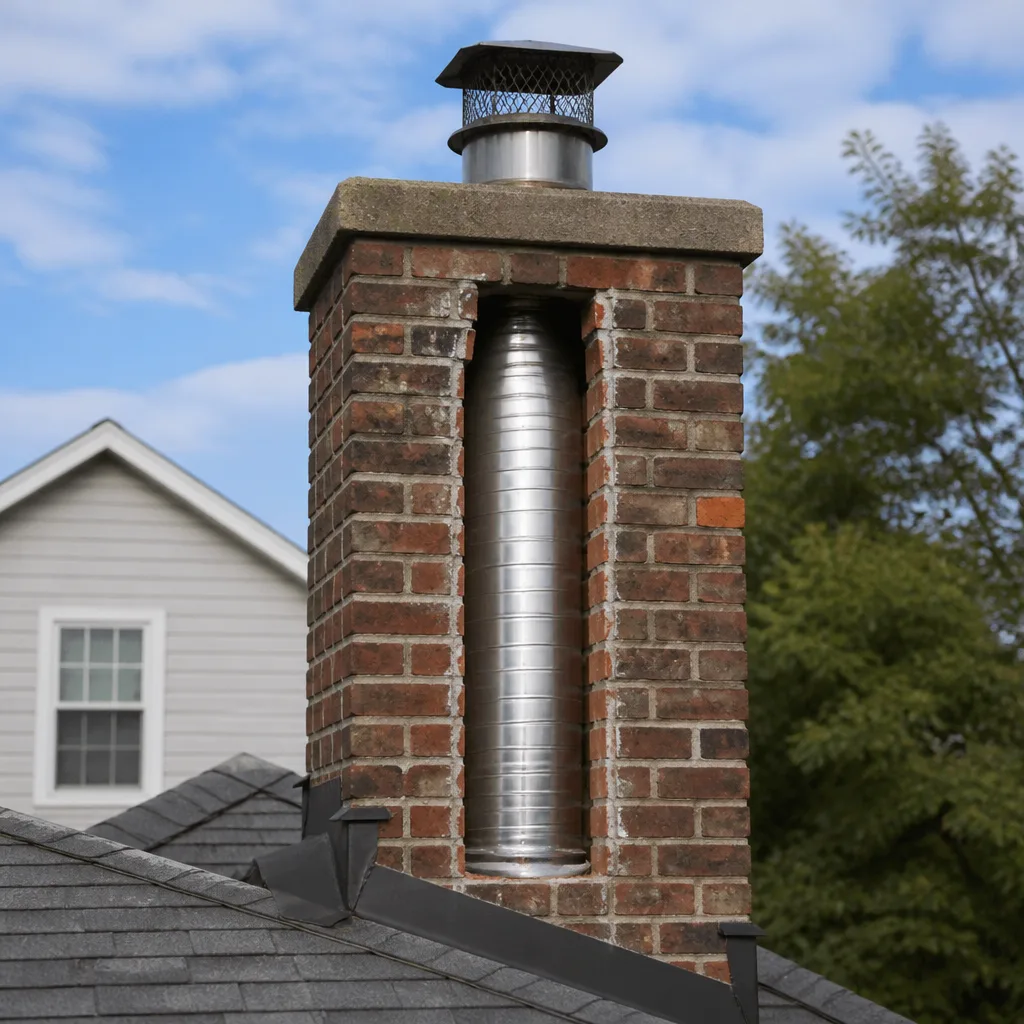 Flue relining
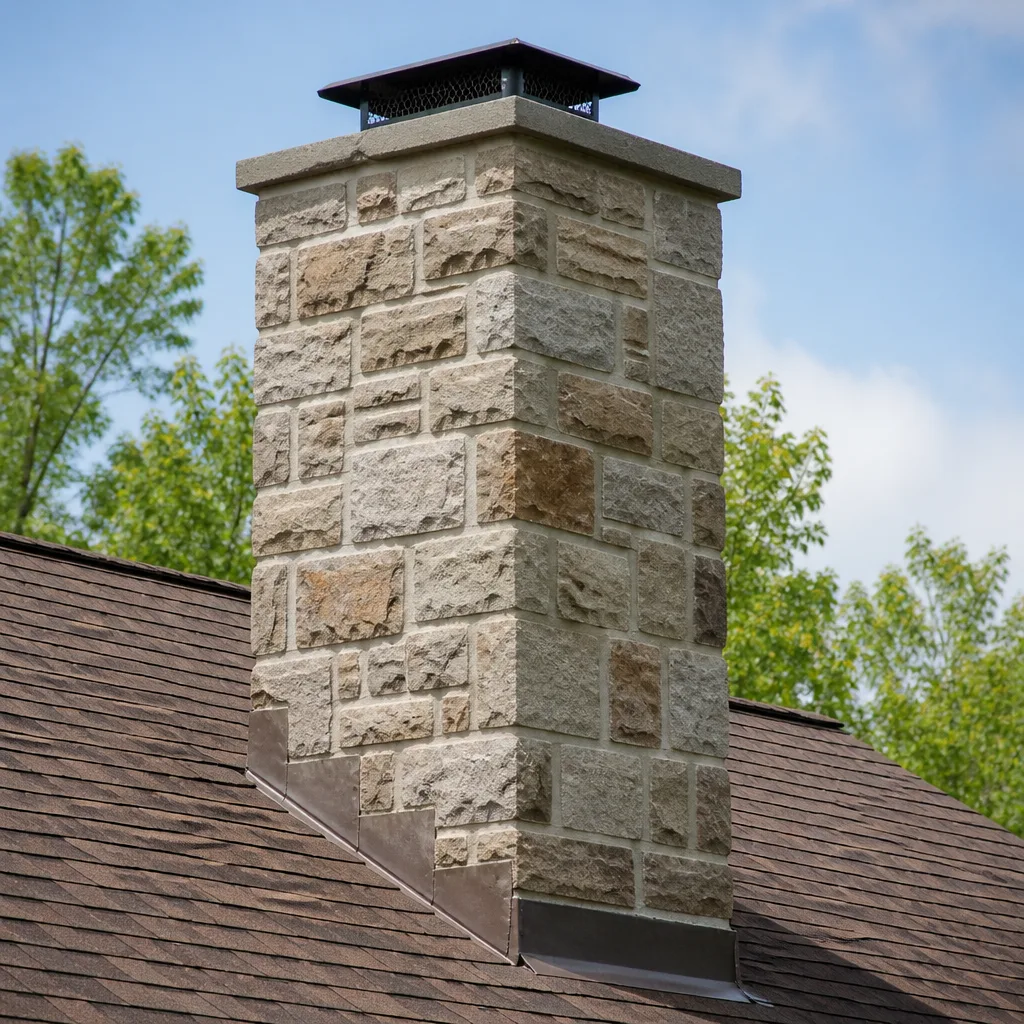 Masonry repair
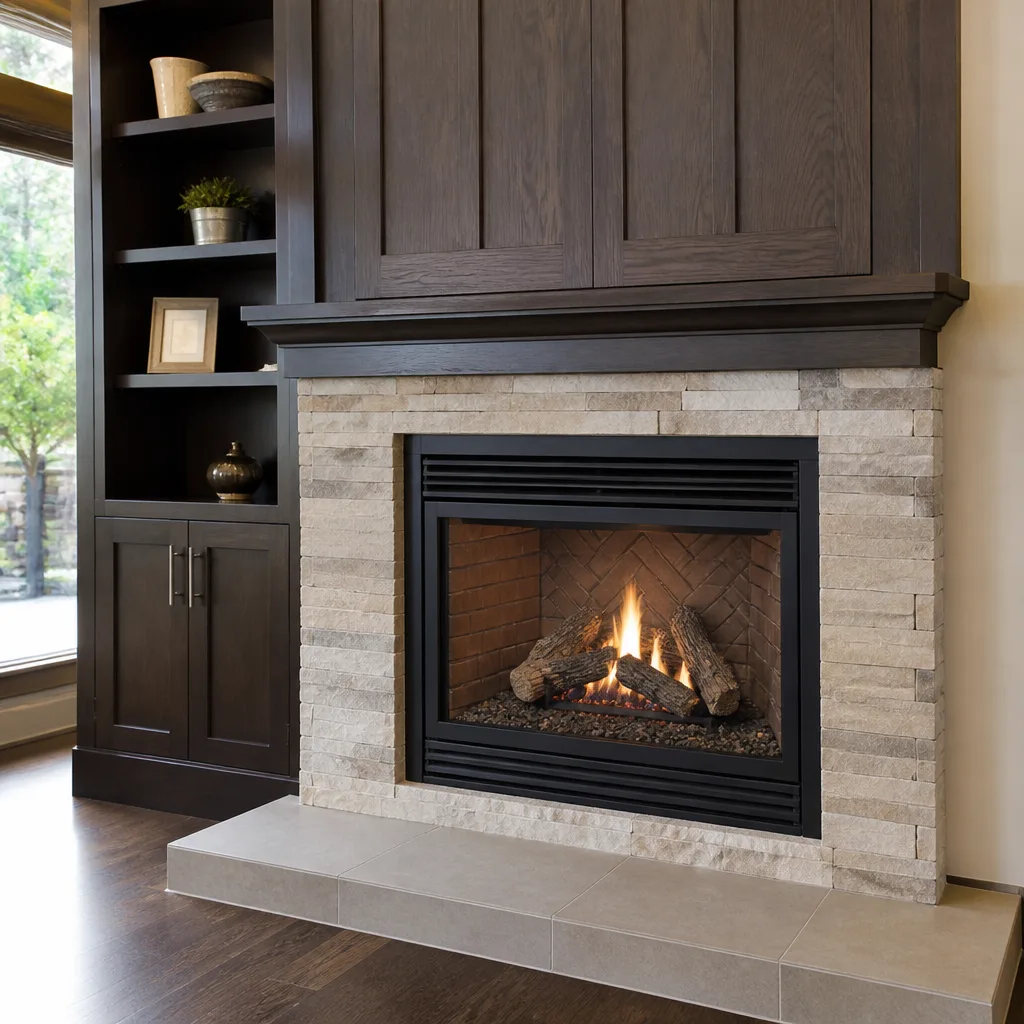 Gas fireplace service
Level 1 sweep and inspection to the NFPA 211 annual standard - flue, crown, cap, and flashing checked and photographed
Chimney sweep logs do not sweep chimneys. They loosen some creosote - which then falls where a brush and vacuum still have to collect it.
Chimney Sweep Maintenance Schedule: What to Do and When
Most chimney advice you’ll read says the same thing: sweep once a year. That rule is real, and it comes from the National Fire Protection Association, but it applies to chimneys that are actually used. If your gas fireplace ran twice last winter, the annual schedule doesn’t fit the same way it fits a wood-burner that ran forty nights. Garland homeowners get handed the same generic reminder every fall, and it ignores the two things that actually drive what your chimney needs: what you burn and how much of it. This guide replaces the calendar reminder with a decision tree, so you know which tasks belong in spring, which belong in October, and which ones your system can safely sit out for another season.
Quick Answer
Sweep a wood-burning chimney after every cord of wood burned, or once a year at minimum. Check a gas fireplace’s venting once a year even if the logs barely ran. Inspect the exterior after any hail, ice storm, or high-wind event in North Texas. Log what you find each year so you can tell a slow problem from a new one.
Styles & brands we work with
- Sweep & inspection
- Caps & crowns
- Flue relining
- Masonry repair
- Gas fireplace service
Table of Contents
- The Real Schedule Starts With What You Burn
- How Often to Clean a Wood-Burning Chimney
- Spring After the Last Fire vs. October Before the First
- Gas Fireplace Maintenance Is Not Optional
- Post-Storm Inspection: What North Texas Weather Does to Chimneys
- How to Log Findings Year Over Year
- A Month-by-Month Garland Maintenance Calendar
- Common Mistakes to Avoid
- When to Call a Professional
- Frequently Asked Questions
The Real Schedule Starts With What You Burn
Two houses on the same street in Garland can need completely different maintenance. What separates them isn’t the age of the house or the brand of the fireplace. It’s fuel type, burn frequency, and what the last inspection found.
For anything solid-fuel (wood in a fireplace or wood stove, or pellets), the trigger is creosote, a tar-like residue left by incomplete combustion. It builds up faster with unseasoned wood, smoldering fires, and restricted airflow. When creosote ignites in a flue, that’s a chimney fire, and the concentrated heat can crack the flue liner. A cracked liner is the pathway that lets heat, sparks, and carbon monoxide reach the wood framing around the chimney. That’s the hazard, in plain terms. It’s not a slow nuisance that fixes itself.
For gas, the creosote question doesn’t apply the same way. Gas burns cleaner, but a gas log set still produces exhaust and moisture that travel through the flue. Venting problems, blocked flues, and debris from birds or leaves matter just as much. A gas fireplace that looks fine can still have a flow problem you’d never see from the living room.
Here’s the practical shape of it:
- Wood burned regularly (roughly a cord or more a season): sweep at least annually, and more often if your inspection notes heavy creosote.
- Wood burned occasionally (a dozen fires a winter): annual inspection, sweep when the inspection calls for it.
- Gas logs or a gas insert (even light use): annual venting check regardless of how many times it ran.
- Wood stove (primary or secondary heat): the strictest schedule, since these run hot and long, and creosote accumulates differently than in an open fireplace.
That’s the framework. The rest of this guide fills in the timing, the tasks, and the one habit most homeowners skip: tracking what the inspection found last year so you can spot progression before a small issue becomes a repair.
How Often to Clean a Wood-Burning Chimney
Calendar month is the wrong trigger for a wood-burning chimney. The more accurate measure is how much cord-wood you actually put through it. Creosote accumulates in proportion to fuel burned and how that fuel burns, not to how many months have passed.
In our experience, one cord of seasoned hardwood is a useful working interval for a sweep. If you burn a cord a winter, plan a sweep each year. If you burn three cords, the flue may need attention more than once. If you burned half a cord and the wood was dry and the fires ran hot, the inspection might confirm there’s plenty of margin left. The inspection is what settles it; the cord count is only the honest starting estimate.
What raises the buildup rate beyond simple volume:
- Green or unseasoned wood. Wet wood smolders instead of burning clean, and smoldering produces more creosote. Seasoned wood, split and dried, burns hotter and leaves less behind.
- Smoldering, dampered-down fires. A fire choked back to stretch overnight burns inefficiently and deposits more in the flue.
- Cold flue starts. A cold flue draws poorly on the first fire of the season. The smoke hangs and deposits before the chimney warms and drafts properly.
- Restricted air supply. Blocked or partially closed dampers, or a flue that’s undersized for the firebox, all slow the draft and add to buildup.
What a sweep actually removes matters too. A professional sweep clears the flue of creosote and soot, checks the damper and firebox, and looks up the flue with a camera so the findings are visible. That’s the difference between a brush-and-go and a real inspection: you get a picture of what’s in the flue, not just a note that it was cleaned. If the camera shows a cracked liner or deteriorated mortar joint, a repair-capable company can address it rather than handing you a report and a phone number to call someone else.
If you’re unsure whether your last cleaning was thorough, our chimney sweep service includes a camera inspection and a photo report, so you can see for yourself what condition the flue is in.
How to tell you’re due before the calendar says so
Some signals mean stop burning and get the flue checked now, regardless of month:
- Reduced draft. Smoke rolling into the room on start-up, or a fire that’s harder to light than it used to be.
- A strong, acrid odor from the fireplace even when it’s not in use, especially on warmer days. That’s creosote off-gassing.
- Visible soot or flaky black deposits at the top of the firebox or on the damper.
- A “glazed” look inside the flue, which can signal heavier creosote that a standard brush won’t remove.
- Birds or animals in or around the flue in spring, which can leave nests that block the draft.
Any one of those justifies a call. A chimney is a vent, and a vent that’s working is silent and boring. When it stops being boring, it’s telling you something.
Spring After the Last Fire vs. October Before the First
Here’s where most maintenance schedules fall apart. Homeowners treat “chimney maintenance” as one task done once, usually in the fall, and assume spring is irrelevant. The two seasons call for completely different work. Getting the order right is what keeps a small issue from becoming a spring repair bill.
Spring: the season for cleaning and inspection
Once the last fire of the season has burned out, the chimney’s job is done until fall. That makes it the right window for the tasks that prepare it for a rest:
- Close the damper fully when the fireplace isn’t in use, so cool air, humidity, and wildlife stay out of the flue.
- Book the sweep and inspection after the last fire. Creosote sits in a flue all summer; a clean flue sitting idle is far better than a loaded one.
- Check the cap and crown. Winter storms and spring wind can loosen a cap or open a hairline crack in the crown. Spring is when those are easy to spot and easy to fix.
- Look for water intrusion inside the firebox or on the chimney breast after heavy rain. Moisture rusts dampers, corrodes the firebox, and breaks down mortar over time.
- Handle any repair the inspection flagged before it becomes a cold-weather problem. The mild winters here make spring repair work comfortable, and it means you’re not scrambling for a slot in October.
October: the season for the pre-season check
Before the first fire, the tasks are different. The goal isn’t cleaning; it’s confirming the system is ready to run safely. So:
- Open and exercise the damper. Confirm it opens fully and closes flush. A damper stuck open wastes heat; stuck closed, it’s a smoke problem.
- Clear the firebox of ash left from last season, keeping a modest ash bed if the manufacturer advises it, and remove any debris that drifted in.
- Confirm the cap and spark arrestor are still secure and clear after spring and summer storms.
- Have the flue inspected if it wasn’t done in spring. Catching a liner problem in October means it can be fixed before the first fire instead of after.
- Check smoke and carbon monoxide detectors and replace batteries. These aren’t chimney parts, but they’re the backstop for the two hazards a failing flue can create.
If you do only one thing in spring and one thing in October, make it: sweep and inspect after the last fire, and test the damper, cap, and detectors before the first. That split is the spine of a workable schedule for a Garland fireplace that sees real use.
Gas Fireplace Maintenance Is Not Optional
A gas fireplace that ran twice last winter still needs an annual venting check. That’s the part homeowners push back on most. The logs look brand new, there’s no ash, no soot, so why bother? Because the hazards of a gas appliance aren’t creosote, and the venting system doesn’t care how often the fire was lit.
Gas log sets and gas inserts still produce exhaust that exits through the flue. They also produce moisture, which can collect in a cold flue, and the firebox and burner can collect dust, insect debris, or rust over a summer of disuse. A blocked or partially blocked flue is a problem whether the fire has run a hundred times or twice.
The safety side is carbon monoxide. A properly venting gas fireplace sends exhaust up and out. A compromised one can let it back into the room, and carbon monoxide is odorless and invisible, which is exactly why it’s worth a check rather than a guess. A detector is your backstop; a venting inspection is what confirms the setup is doing its job.
What an annual gas check covers:
- Flue and venting clearance, confirming the exhaust path is open and drafting correctly.
- Firebox and burner condition, looking for rust, debris, and damaged components.
- Log and ceramic condition, since a cracked log set can affect how the flame burns.
- The vent cap and termination, confirming nothing has moved or blocked the exterior end of the vent.
For a gas appliance, annual maintenance is a venting and safety check. For wood, it’s a cleaning and inspection. Same calendar rhythm, different work, and treating them as interchangeable is where people get it wrong. If you’re in a Garland home with a gas fireplace you rarely touch, the annual check is the one appointment not to skip. Dryer vents sit in the same category of fire-safety maintenance, and our dryer vent cleaning handles the lint that builds up when nobody looks. Both hazards are venting problems, and both are easy to check in a single visit.
Post-Storm Inspection: What North Texas Weather Does to Chimneys
Between scheduled visits, the weather here can undo months of careful maintenance in an afternoon. North Texas storms are the reason a yearly calendar isn’t enough by itself. Hail, ice storms, and straight-line wind all touch the parts of a chimney that live above the roof, and those parts are the ones that keep water and debris out of the flue.
What each type of storm stresses:
- Hail pounds the crown, the cap, and the exposed masonry. Even small hailstones can chip a crown or crack a cap over repeated hits.
- Ice storms add weight and expansion pressure. The mild winters here don’t mean no ice; a single ice event can open a joint or loosen a cap fastening.
- High wind can lift or shift a cap, drive debris into the flue, and stress the mortar joints where chimney meets roofline.
- Wind-driven rain forces water into places a gentle rain doesn’t reach: cracked crowns, open flue tops, loose flashing. Water intrusion inside a chimney causes rust, deteriorated mortar, and long-term damage that’s invisible from the ground.
Post-storm inspection checklist
Do this from the ground, with binoculars if you have them. Don’t climb on a roof to check a chimney; the fall risk is real and unnecessary when a professional inspection can do it safely.
- Look at the crown (the concrete top of the chimney) for new cracks, chips, or pieces missing.
- Check the cap and spark arrestor for a shift in position, a bent screen, or full detachment.
- Scan the masonry from ground level for new cracks in the brick or missing mortar joints.
- Look at the roofline around the chimney for displaced flashing or debris piled against it.
- Look inside, where visible, for water stains on the firebox or chimney breast after the next rain.
- Listen for animals or nesting material if the cap looks damaged.
If anything looks off, book an inspection. A loose cap or a cracked crown is a small repair when caught early, and a bigger one when water has had a season to work its way into the masonry. Those repairs are the kind of thing a full-service sweep can handle on site, rather than logging it on a report and moving on. Companies that stock trade-grade materials can resurface a deteriorating flue and reset a cap in the same visit, so the fix doesn’t wait on a separate contractor.
How to Log Findings Year Over Year
This is the habit that separates homeowners who catch problems early from the ones who discover them as emergencies. A single inspection tells you the chimney’s condition today. A record of inspections over several years tells you whether a condition is stable or progressing.
A thin crack in a flue liner sounds alarming in isolation. But if the same crack was noted at the same width the last two years with no change, that’s a different situation than a crack that’s wider this year. The first may be watchable. The second demands action. Without a record, you’re relying on memory and vague reassurance, and neither is reliable.
What to record each year
Keep a simple folder, digital or paper, with one entry per inspection:
- Date of the inspection and the sweep.
- How much wood was burned since the last entry (rough cords).
- What the camera showed in the flue, and the inspector’s description of creosote level.
- Condition of the crown, cap, and damper.
- Any noted repair and whether it was done or deferred.
- Any storm events between inspections and what they may have affected.
The photo report from a camera inspection makes this easy. Save the photos each year in the same folder. A year-over-year set of images of the same flue is far more useful than a single report, because you can see the flue, not just read about it. When a technician recommends resurfacing or a liner replacement, the photos show you why, and you can compare. That transparency is what turns a repair recommendation from a leap of faith into a decision you can actually make.
If you’re in an older Garland home and this is your first year, a thorough first inspection is the baseline everything else builds on. The next few years of logging are what reveal the pace of any deterioration.
A Month-by-Month Garland Maintenance Calendar
Here’s the whole thing pulled together into a schedule you can actually follow, with the seasons moving the way they do in North Texas. Fireplace season here generally runs from late fall into early spring, with the long hot stretch in between being the quiet time for the chimney.
- Late spring (after your last fire): sweep and inspect. Close the damper. Check the cap, crown, and firebox for water intrusion. Handle any flagged repair now.
- Summer: the off-season. Watch for animal nesting around the cap, and keep an eye on the chimney breast after heavy storms. If repairs were recommended, summer is a comfortable window to get them done.
- After any significant storm (hail, ice, high wind): ground-level walk-around using the post-storm checklist. Interior stain check after the next rain.
- Early fall (before your first fire): test the damper, clear the firebox, confirm the cap is secure, and get the flue inspected if it wasn’t done in spring. Check detectors.
- During the burn season: note the cord count and watch for draft changes or the acrid odor that signals creosote. Stop burning and call for an inspection if any warning sign appears.
- Yearly: compare this year’s photos and notes against last year’s and decide whether anything needs action now or can safely wait.
That’s the loop. The exact months shift with the weather and with how much you burn, but the order holds: sweep after the last fire, verify before the first, and inspect after storms in between. If you live in an older home or one with a history you don’t know, a full first inspection sets the baseline, and our Dayspring Chimney Sweep page lays out how sweeping, vent cleaning, and repair fit together.
Common Mistakes to Avoid
- Sweeping on a date instead of a cord count. A calendar reminder tells you it’s autumn. It doesn’t tell you whether you burned half a cord or three. Use fuel burned as the working measure, and let the inspection confirm.
- Skipping the gas fireplace because it “never runs.” A gas log set that ran twice still has a vent path, and a blocked or compromised one can let exhaust into the room. Annual venting checks apply to light use, not just heavy use.
- Treating spring and fall as the same task. Spring is for cleaning, inspection, and repairs. Fall is for confirming the damper, cap, and detectors before the first fire. Doing both in the fall means the creosote sat all summer and repairs get rushed.
- Never checking after a storm. North Texas hail, ice, and wind can crack a crown or loosen a cap between scheduled visits. A ground-level look after a big event catches the small fix before it becomes a water-damage repair.
- Not keeping the inspection photos. A report you filed away three years ago tells you nothing about whether a crack is stable or growing. Save the photos year over year, or you lose the ability to compare.
- Assuming a cleaned chimney is a safe chimney. Cleaning removes what’s in the flue. It doesn’t repair a cracked liner or a failing crown. A sweep who only brushes and leaves is missing half the picture.
- Getting on the roof to check it yourself. The parts that matter most are up high and hard to see, and a fall from a roof is a serious injury. A ground-level look with binoculars plus a professional inspection covers it safely.
When to Call a Professional
Some things you can decide yourself with a ground-level look. Others need the flue examined with a camera. Call when fire has burned in the fireplace for a season without a sweep, when the draft has changed, when you smell an acrid creosote odor, when hail or ice has hit the chimney, or when you’ve bought an older home and don’t know the chimney’s history. Call if the cap looks loose or a crown is cracked, if water stains appear on the chimney breast, or if you see soot or flaking deposits that suggest a heavy creosote load.
Call before you book repairs from a report someone else wrote, too. The camera evidence is the point, and you should be able to see what the technician sees before deciding on anything. Dayspring Chimney Sweep offers free estimates in Garland, and carries the trade-grade parts to handle both the cleaning and the repair, so the fix doesn’t wait on a separate contractor. Call (855) 974-6812. We answer 24/7. Fast dispatch from 7am to 7pm, Sunday through Friday.
Frequently Asked Questions
Sweep a wood-burning chimney at least once a year, and more often if you burn a cord or more per season or your inspection shows heavy creosote. A gas fireplace needs an annual venting check regardless of how little it runs. The schedule follows fuel type and usage, not just the calendar.
Yes. A gas fireplace’s venting system still moves exhaust through the flue, and a blocked or compromised flue can let carbon monoxide back into the room no matter how often the fire was lit. An annual venting check confirms the path is clear and drafting as it should.
Spring, after the last fire, is the time to sweep and inspect, close the damper, and handle any repairs the inspection flagged. Early fall, before the first fire, is the time to exercise the damper, clear the firebox, confirm the cap is secure, and check your smoke and carbon monoxide detectors.
From the ground, look for new cracks or chips in the crown, a shifted or detached cap, new cracks in the masonry, and displaced flashing or debris around the roofline. After the next rain, check inside for water stains on the firebox or chimney breast. Anything looks off, book an inspection rather than climbing up yourself.
Because a record spanning several years shows whether a finding is stable or getting worse, which a single report can’t. The photo report from a camera inspection lets you compare the same flue year to year, so you can tell a watchable condition from one that needs repair now.
Yes. Both the chimney flue and the dryer exhaust are venting systems, and lint in a dryer vent is a fire hazard just as creosote in a flue is. Handling both in one visit covers the two leading home-fire venting risks without scheduling separate companies.
The Bottom Line
The once-a-year rule is a floor, not a ceiling, and it assumes the chimney is used. Match your schedule to what you actually burn: sweep wood after the last fire, check gas venting annually even with light use, and inspect after any North Texas storm that touches the roof. Split the tasks between spring cleaning and fall readiness rather than cramming both into October. Keep last year’s findings and photos so you can compare. And when a technician recommends a repair, ask to see the camera evidence, because that’s what lets you tell a real problem from a sales pitch. Build the loop once, follow it, and the chimney stays boring.
Dayspring Chimney Sweep has served Garland since 2016, handling sweeping, dryer vent cleaning, and chimney repair under one roof. Whether you’re due for a spring sweep or want an inspection before the first fire of the season, our Garland neighbors can call (855) 974-6812. We answer 24/7. Fast dispatch from 7am to 7pm, Sunday through Friday.
Written by the team at Dayspring Chimney Sweep, serving Garland since 2016.
See the difference
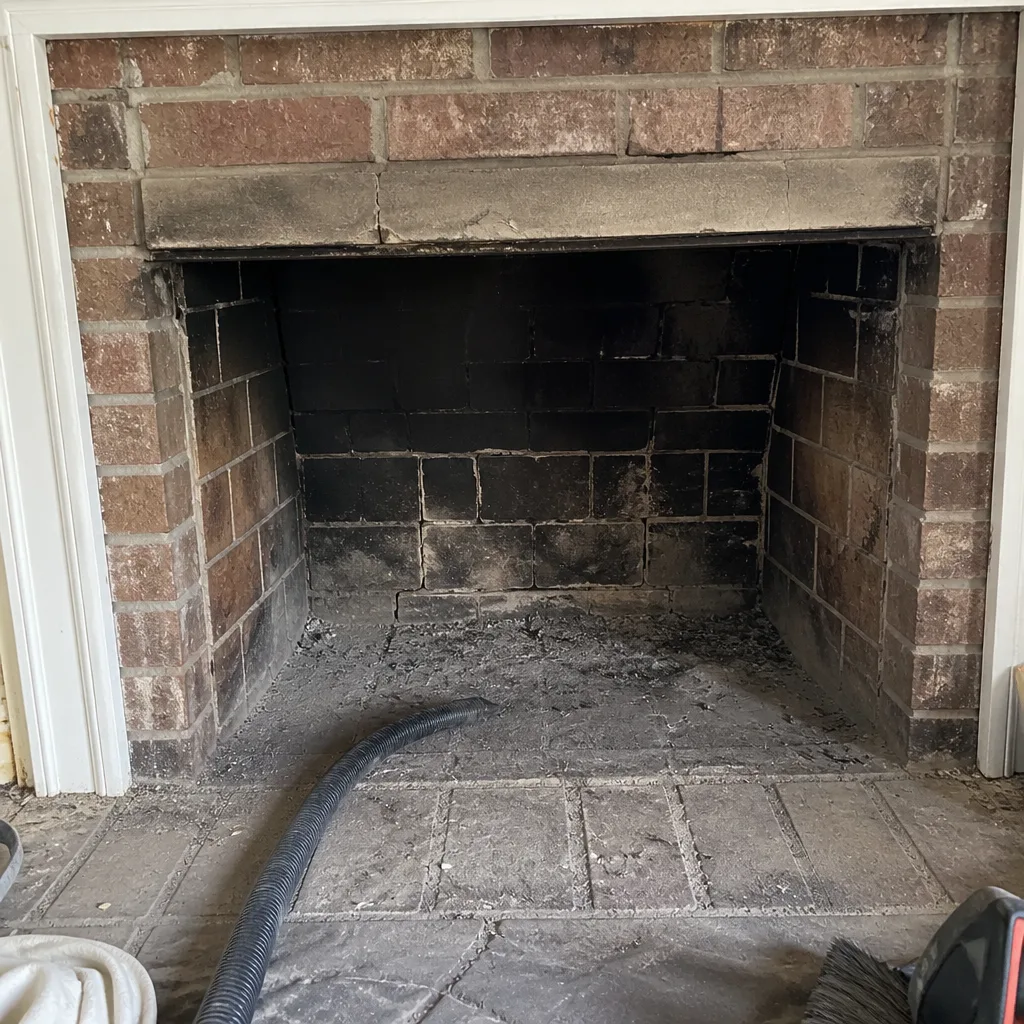 Before
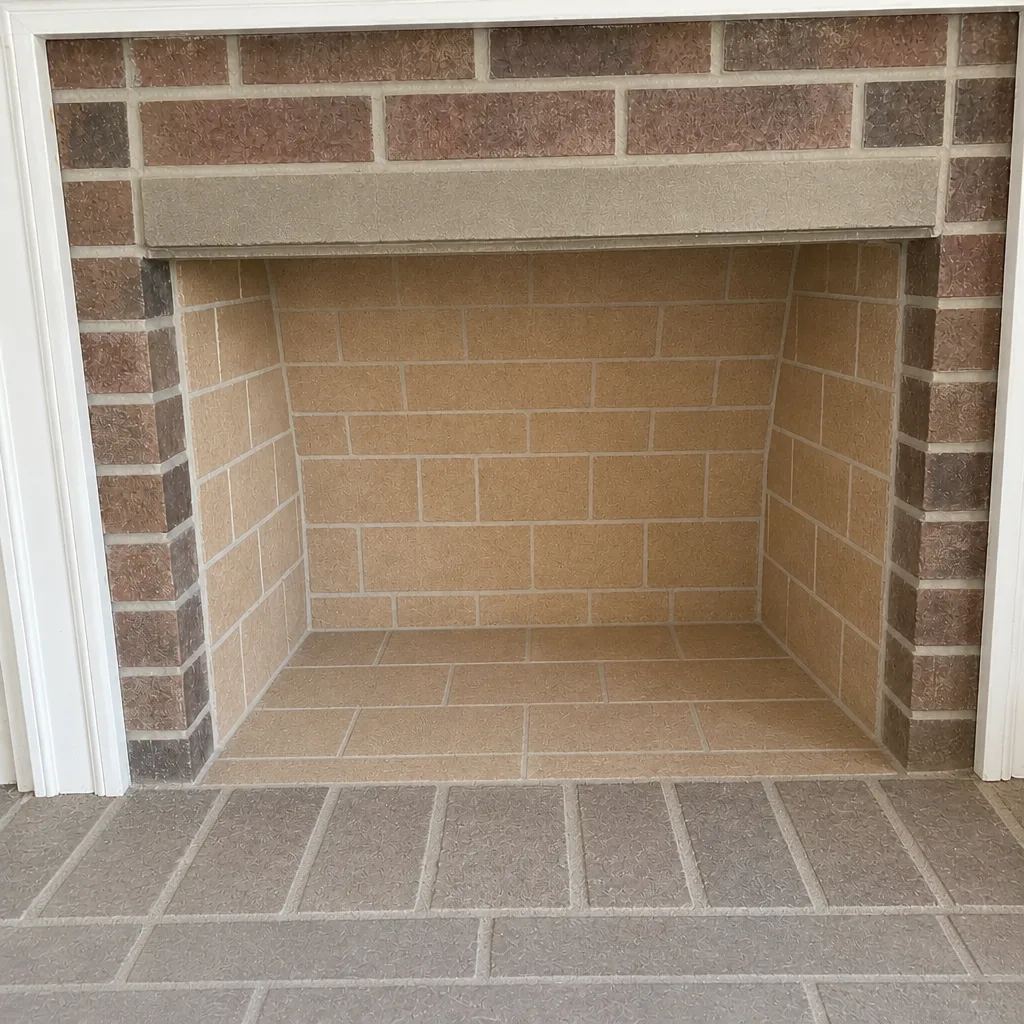 After
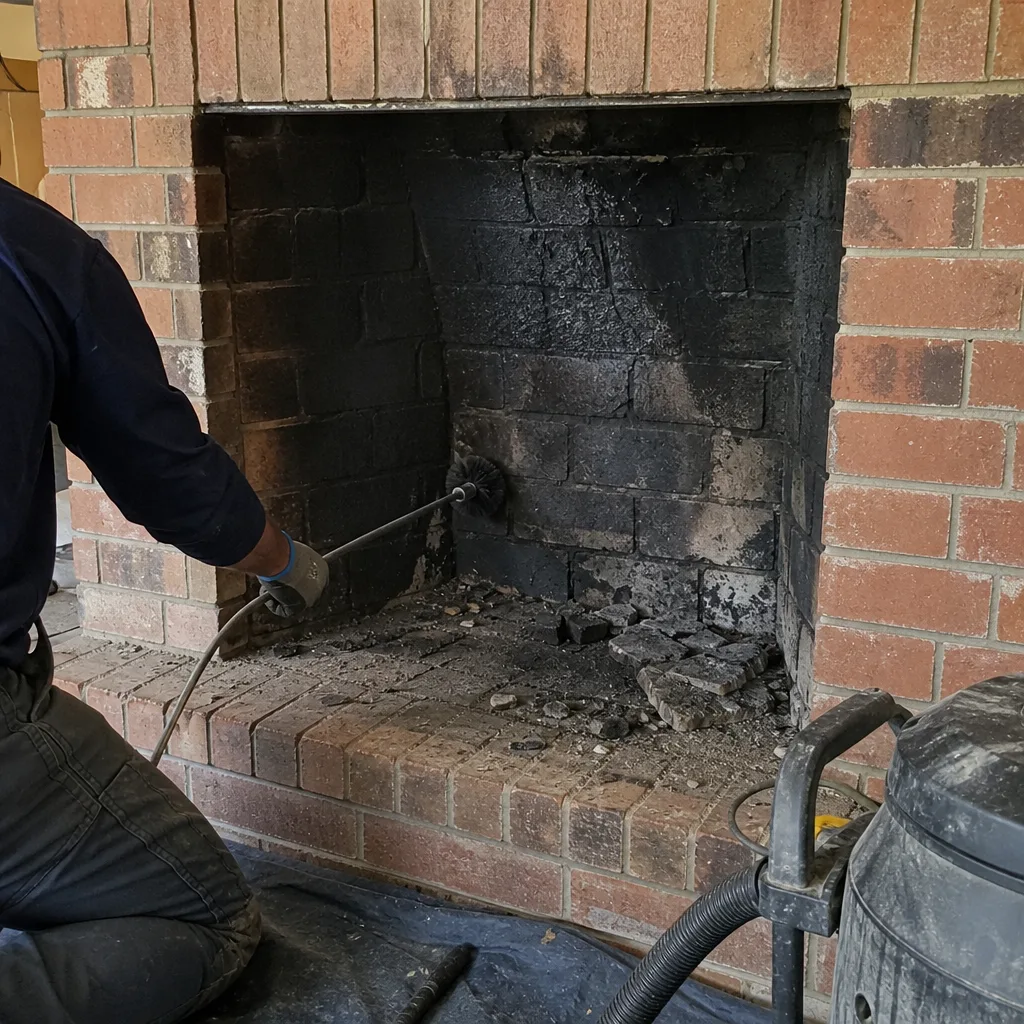 Before
 After
 Before
 After