
Last updated November 14, 2026
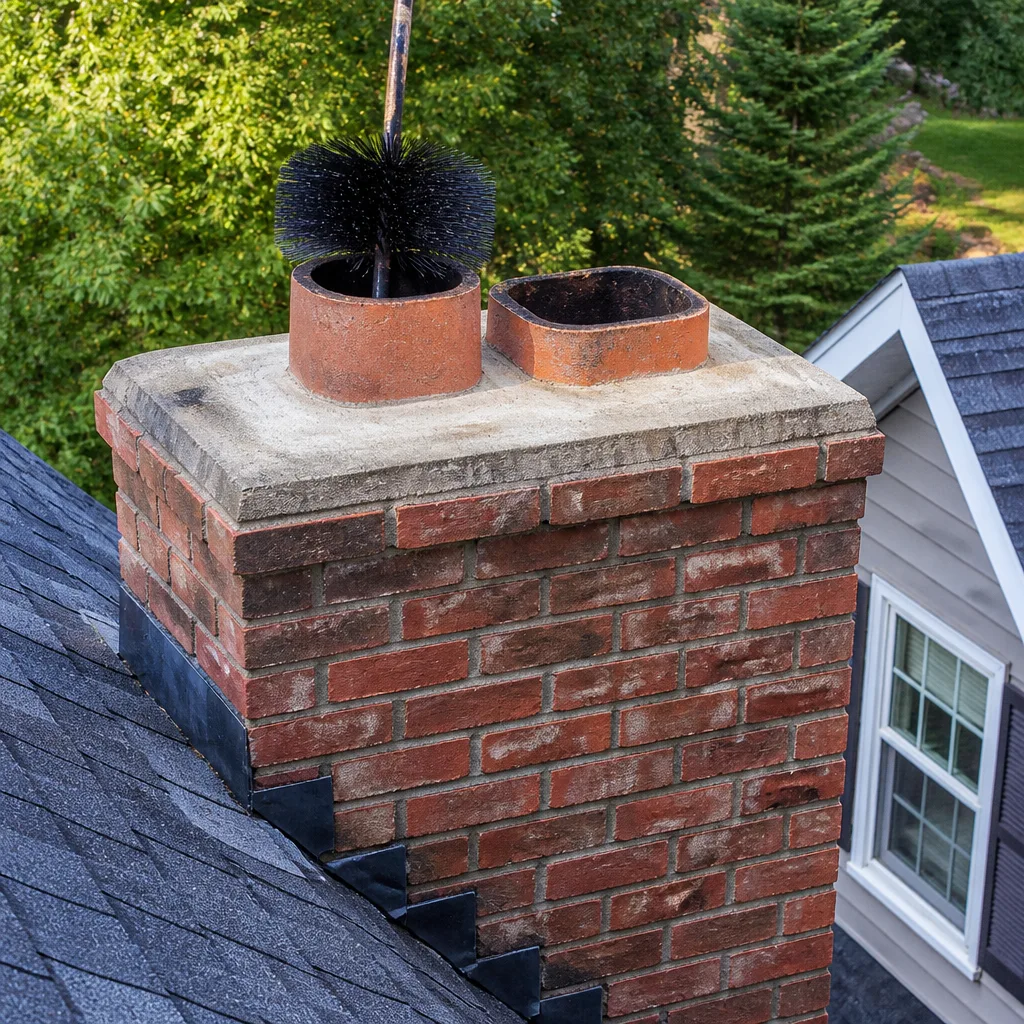 Sweep & inspection
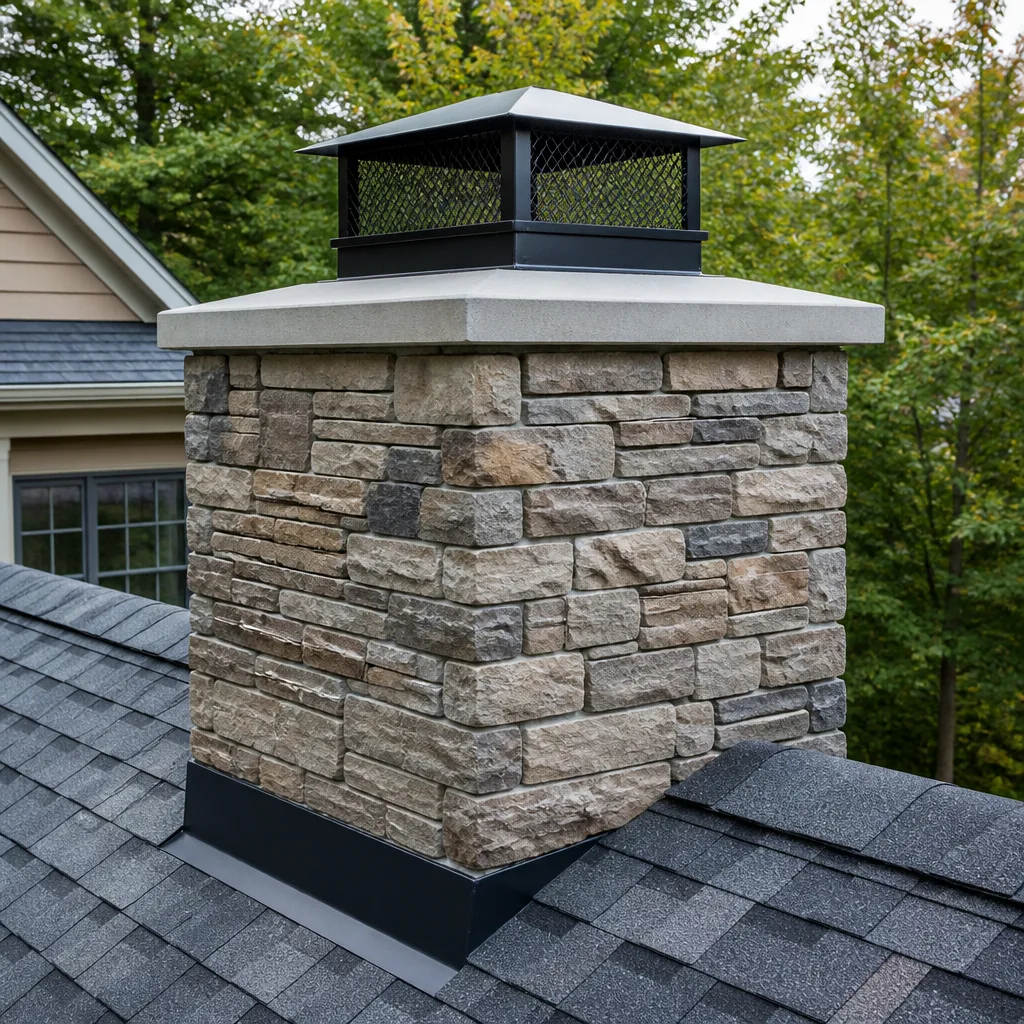 Caps & crowns
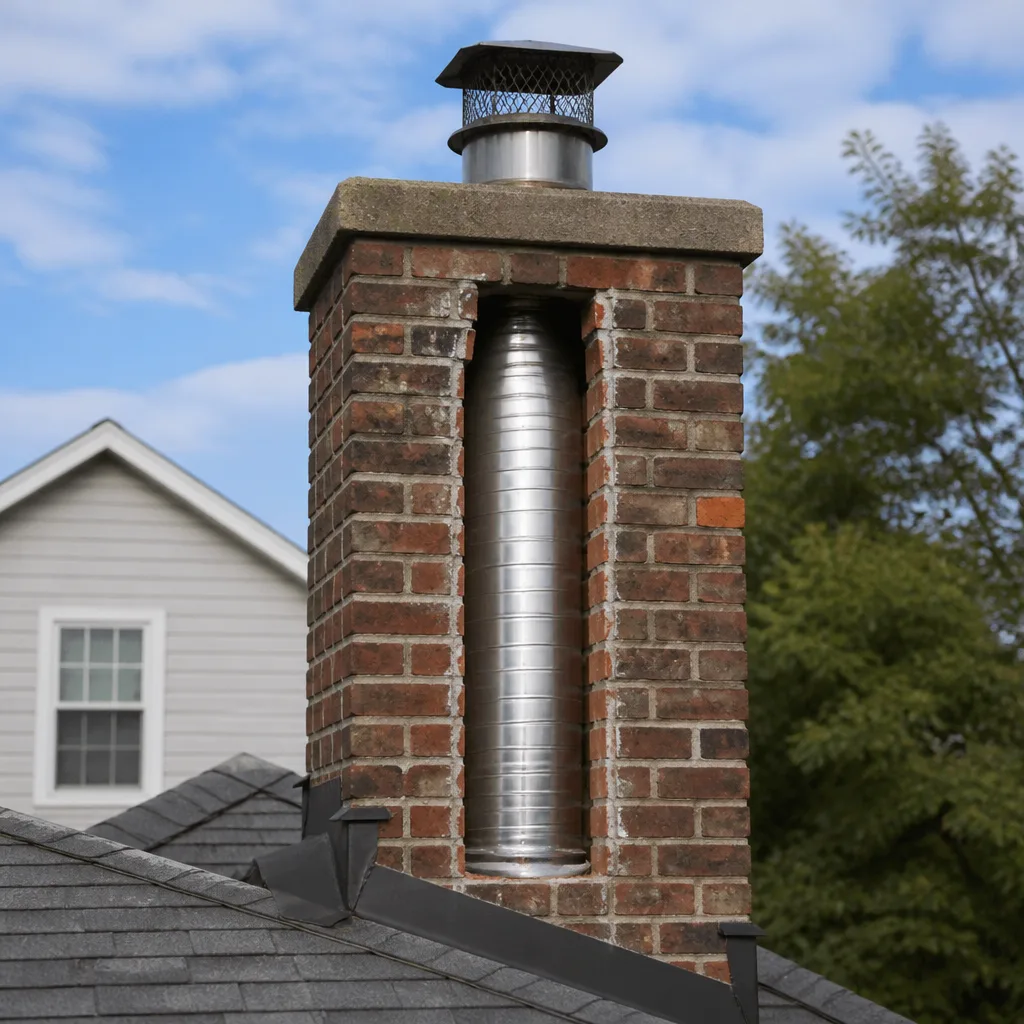 Flue relining
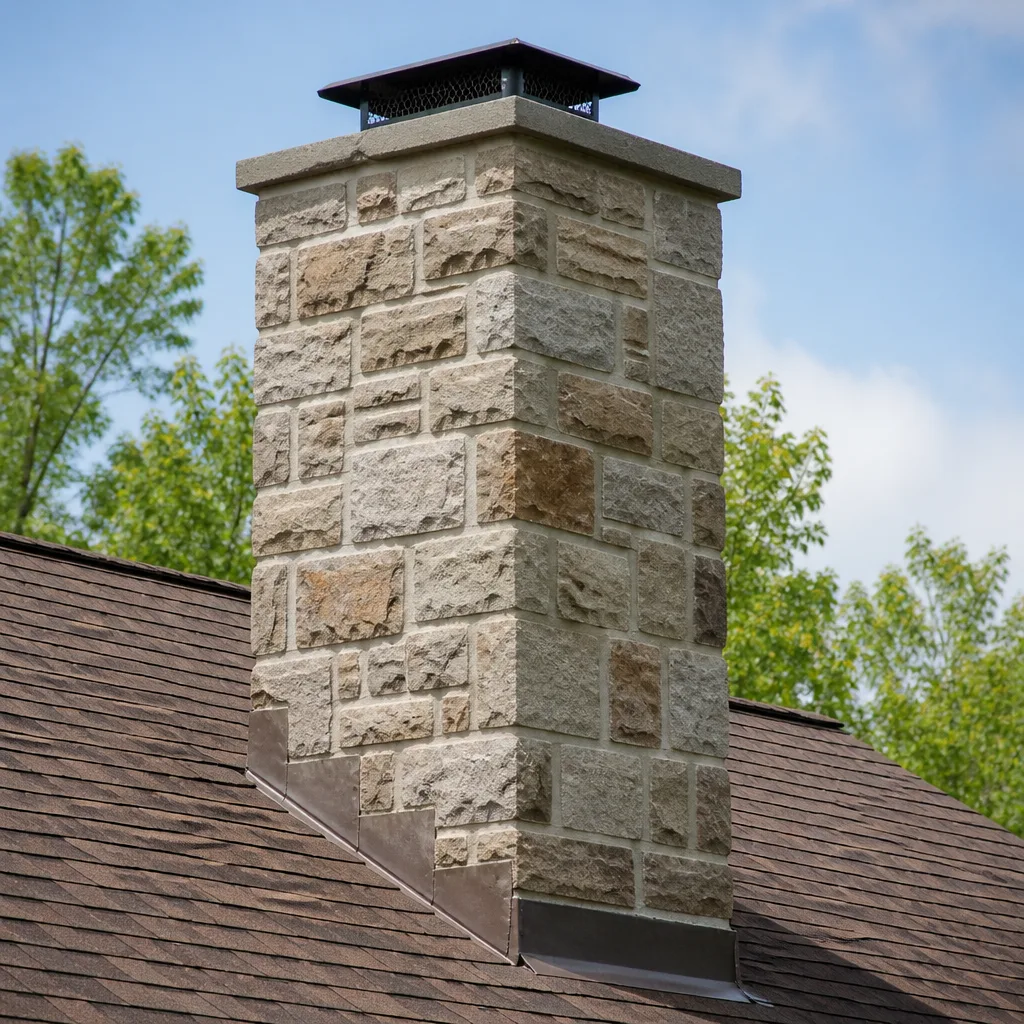 Masonry repair
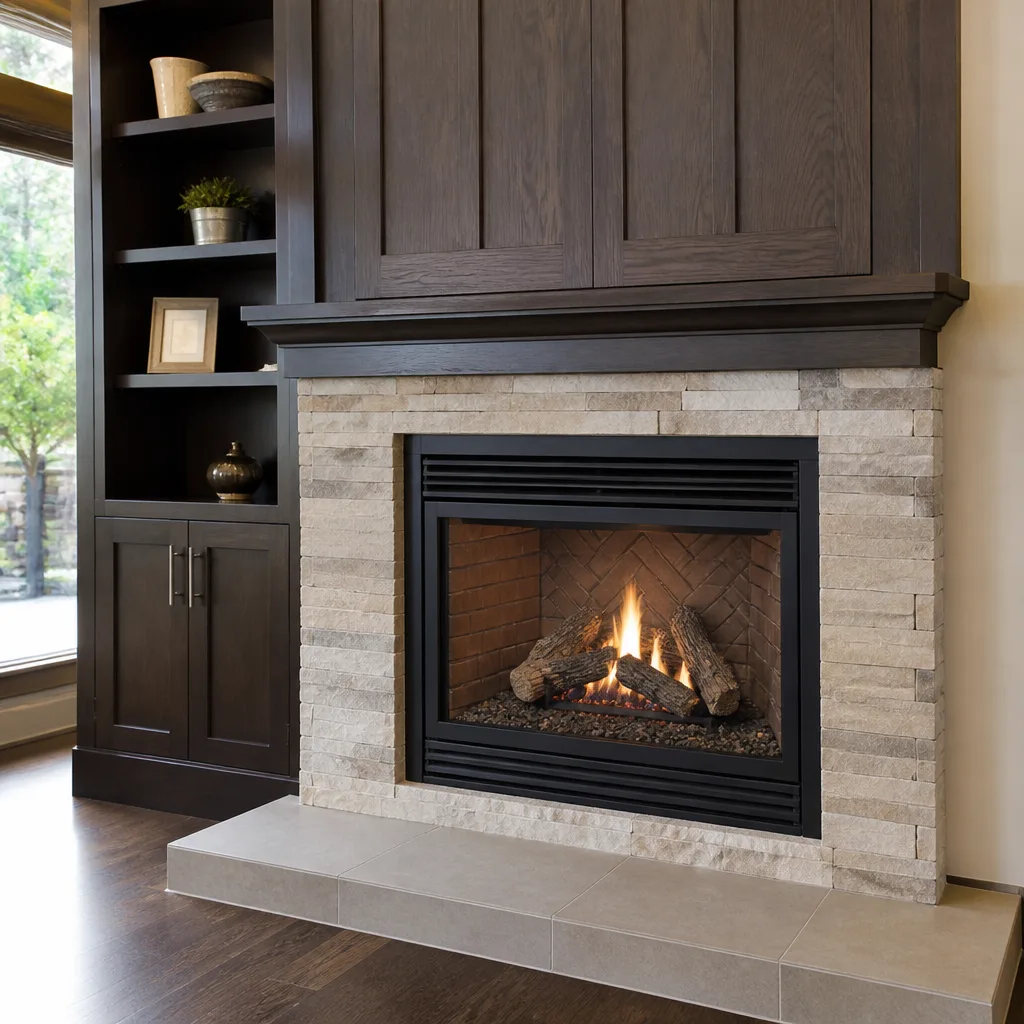 Gas fireplace service
Level 1 sweep and inspection to the NFPA 211 annual standard - flue, crown, cap, and flashing checked and photographed
Chimney sweep logs do not sweep chimneys. They loosen some creosote - which then falls where a brush and vacuum still have to collect it.
Chimney Sweep Troubleshooting in Garland: Common Problems and How to Fix Them
When smoke rolls out of the fireplace into the living room, most people assume the chimney needs a sweep. Sometimes that’s true. But a dirty flue is only one of six different causes behind a smoking fireplace, and a brush won’t correct the other five. The same goes for mystery odors, weak draft, and fires that burn lazy. In this guide we’ll walk you through the actual mechanics behind each symptom, the safe checks you can run yourself, and how to describe what you’re seeing so a technician knows what to look for before leaving the truck. You’ll also learn how Garland’s humid summers shape the wear patterns we run into and which problems can’t wait.
Quick Answer
Most chimney trouble in Garland traces to one of six causes: a blocked flue, backdraft from negative pressure, a stuck or damaged damper, creosote buildup, a cracked flue liner, or a flue sized wrong for the appliance. Diagnosing which one you have before you call keeps you from paying for a cleaning that won’t fix the problem. A few symptoms, like strong creosote odor in summer, aren’t cleaning issues at all; they’re airflow issues.
Styles & brands we work with
- Sweep & inspection
- Caps & crowns
- Flue relining
- Masonry repair
- Gas fireplace service
Table of Contents
- Why Is Smoke Coming Into the House?
- The Six Causes of a Smoking Fireplace, Mapped to Symptoms
- How Garland’s Climate Wears on a Chimney
- Two Safe Tests You Can Run Before Calling Anyone
- Why Creosote Odor in Summer Isn’t a Cleaning Problem
- Which Symptoms Mean Stop Using the Fireplace Today
- What Happens When You Call
- Frequently Asked Questions
Why Is Smoke Coming Into the House?
Smoke enters the room when the flue can’t pull air up and out faster than the fire produces it. That’s the whole principle. The firebox needs a steady supply of air, the flue needs a clear path, and the chimney needs to be warmer than the air outside so gases rise. Break any one of those and smoke finds the path of least resistance, which is your living room.
In our experience across Garland, the failure is usually mechanical rather than mysterious. A flue packed with creosote narrows the passage. A damper that won’t open fully chokes the draft. A house running exhaust fans and a tightly sealed modern envelope can actually pull harder than the chimney draws, pushing smoke backward. And a flue sized for a much larger firebox than the one you have lets gases slow down and cool before they exit.
Here’s the part most homeowners miss: the fix for each of those is completely different. Cleaning solves the creosote blockage. Nothing but a damper repair solves a stuck damper. And no amount of sweeping will fix a negative-pressure problem caused by a bath fan running upstairs.
What draft actually depends on
- Flue temperature – a cold flue smokes until it warms up. That’s why the first fire of the season is the worst one.
- Air supply – a fire needs make-up air. A sealed house starves it.
- Clear flue path – creosote, nests, or a collapsed liner block the route.
- Correct sizing – too large a flue cools gases before they exit.
- Chimney height – too short a stack can’t overcome nearby roof or tree turbulence.
The trick to diagnosing smoke is watching when it happens. Smoke on a cold start that clears once the fire is hot points to temperature. Smoke that starts the moment the fire is lit and never clears points to blockage. Smoke only when the clothes dryer or a bathroom fan runs points to pressure.
The Six Causes of a Smoking Fireplace, Mapped to Symptoms
Here’s the grid we use mentally when a homeowner describes a smoking fireplace over the phone. Match the symptom and the likely cause jumps out. This is the single most useful troubleshooting tool for a problem that’s often misdiagnosed as “just needs a sweep.”
- Backdraft from negative pressure. Symptom: smoke appears only when other exhaust fans, the dryer, or kitchen hood run. Cause: the house pulls air down the flue instead of up. Fix: introduce make-up air and check the pressure balance; a chimney cap and pro-level draft assessment help.
- Blocked flue. Symptom: smoke from the first spark onward, and it never improves. Cause: heavy creosote, a bird nest, or a collapsed liner section. Fix: a professional chimney sweep and inspection to clear and evaluate the obstruction.
- Stuck or damaged damper. Symptom: fire smokes and burns poorly even with an open flue; you may not feel the damper moving smoothly. Cause: a rusted, warped, or disconnected damper plate sitting partly closed. Fix: damper repair or replacement.
- Cold-flue backdraft. Symptom: smoke only on the first fire or after a long idle period, then it clears. Cause: cold air sitting in the flue. Fix: pre-warm the flue with a rolled newspaper torch before lighting (a safe, contained procedure), and improve the flue’s insulation over the long term.
- Cracked or damaged liner. Symptom: weak draft, smoke, and sometimes a smell of creosote or heat in the attic or wall cavity. Cause: a cracked clay tile or a broken metal liner leaking air. Fix: relining with a professional liner system such as DuraFlex.
- Flue sized wrong for the appliance. Symptom: a lazy fire, smoke spillage, and constant struggle to get a good burn. Cause: an oversized flue cooling gases, often installed for a different appliance. Fix: relining to the correct diameter for the firebox or insert.
Two of those six (blockage and creosote) are solved by cleaning. The other four are repair problems. That’s why we say we carry the parts, not just the brushes, because a sweep-only company has to refer you elsewhere for half the list.
How Garland’s Climate Wears on a Chimney
Garland’s weather does two things to chimney systems that drier climates don’t. First, humid summers push moisture into brick and mortar, then cool winters let that moisture work its way out in slow, repeated cycles. Second, the swings in temperature that show up here, even without hard freezes, stress mortar joints and crowns over time. The result is premature spalling, where the face of a brick flakes away, and crumbling mortar that widens cracks and lets water reach the flue.
Liner condensation is the other quiet problem. On a hot, humid day, a cold flue can sweat. Over a season, that moisture combines with creosote residue to form a corrosive film that eats at the liner surface. A liner that would last decades in a dry climate can show damage faster here. This is why we recommend a visual inspection of the liner every year, not just a sweep: the liner’s condition is the single most important safety factor, and humidity accelerates its wear.
What spalling and liner wear look like
- Brick faces flaking or crumbling on the chimney’s exterior above the roofline.
- White, chalky deposits (efflorescence) on the brick, a sign of moisture moving through masonry.
- A crown with visible cracks where water can pool and enter.
- Flue tiles with gaps, cracks, or a rough interior surface you can’t see from below.
- Rust streaks or a metallic smell from a metal liner that’s deteriorating.
Homeowners in older Garland neighborhoods, especially those who bought recently in homes built decades ago, often inherit a chimney that’s been quietly absorbing moisture for years. A professional inspection with a camera catches what a flashlight alone can’t. Materials like HeatShield resurfacing exist specifically to restore a damaged flue interior rather than replace the whole system, which is one reason a repair-capable company matters.
Two Safe Tests You Can Run Before Calling Anyone
You can narrow down your problem in a few minutes with no tools and no risk, as long as you do it with the fire out and the chimney cool. These two checks give you concrete information to pass on, which shortens the diagnostic and tells you whether you’re dealing with air movement, blockage, or a damper issue.
1. The damper test
- Make sure the fire is completely out and the fireplace has cooled.
- Reach up or use the damper handle and open it fully. It should move without forcing.
- Look up through the open damper with a flashlight. A clear metal plate in the open position and daylight or a dark flue beyond is normal; a plate stuck at an angle is a problem.
- If the damper won’t fully open or won’t stay open, write down how it behaves. That’s a repair signal, not a cleaning one.
2. The draft test
- With everything closed up and the fire out, hold a lit incense stick or a small piece of smoldering paper near the open damper.
- Watch the smoke. It should be drawn steadily upward into the flue.
- If the smoke drifts back into the room, or floats rather than rising, you have either a blockage or a pressure problem.
- Now turn on a bathroom fan or the clothes dryer and repeat. If the draft gets worse, that tells you pressure is part of the issue.
Do not attempt to open the firebox with the fire burning for these tests, and never attempt to brush a flue yourself, since creosote can be highly combustible and a wrong brush can damage the liner. What these tests do is give you evidence. With that, you can describe your symptom precisely, and no technician can convince you that a full cleaning will solve a problem that isn’t a cleaning problem.
Why Creosote Odor in Summer Isn’t a Cleaning Problem
That sharp, smoky smell that creeps out of the fireplace on a hot, humid Garland afternoon is not a sign that the chimney is dirtier than it was in winter. It’s a sign that the flue is pulling air down instead of up. When the outside air is warm and the flue is cooler, and the house is sealed tight with the air conditioner running, the pressure balance reverses. Air leaks down the chimney and carries creosote fumes into the room.
This matters because the instinct is to call for a sweep, and a sweep alone won’t stop it. The smell will come right back. What actually fixes summer creosote odor is addressing the airflow and the moisture:
- A properly fitted chimney cap that keeps rain and downdraft out.
- Checking the flue for a blocked path, because a partial blockage makes the reverse flow worse.
- Repairing or sealing a damaged liner, which is often the real source of the persistent odor.
- Reducing negative pressure in the house by leaving a window cracked when the fan runs.
In our experience, a chimney that smells in summer usually has a worn or cracked liner, or a missing cap. Those are repair items, not cleaning items. Calling a repair-capable company means the tech who diagnoses the odor can also install a cap or a liner, rather than leaving you to find someone else. For homeowners in Garland who use their fireplaces heavily, this is a common reason to combine a dryer vent cleaning with the chimney visit: both venting systems reward attention, and both are fire-safety items best handled before the fall burning season starts.
Which Symptoms Mean Stop Using the Fireplace Today
Some chimney problems can wait for a scheduled appointment. Others mean you should not light another fire until a professional has looked at the system. The distinction comes down to whether the symptom points at a structural failure or a dirty but intact flue.
Stop burning and call now
- Smoke or a haze entering the room that doesn’t clear once the fire is hot.
- A smell of combustion gases or a headache and dizziness while the fire burns.
- Any suspicion of a cracked liner or a leak into the attic or wall cavity.
- Visible damage to the chimney’s exterior brick or a shifting or collapsing crown.
- Lighting a fire and feeling no draft at all.
Can usually wait for a scheduled appointment
- A mild smoky smell on summer days with no fire lit.
- A damper that needs a little effort to move but still opens.
- Lazy draft on a cold start that clears once the fire warms.
- A routine annual sweep before the burning season.
Carbon monoxide is the reason the stop list is serious. A blocked or damaged flue can let combustion gases back into the house, and CO has no color or smell. If your CO alarm sounds or you feel symptoms while a fire is burning, get everyone outside and call for help. When in doubt, don’t light the fire; a chimney that can’t vent safely is a hazard, and no scheduled appointment is worth a risk you can avoid.
What Happens When You Call
A good diagnostic call starts with your symptom, not a sales pitch. When you describe smoke, odor, or a weak draft, the technician should ask when it happens, what makes it worse, and what you’ve already checked. That’s the information your safe tests produced, and it’s what sets the visit up to find the cause on the first trip.
At Dayspring Chimney Sweep, we handle chimney sweeping, dryer vent cleaning, and chimney repair under one roof, so a diagnosis that turns into a repair doesn’t get handed off to a subcontractor you’ve never met. We work with professional-trade materials like HeatShield for flue resurfacing, Gelco and Olympia Chimney components, and Famco products, the same brands certified restoration contractors use rather than big-box substitutions. We’ve been serving Garland since 2016, and the approach has stayed the same: figure out what’s actually wrong, explain it in plain terms, and only recommend the work the system needs.
You won’t hear a scare pitch. If your problem turns out to be a simple blockage that a sweep resolves, that’s what we’ll tell you. If it’s a cracked liner, we’ll show you the camera evidence and explain the options. Call (855) 974-6812. We answer 24/7. Fast dispatch from 7am to 7pm, Sunday through Friday. If you call outside dispatch hours, your call gets booked into the next opening. Estimates are free.
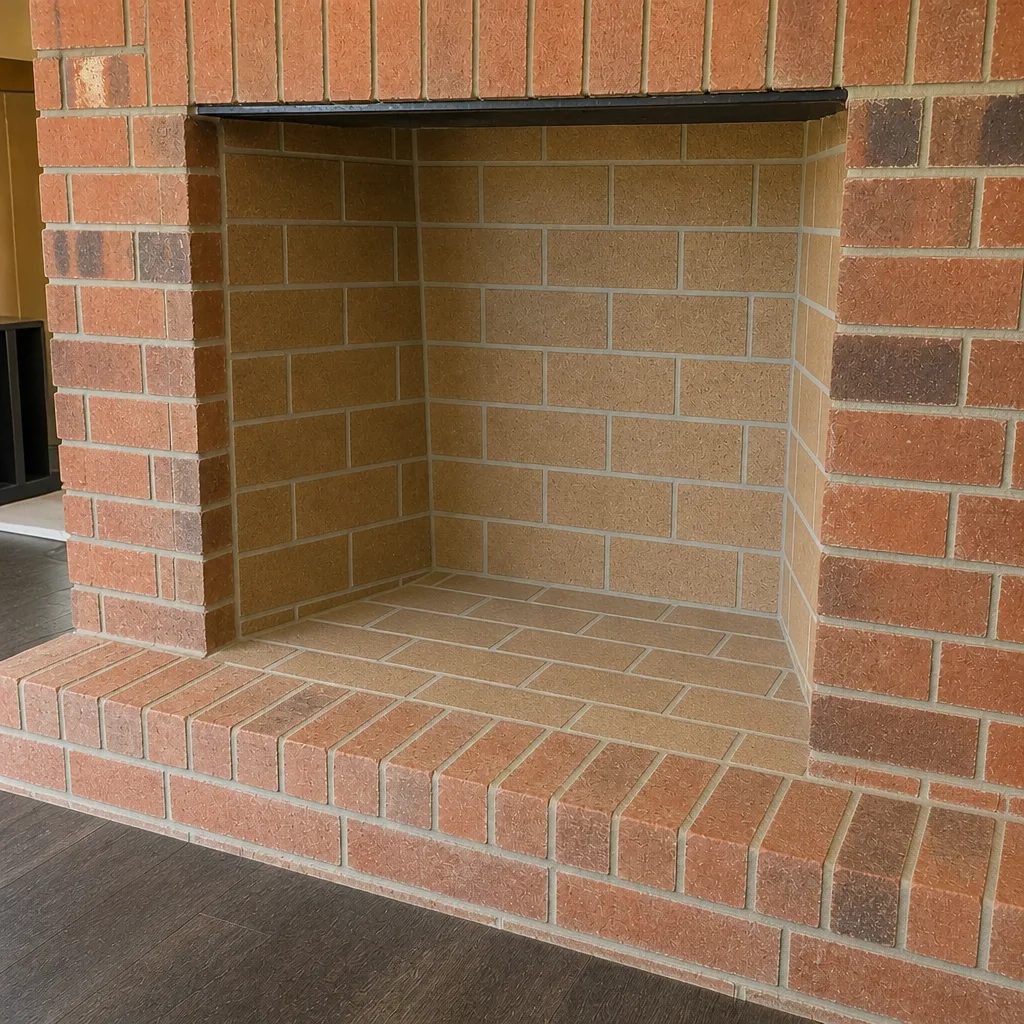
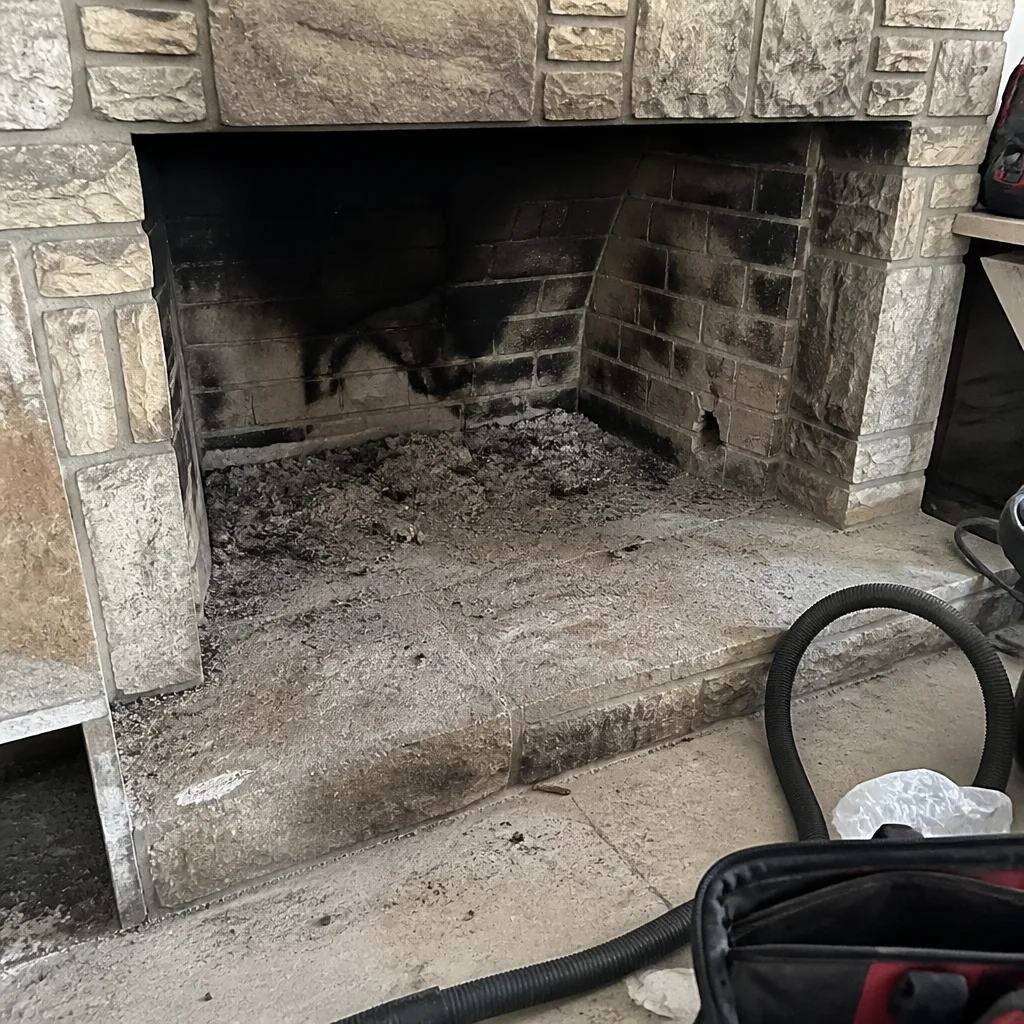
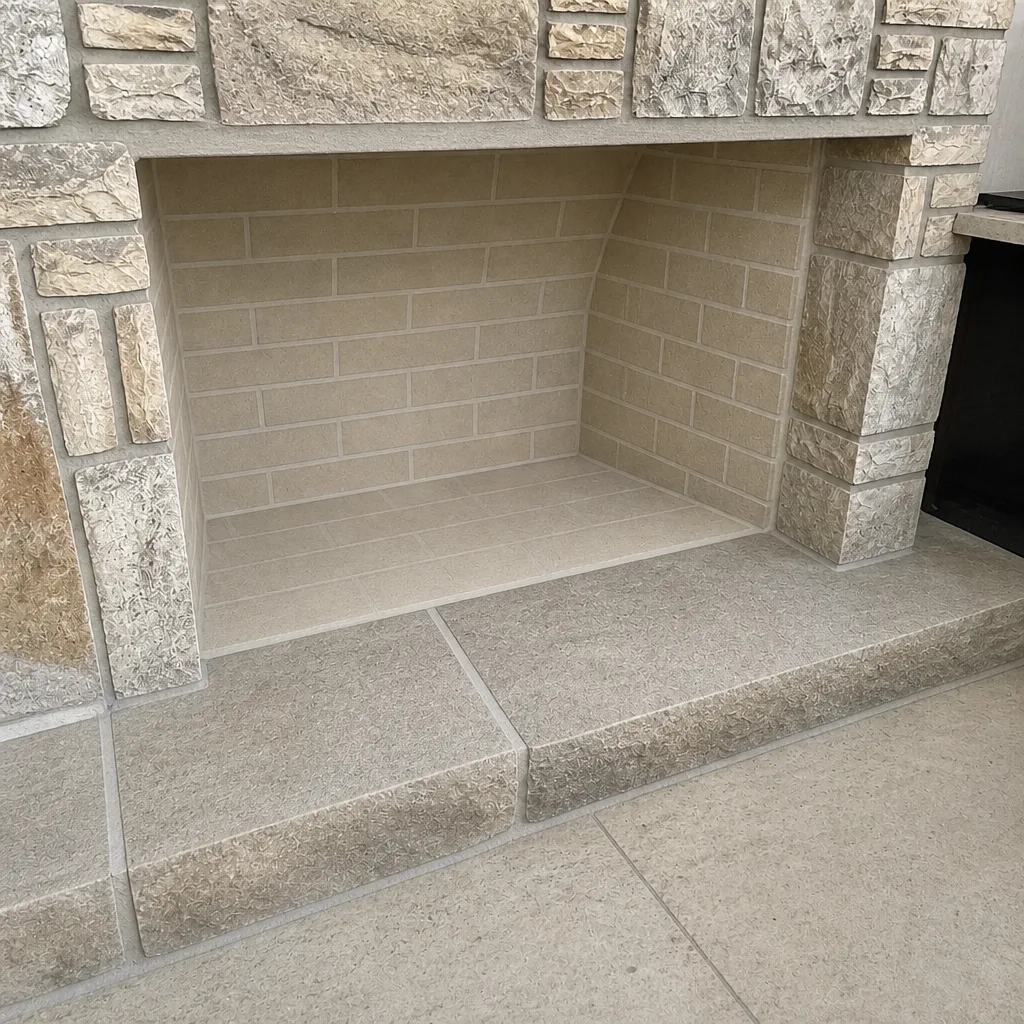
See the difference
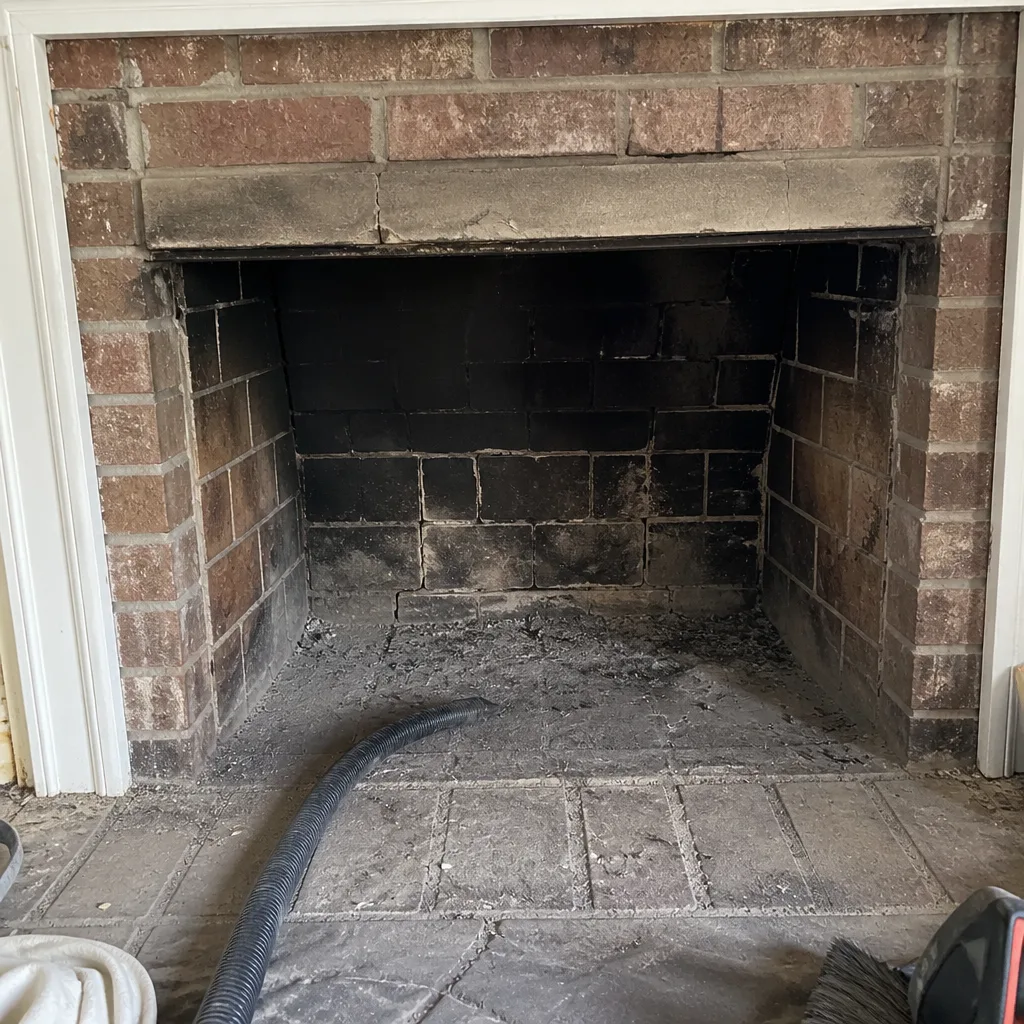 Before
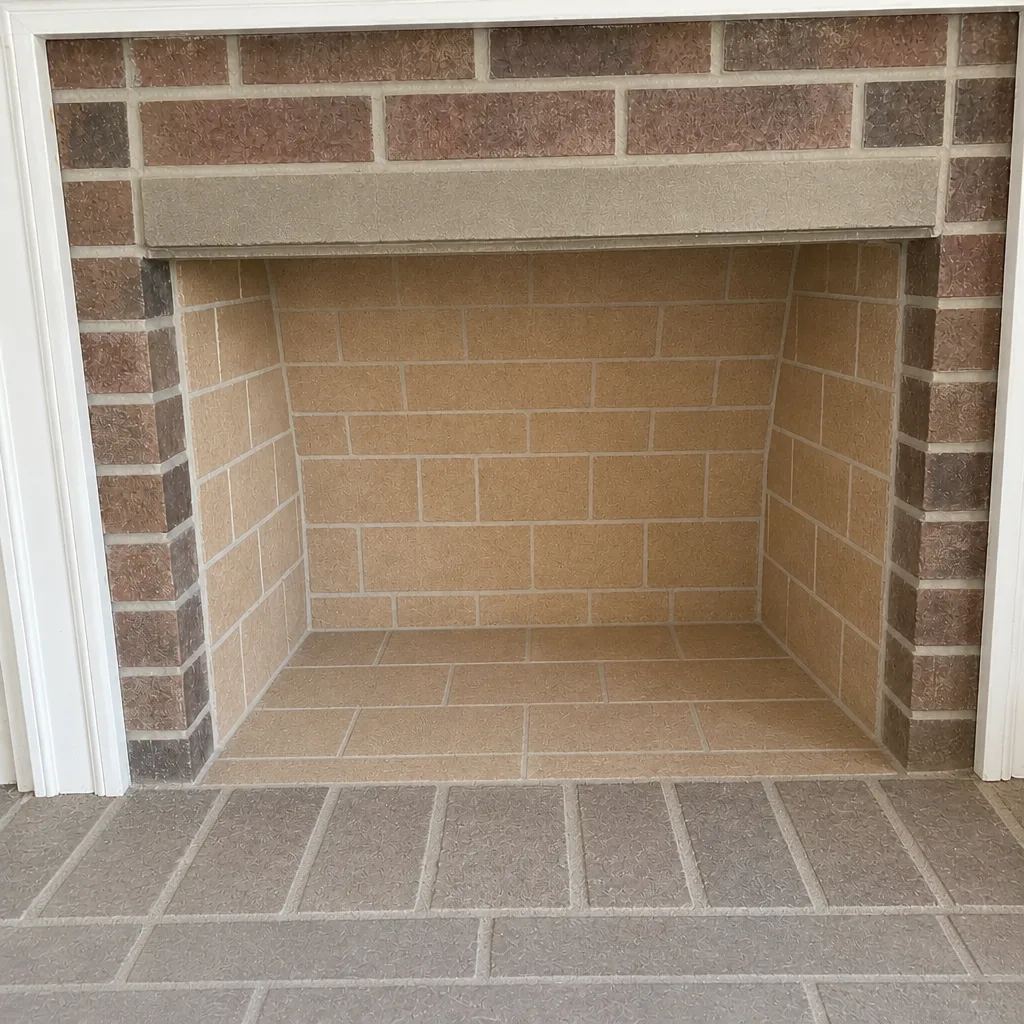 After
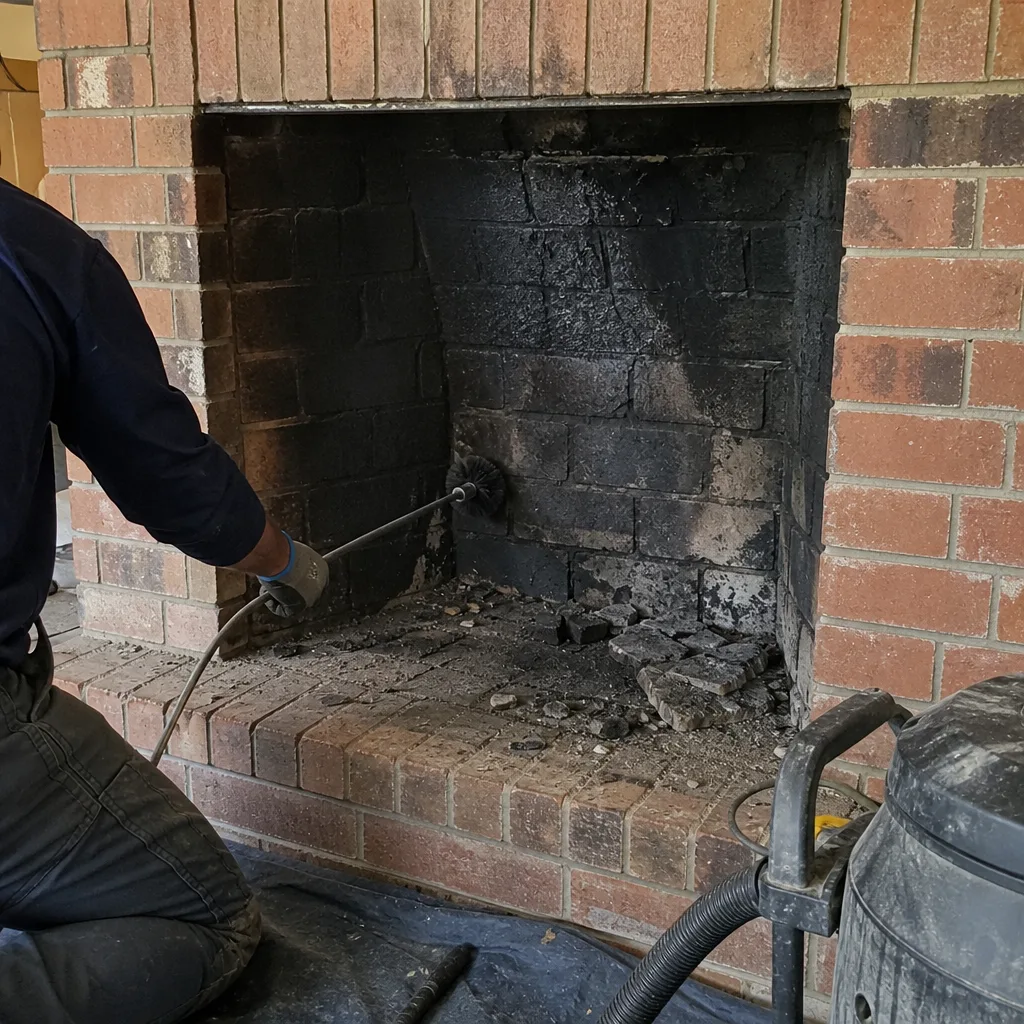 Before
 After
 Before
 After
Common Mistakes to Avoid
- Assuming every smoke problem is a dirty flue. As the grid above shows, only one of six causes is solved by cleaning. Burning money on a sweep that doesn’t fix the smoke leaves you back at the phone.
- Burning wet or unseasoned wood. Green wood in humid Garland air produces more creosote and more odor. Dry, seasoned firewood burns cleaner and reduces the buildup that causes blockages.
- Ignoring summer odor as “just a chimney smell.” That smell points at a liner or ventilation issue. Treating it as a cleaning problem wastes a service call.
- Skipping the annual inspection because the fire burned fine last year. Spalling mortar and liner wear develop slowly and invisibly. A visual inspection catches them before they become a repair you can’t schedule around.
- Sealing the house tight and expecting the chimney to draw. Modern tight envelopes and running exhaust fans starve the fire of make-up air. If you run the dryer with the fire going, you can pull smoke into the room.
- Hiring a sweep who only cleans and can’t repair. When a sweep finds a damaged liner, a cleaning-only company logs it on a report and refers you out. You want the company that spots the problem to be able to fix it.
- Forgetting the dryer vent. Lint buildup in the dryer exhaust is a fire hazard on par with creosote, and it gets neglected because it’s out of sight. In humid weather, damp lint packs even tighter against the duct walls.
When to Call a Professional
Call a professional if you saw smoke enter the room and it didn’t clear, if your CO alarm ever sounded, or if you suspect a cracked liner. Call if you inherited a chimney in an older Garland home and don’t know its service history. Call before the burning season if it’s been a year or more since the last sweep, or if you’ve never had a dryer vent cleaned. Damper repairs, liner replacement, and flue resurfacing are not jobs for a homeowner with a brush; they’re ventilation and combustion-safety work. Dayspring Chimney Sweep offers free estimates in Garland, call (855) 974-6812. We answer 24/7, with fast dispatch from 7am to 7pm, Sunday through Friday.
Frequently Asked Questions
Smoke enters the room because the flue can’t pull air up faster than the fire produces it, which happens for six different reasons: a blocked flue, negative pressure from exhaust fans, a stuck damper, a cold flue, a cracked liner, or a flue sized wrong for the appliance. Run the damper and draft tests first to narrow it down. If smoke doesn’t clear once the fire is hot, stop using the fireplace and call (855) 974-6812 for an exact diagnosis, estimates are free.
We set the price per job by a written estimate after we’ve seen the system, so the number is based on what your chimney actually needs rather than a flat rate pulled from a coupon page. That also means you’re not paying for a sweep that won’t solve a repair problem. Call (855) 974-6812 for a free estimate.
Only if there’s evidence of damage, and you should be able to see that evidence yourself. A cracked or deteriorating liner lets combustion gases and heat escape into the structure, so it does need attention, but we recommend relining only when a camera inspection shows damage and not before. Sometimes HeatShield resurfacing restores the flue interior without a full liner replacement. Ask to see the pictures. Call (855) 974-6812 to schedule an inspection.
Once a year if you burn regularly, which is the standard most chimney professionals follow, and a visual inspection even in years you burn less. Garland’s humid summers make liner wear faster than in dry climates, so the yearly check catches moisture damage early. Call (855) 974-6812 to book yours before the burning season.
Because the airflow reverses: with the house sealed and the air conditioner running, warm outside air and air pressure push down the flue and carry creosote odor inside. It’s an airflow and ventilation issue, not a cleaning issue. A proper cap, a check for blockages, and liner repair are what actually solve it. Call (855) 974-6812 and we’ll find the cause.
Creosote builds up in the flue and can ignite, which is the cause of most chimney fires, and unnoticed liner or mortar damage can let combustion gases into the house. Both hazards develop quietly, which is why the yearly check matters more than it seems. It’s a safety check, not a cleaning chore. Call (855) 974-6812 for a free estimate.
The Bottom Line
Most chimney problems have a specific mechanical cause, and you can narrow down which one before you call anyone. Smoke that never clears points to a blockage. Smoke that worsens with exhaust fans points to pressure. Smoke on a cold start that fades points to temperature. A damper that won’t move is a repair, not a cleaning. Garland’s humid climate accelerates mortar and liner wear, so the annual inspection matters more here, not less. If you stop burning when the symptom is structural and describe your problem accurately, you can avoid paying for work you don’t need and get the right fix on the first visit. We’re here when you need a hand.
Written by the team at Dayspring Chimney Sweep, serving Garland since 2016.